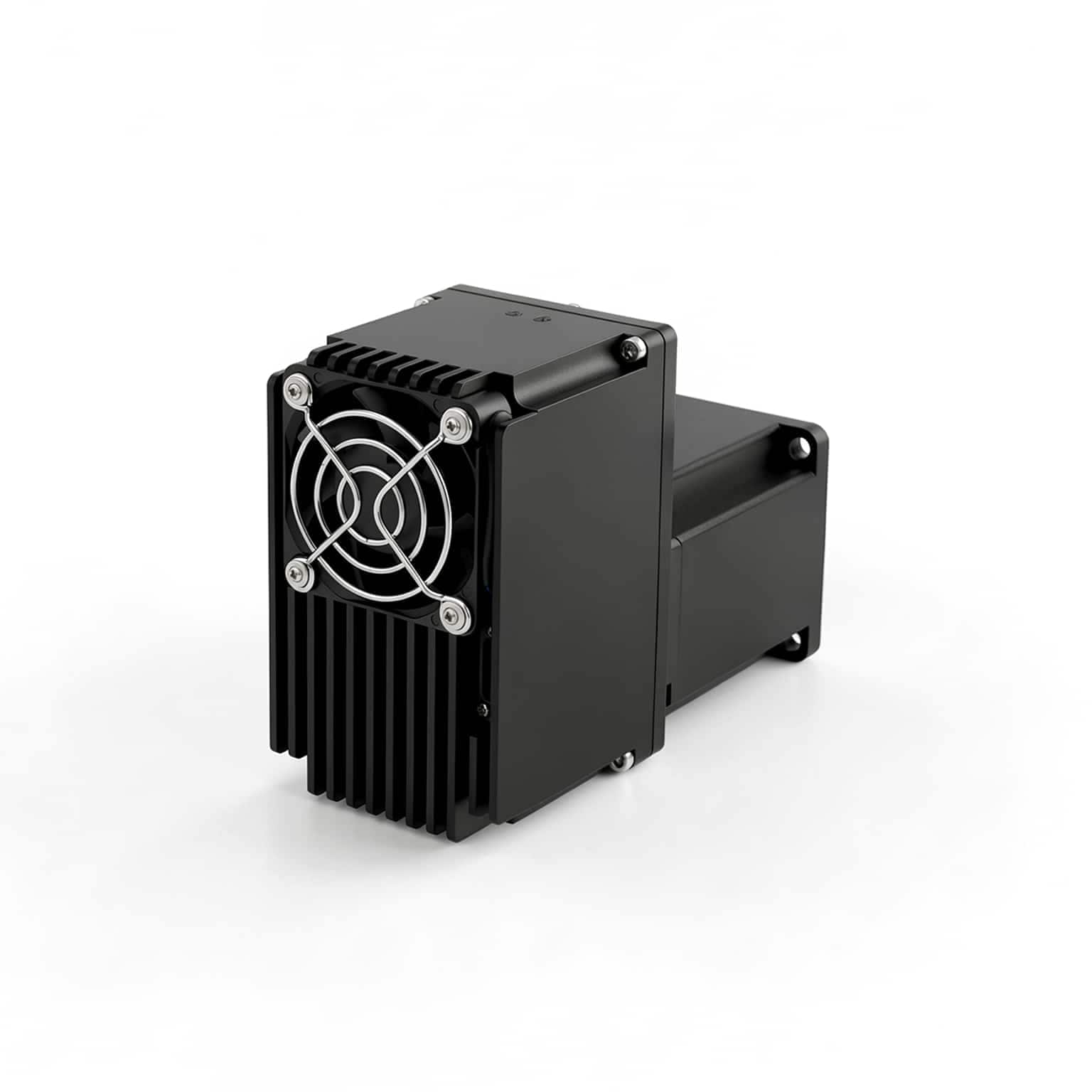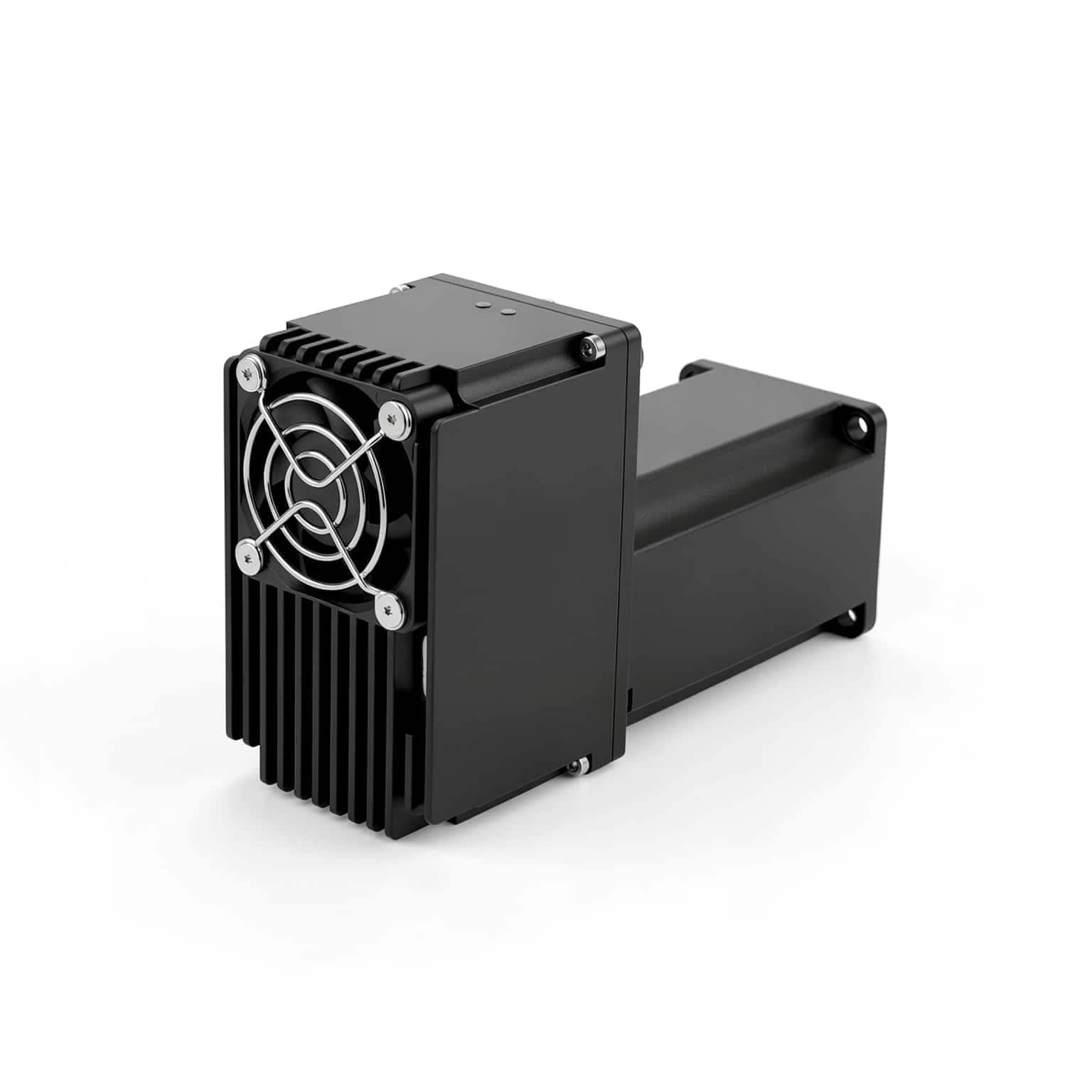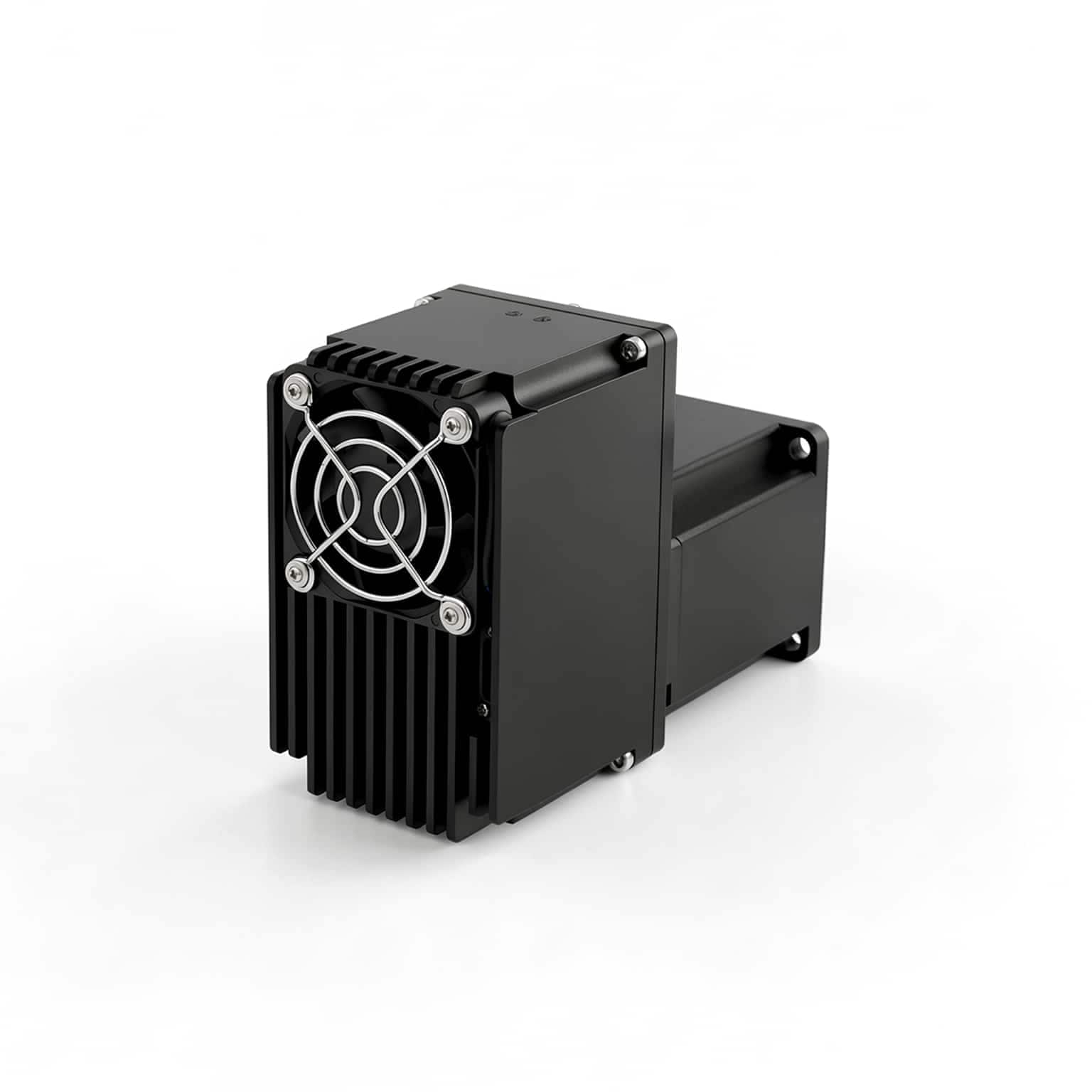
NiMotion Releases the PAMP60 Integrated Medium-Voltage Servo Motor: Replacing PAM, with Single-turn / Multi-turn / STO / Fan Options
PAMP60 is NiMotion's upgrade replacement for the PAM integrated servo — a 220VAC medium-voltage platform in a 60mm frame and 400W tier, with IP65 protection, three buses (EtherCAT / CANopen / RS485), and the full CiA402 mode set. The real change is that single-turn/multi-turn encoders, STO, cooling fans, and brakes are now selectable feature codes in the model number — turning "one spec, one motor" into "configure by duty."
1. Introduction: what is PAMP60
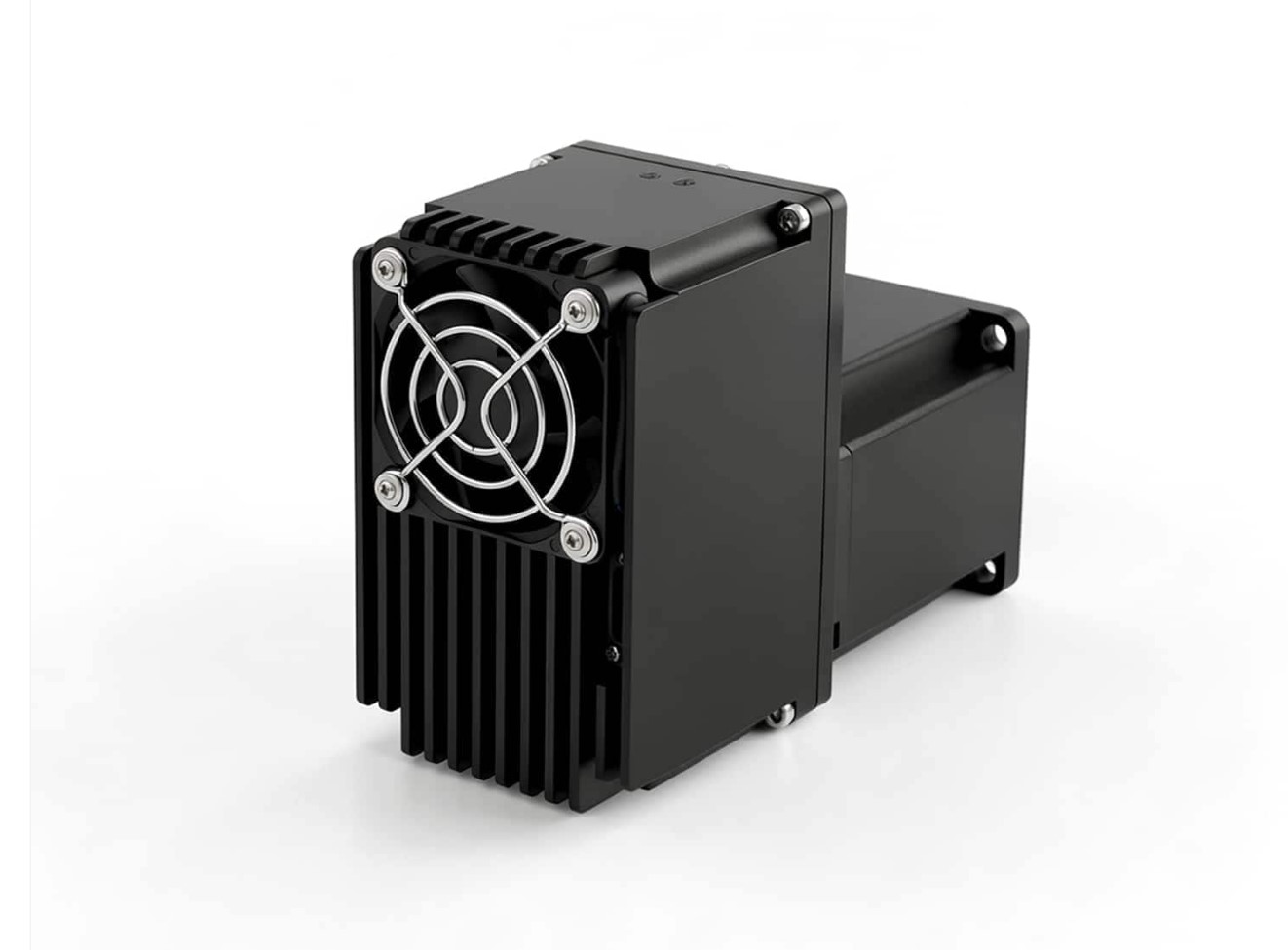
PAMP60 is NiMotion's (NiMotion) integrated medium-voltage AC servo motor, combining the motor body, drive, encoder, controller, and I/O interfaces in one housing. It runs on 200–240VAC (220V rated) — a medium-voltage platform fed directly from the industrial cabinet, complementing the 24/48V low-voltage integrated servo line.
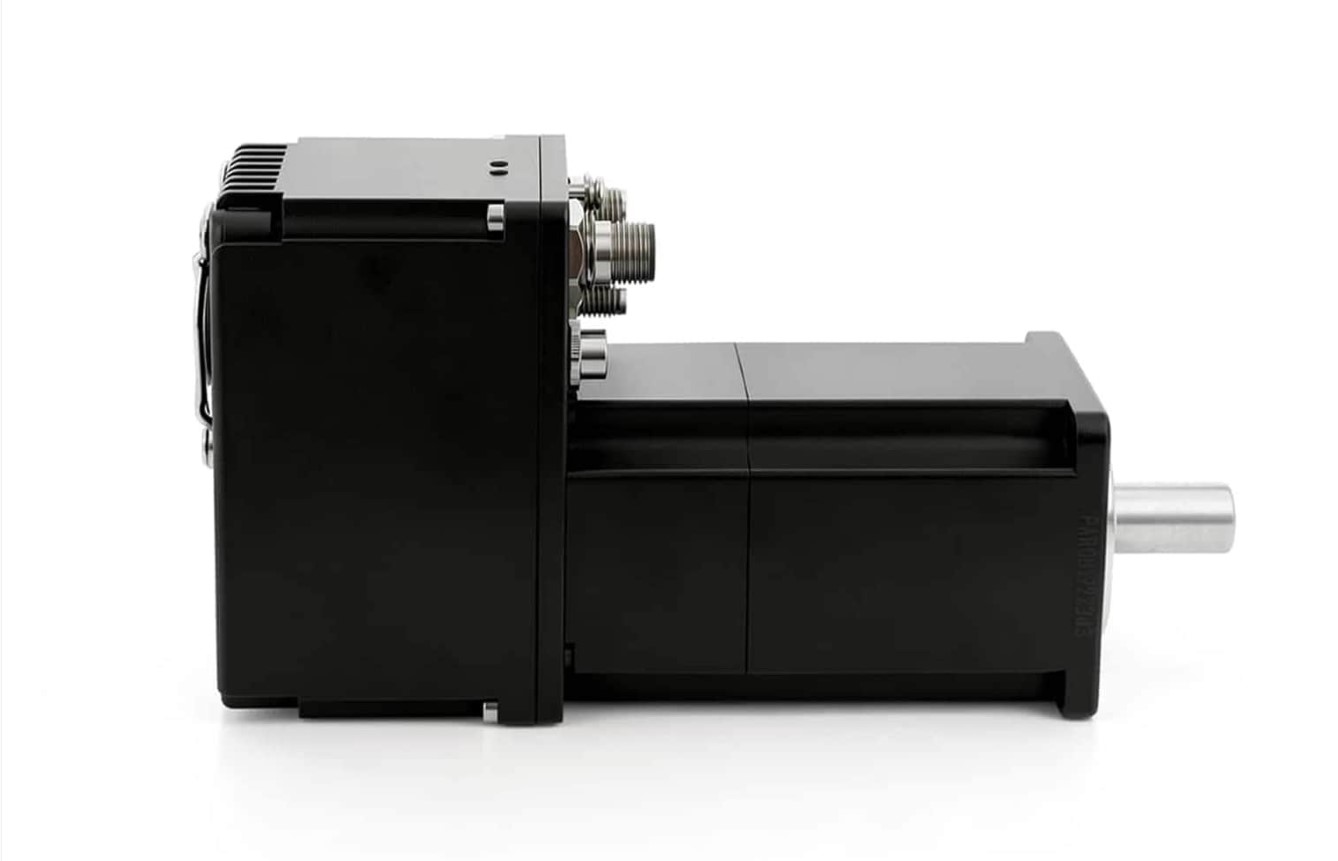
Current documentation centers on the PAMP60 400W tier: 3000rpm rated speed, 1.27N·m rated torque, 2.54N·m peak torque, 2.5A rated current, rotor inertia 0.52×10⁻⁴kg·m² (0.62×10⁻⁴ with brake), 14mm shaft, 135mm body (164.5mm with brake), and about 1.47–1.51kg weight.
2. Replacing PAM: what is upgraded
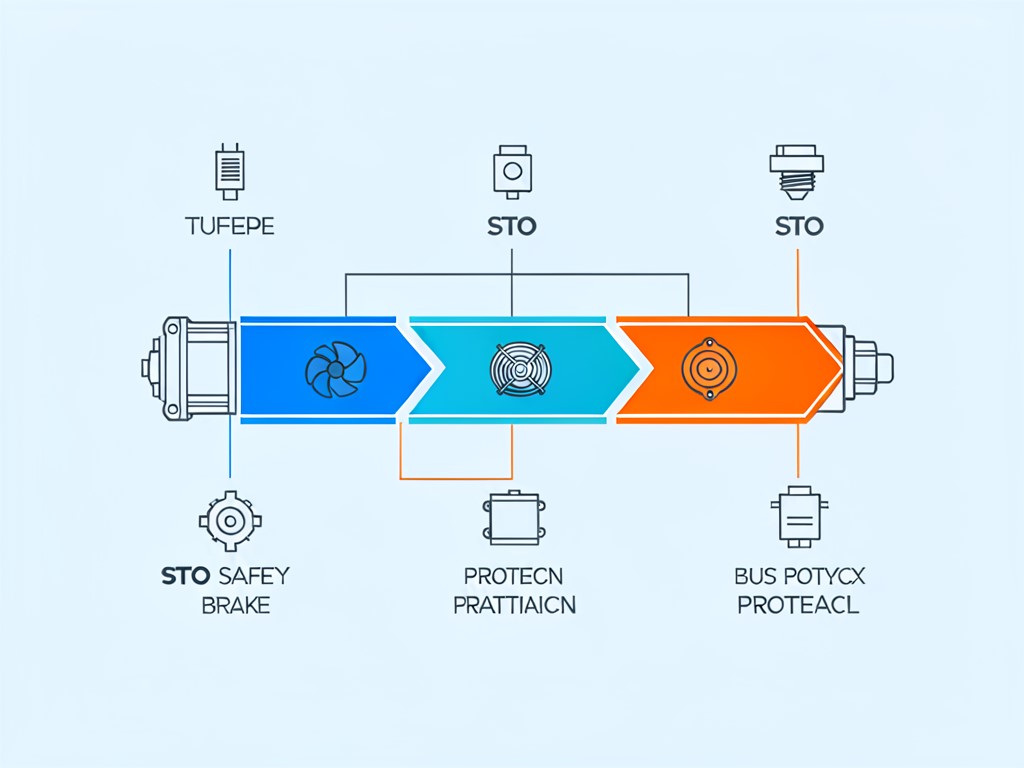
PAMP60 is officially positioned as the upgrade replacement for PAM. Comparing the two manuals and the model rules, the upgrades concentrate in four areas:
Protection: the PAM series starts at IP54; PAMP adds P = IP65 to the model code for wet or dusty lines;
Encoder: from single-turn absolute to both 17-bit single-turn (B) and 17-bit multi-turn absolute (D), with a multi-turn range of -2147483648 to 2147483647, an external 2600mAh / 3.6V battery, and 10µA standby current;
Selectable features: STO, cooling fan, and brake moved from fixed configurations to model-code options — one platform, a dozen-plus configurations;
Bus and duty: EtherCAT / CANopen / RS485 with 1500V isolation are retained, plus a fan-cooled S1 continuous-duty version (the natural-cooling version is S3-10min-60% intermittent).
To be clear: PAMP60 does not abandon the PAM platform — the integrated architecture, CiA402 mode set, parameter identification and vibration suppression carry over. What changes is the freedom of protection, feedback, and feature combinations. For replacement of installed PAM units, check mounting dimensions, power, and I/O definitions point by point before committing.
3. Feature differences: single-turn, multi-turn, STO, fan, and other versions
This is the most confusing part of PAMP60 selection. The manual's sample code is PAMP6040B-COE/CANopen/485-S-0HEBF; the fields mean:
Field | Options | Meaning |
|---|---|---|
Series | PAM / PAMP | Integrated AC servo motor |
Protection | default / P | Default IP54; P = IP65 |
Encoder | B / D | B=17-bit single-turn; D=17-bit multi-turn absolute |
Frame | 60 | 60mm flange |
Power | 40 | 400W |
Inertia | default / L / H | Medium / low / high inertia |
Bus | COE / CANopen / 485 | EtherCAT (COE) / CANopen / RS485 (Modbus RTU) |
STO | default / S | Default none; S = Safe Torque Off |
Shaft length | 0 / 1 | Standard / custom length |
Shaft key | S / F / K / H / M | Plain / milled flat / half-round / parallel key / through-hole |
Special machining | S / A / B / E | None / gear / screw / center threaded hole |
Brake | default / B | Default none; B = holding brake |
Cooling | default / F | Default natural cooling; F = cooling fan |
3.1 Single-turn B vs multi-turn D
B (17-bit single-turn absolute): remembers position within one revolution after power-off, but the absolute position beyond one turn needs homing or host counting. Suited to axes that travel less than one revolution or have a home switch;
D (17-bit multi-turn absolute): an external battery maintains multi-turn counting over -2147483648 to 2147483647; after power-off the full absolute position is restored without homing. Ideal where homing moves are forbidden or coordinate loss is unacceptable. The trade-off is battery life (2600mAh / 3.6V).
3.2 STO (S) — present or not
STO (Safe Torque Off) is a safety feature, not a performance feature: when the safety circuit trips, the drive cuts torque output to prevent unexpected startup. The safety voltage range is 15–28VDC. It serves CE / functional-safety compliance and personal protection — it does not change torque, accuracy, or speed. Select S only when connecting safety doors or emergency-stop safety relays.
3.3 Cooling fan (F) — present or not
This is about duty cycle:
Version | Cooling | Duty cycle |
|---|---|---|
Default (no F) | Natural cooling | S3-10min-60% (10-minute cycle, 60% operating time) |
With F | Active fan cooling | S1 continuous duty |
The manual warns that extended rated-power operation can trigger an over-temperature alarm; even S1 versions should be derated per actual conditions — torque should be reduced to 70% for continuous duty. Fan versions suit continuous conveyance, bonding, or sustained press-fitting; natural-cooling versions suit low-duty point-to-point motion, with simpler structure and no fan-life concern.
3.4 Brake (B) — present or not
With a brake, an internal electromagnetic holding brake engages on power loss in about 10ms; the 400W model's holding torque is 1.52N·m. Select B for vertical axes, suspended loads, or any drop-risk situation. Horizontal axes without gravity load do not need it — saving cost and 29.5mm of body length (135mm → 164.5mm).
4. Features: platform capabilities at a glance
Item | Specification |
|---|---|
Supply | 200–240VAC, 220VAC rated |
Power / frame | 400W (60mm frame) |
Speed / torque | 3000rpm / 1.27N·m (400W), 2.54N·m peak |
Protection | IP54 (default) / IP65 (P) |
Encoder | 17-bit single-turn absolute (B) / 17-bit multi-turn absolute (D, external battery) |
Communication | EtherCAT (100Mbps) / CANopen (1M–125kbps) / RS485 Modbus RTU (1M–9.6kbps), all 1500V isolated |
Control modes | CiA402: PP/PV/PT/IP/HM/CSP/CSV/CST; NiMotion mode: position/speed (pulse, digital, analog setpoint) |
I/O | 3×DI (PNP/NPN/differential, PWM up to 2MHz) + 1×DO (100mA/55V) + 1×AI (-10–10V, 12-bit) |
Brake resistor | Built-in 100W/200Ω, external optional (min 60Ω) |
Safety | STO 15–28VDC (S version); brake holding 1.52N·m (B version) |
Algorithms | Parameter identification & PI auto-tuning, resonance suppression (≥300Hz), low-frequency suppression (≤100Hz), soft limits, fault diagnosis/reset, parameter save/restore, online upgrade |
Environment | 0–40℃, 10–85%RH non-condensing, altitude <1000m, storage -40–85℃ |
5. How to select: a five-step method
Frame and power first: the current PAMP60 is a 60mm-frame, 400W model; size load torque against 1.27N·m and the torque curve with a 2–3× peak margin; confirm loads beyond this tier against the actual duty cycle;
Then duty cycle: continuous running → F (fan, S1); intermittent point-to-point → natural cooling (S3-10min-60%); derate to 70% for continuous duty;
Then encoder: "absolute position known at power-up, no homing allowed" → D multi-turn; ordinary point control with a home switch → B single-turn;
Then safety and brake: vertical axis / drop risk → B brake; safety door / E-stop loop → S (STO); dust or moisture → P (IP65);
Finally bus and mechanics: COE / CANopen / 485 per host controller; shaft key S/F/K/H/M and special machining A (gear) / B (screw) / E (center threaded hole) per mounting.
A typical configuration: PAMP6040D-COE-S-0HEBF = 60mm frame 400W, 17-bit multi-turn absolute, EtherCAT, STO, brake, and fan — the complete setup for "vertical axis + continuous duty + safety circuit + bus control."