
Observations from the 2026 World Robot Conference: From "Showing Off Skills" to "Getting Things Done," Integrated Joint Motors Become the Hidden Protagonist
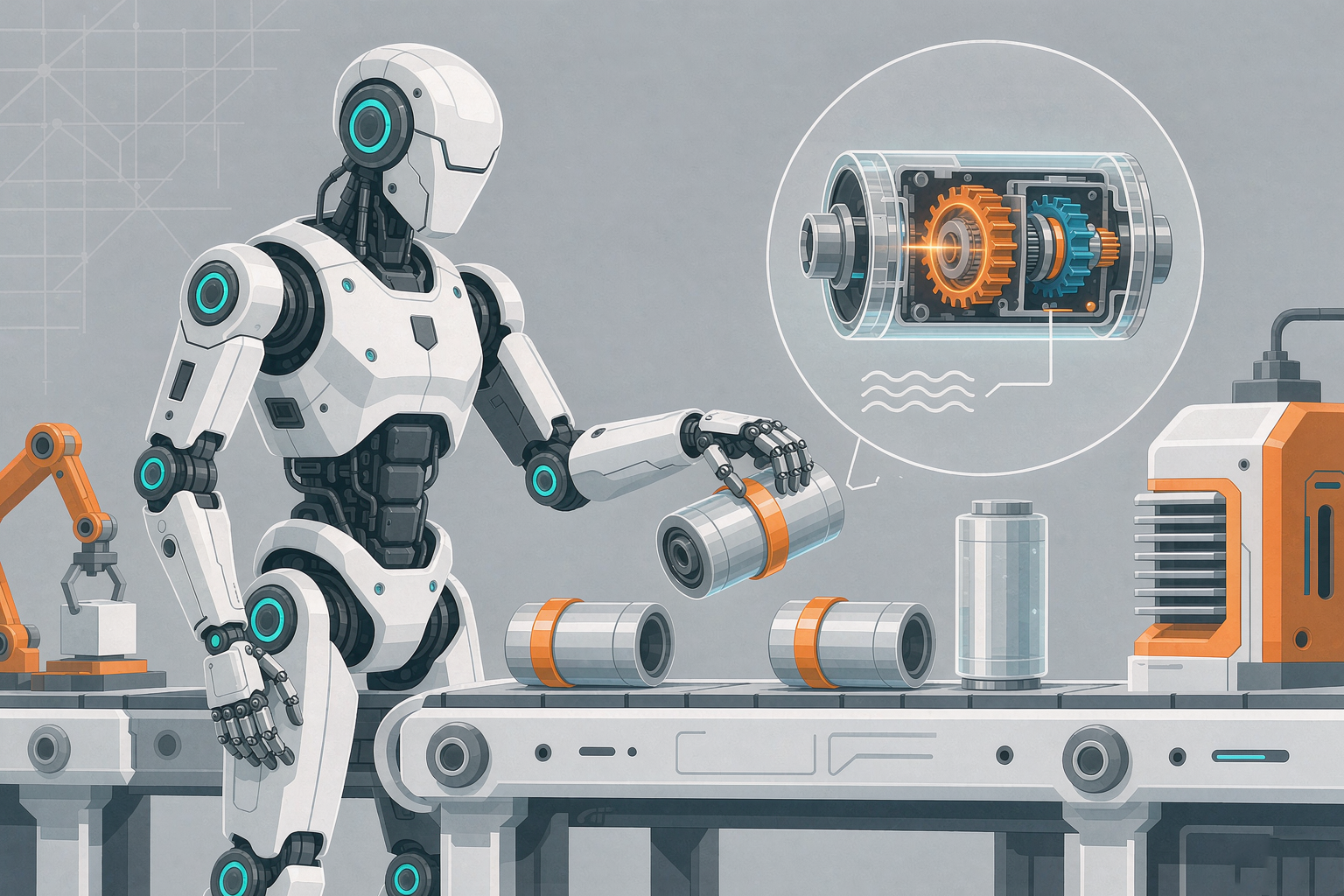
In short: the most noteworthy aspect of the 2026 World Robot Conference isn't the actions robots can perform, but rather the complete rewriting of the evaluation criteria—from "how flashy the actions are" to "whether they can work stably 24/7." This shift has propelled integrated articulated motors to the forefront.
From August 19th to 23rd, 2026, the World Robot Conference 2026 (WRC 2026) was held at the Beijing Yizhuang Beiren Yichuang International Convention and Exhibition Center, with the theme "Human-Machine Symbiosis, Production and Demand Integration". During the five-day event, 373 domestic and international companies showcased over 3,000 exhibits, including 311 new products making their debut. The conference attracted 557,000 attendees, a 106% increase compared to the previous edition (Xinhua News Agency, 2026-08-24).
I. Five sets of data to understand the significance of this conference
index | 2026 Data | Year-on-year comparison |
Exhibitors | 373 companies | 311 new products launched |
Number of Exhibits | Over 3,000 items | — |
On-site Participation | 557,000 visits | 106% |
Live Stream Viewing | 110 million visits | 94% |
Media Coverage | 1,712 companies, over 200,000 articles published online | 43% |
On-site Transactions | Over 140,000 robots and smart products sold | The previous year's sales reached 19,000 units, with sales exceeding 200 million yuan. |
Data source: World Robot Conference official website, "Data Speaks for the Conference: Abundant Achievements," Xinhua Net, August 23/24, 2026.
The most noteworthy point is the last line. The previous conference reported sales of "19,000 units, with sales exceeding 200 million yuan." This year, thanks to the newly established "Procurement Day" and Robot Consumption Festival, over 140,000 robots and related intelligent products were sold—**the conference's positioning is shifting from a "showcase platform" to a "transaction platform."**
Other achievements released concurrently included the "2026 Humanoid Robot Industry Development Report," the "Intelligent Robots for Positive Development Initiative," and the "Global Robot Application Exploration Plan," and the announcement of the establishment of the World Model Expert Committee of the Chinese Institute of Electronics (China.com, August 27, 2026).
II. Shift in Evaluation Scale: From Peak Performance to Continuous Reliability
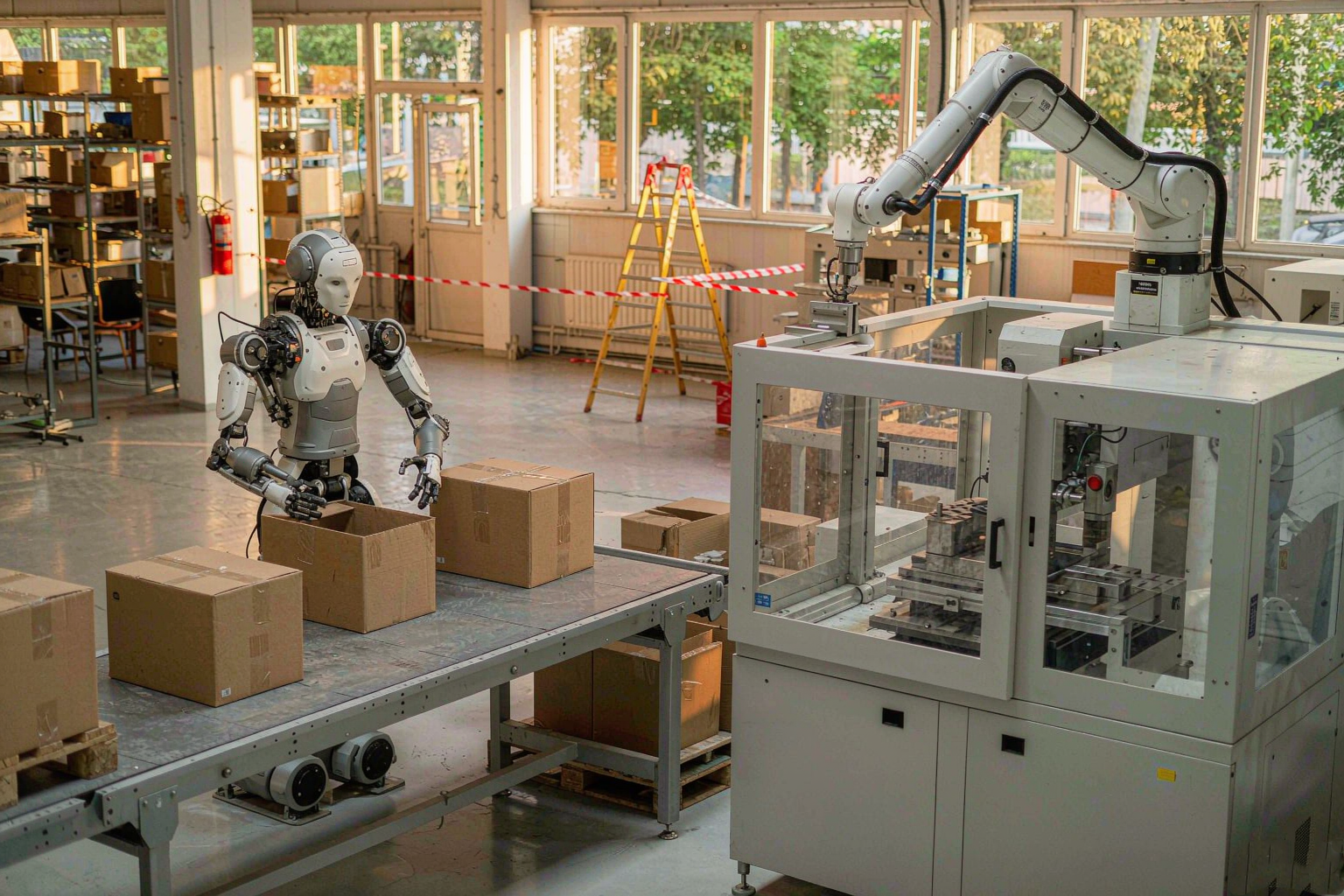
Multiple on-site observers pointed to the same change: this year's conference "shed many of the flashy performances and showcased more of the real-world operation of robots." From making pancakes and brewing coffee to picking up medicine in pharmacies and sorting logistics; from industrial humanoid robots carrying heavy loads to special robots performing high-risk tasks in the air and sea—robots are entering real-world roles.
For motion control professionals, the significance of this statement lies in the shift in evaluation metrics from "peak performance" to "continuous reliability."
Performances like backflips and slalom maneuvers test instantaneous bursts of power—peak torque can be maximized in a short period. However, "stable operation 24/7" tests four entirely different dimensions:
1. Temperature rise and thermal balance: Joints operate continuously within a closed cavity, leading to heat accumulation that causes magnet demagnetization, encoder drift, and insulation aging—the most common pitfalls for discrete solutions.
2. Batch consistency: A robot has dozens of joints; any discrepancy in friction torque, backlash, or zero-point offset at any one joint makes it difficult to reuse the overall control algorithm.
3. Lifespan and maintenance: Industrial customers do not accept "joint replacement every six months," making the rated lifespan of reducers and bearings a critical requirement.
4. Shock resistance and overload: The instantaneous impact loads from walking, falls, and sudden stops are often several times the rated value.
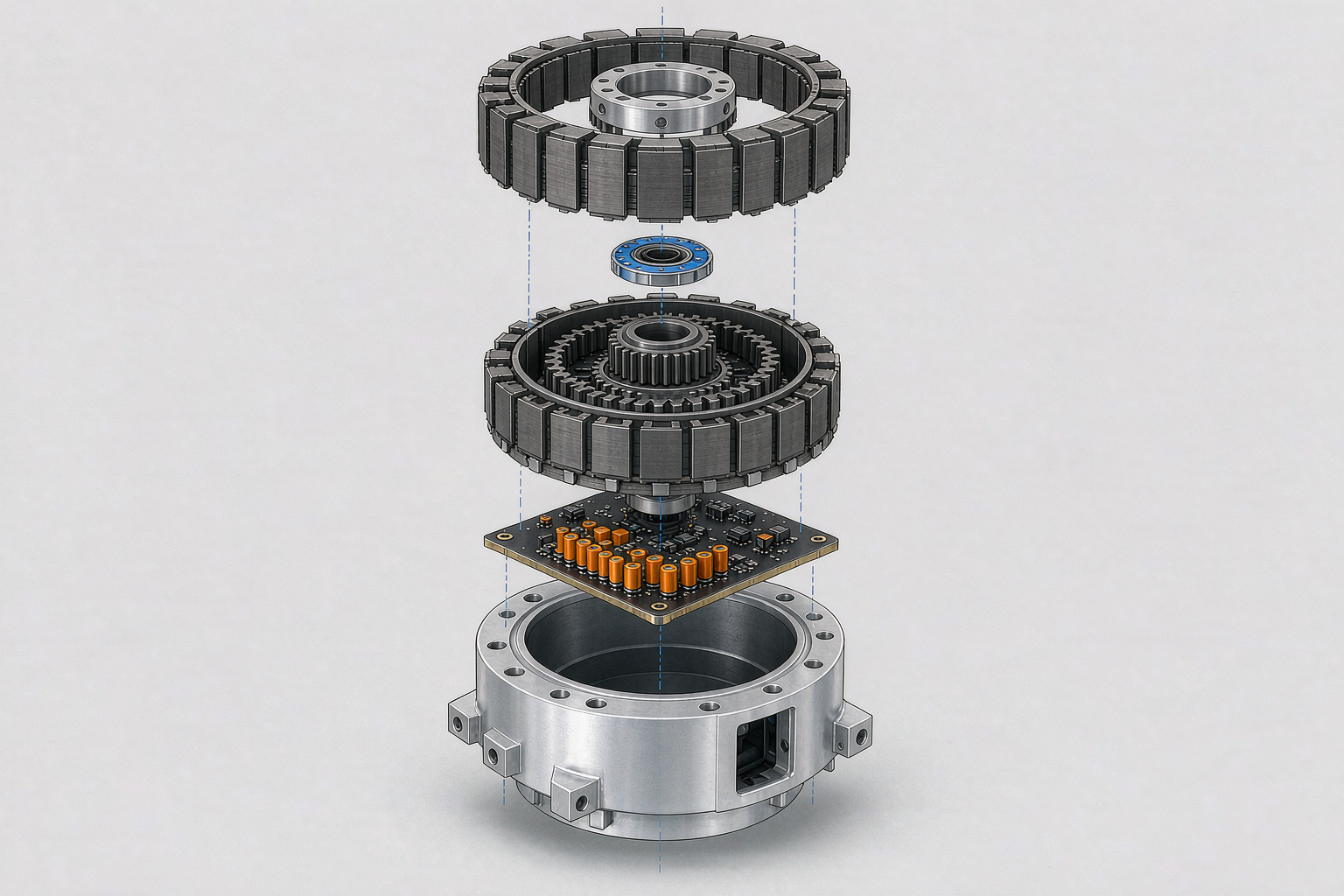
These four dimensions are precisely the directions that "integration" can directly improve—not because integration is inherently stronger, but because only by putting the motor, drive, encoder, and reduction mechanism into the same design closed loop can we systematically optimize heat, consistency, and overload. Components purchased separately may meet the standards individually, but when assembled together, they may cause excessive temperature rise.
III. Core Components: Three Routes Worth Noting
At this conference, breakthroughs in core components were repeatedly mentioned: embodied world models, cerebellar-macroencephaloid fusion chips, and domestically produced high-precision components were showcased, establishing a complete technology chain from perception and decision-making to execution. In terms of motion control, three routes have converged:
Route 1: Upper Limb "Hollow Cup Motor + Harmonic Reduction"
Targeting dexterous hand and light-load interaction scenarios, it emphasizes smooth, low-vibration, and high-precision flexible operation. Companies in the dexterous hand field have already achieved mass production of direct drive, linkage, and chord solutions.
Route 2: Lower Limb "Frameless Torque Motor + Planetary Reduction" Quasi-Direct Drive
Targeting heavy-duty walking and impact-resistant scenarios, it addresses the pain points of dynamic walking and fall protection with high rigidity, high torque density, impact resistance, and long lifespan.
Route 3: GaN (Gallium Nitride) Drivers Enter Mass Production
Several domestic companies have launched GaN motor drivers and modules for robots, achieving current loop bandwidth up to the 10kHz level and reducing torque ripple by over 30% (EET-China, 2026-08). The direct benefits of high switching frequencies are reduced losses and lower heat dissipation pressure—especially crucial for joints in enclosed cavities.
Notably, the RJ98 module, debuted at the conference by the Chengdu Humanoid Robotics Innovation Center, weighs 980g, measures 98×61mm, has a peak torque of 90N·m, and a power density of 633W/kg, more than 1.5 times that of products of the same size. **This combination of specifications (small size + high torque + high power density) is becoming a common benchmark for joint modules.**
IV. Central State-Owned Enterprises Enter the Site: Real Working Conditions Opened to the Public in Batches
This year's expo marks the first time that a delegation of central state-owned enterprises (SOEs) has made a concentrated appearance: 49 central SOEs are exhibiting 12 major application scenarios. The State-owned Assets Supervision and Administration Commission of the State Council (SASAC) announced the establishment of the Central SOE Robotics Innovation Consortium and released ten innovative achievements and ten high-value application scenarios.
The significance of this event has been underestimated. The biggest bottleneck for humanoid robots transitioning from the laboratory to real-world applications has never been algorithms, but rather the lack of sufficient real-world scenarios to feed data and expose failures. State-owned enterprises possess a wealth of real-world scenarios in fields such as space, deep sea, power and nuclear power, and mining and metallurgy—opening these scenarios to the entire industry is equivalent to simultaneously completing the verification environment for component manufacturers.
This aligns with the 2026 Special Action Plan for Real-World Training of Humanoid Robots and Embossed Intelligence (MIIT Joint Science and Technology Letter [2026] No. 256), jointly launched by the Ministry of Industry and Information Technology and the State-owned Assets Supervision and Administration Commission of the State Council. The goal is to develop over 100 high-value application scenarios and drive the deployment of tens of thousands of units by the end of 2026. For component manufacturers, this means both verification opportunities and delivery pressure.
V. Three criteria for integrated motor manufacturers and purchasers
1. When selecting a robot, prioritize "continuous torque" over "peak torque."
Peak torque determines whether the robot can perform a certain action, while continuous torque determines whether it can work continuously for one shift. When reviewing specifications, prioritize confirming rated torque, rated current, and allowable temperature rise, rather than just looking at peak figures.
2. Include "batch consistency" in the purchasing terms.
For robots with dozens of joints, consistency is more important than single-unit peak torque. It is recommended to request suppliers to provide discrete data on torque constant, back EMF, backlash, and zero-point offset for samples from the same batch, not just a conformity report.
3. Prioritize solutions with international certifications and open bus protocols.
CE certification, EtherCAT/CANopen protocol support, and multi-turn absolute encoders have gone from "bonus points" to "entry tickets" by 2026. Especially when products need to be exported to the EU or enter the supply chain of state-owned enterprises, missing certifications can directly hinder the process.