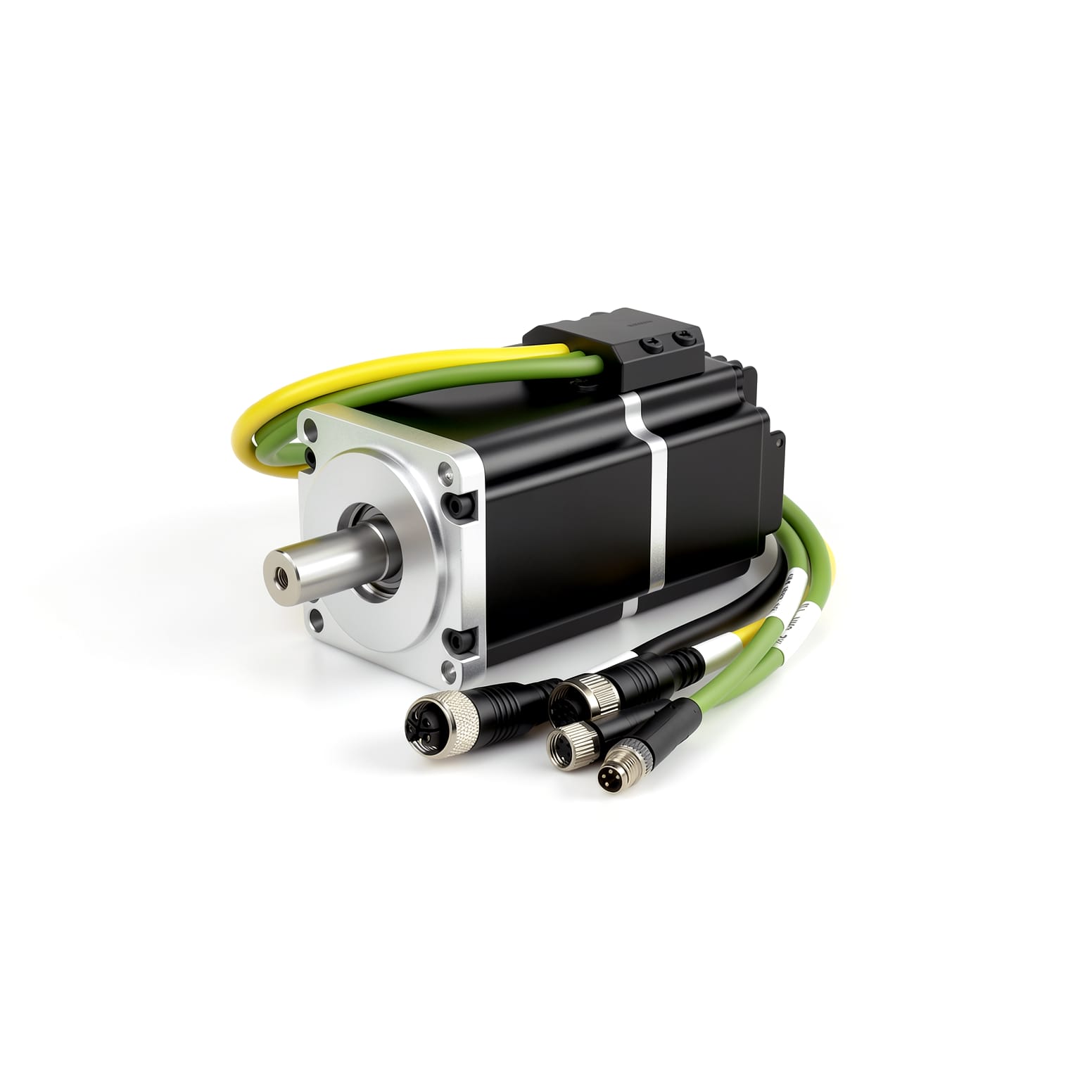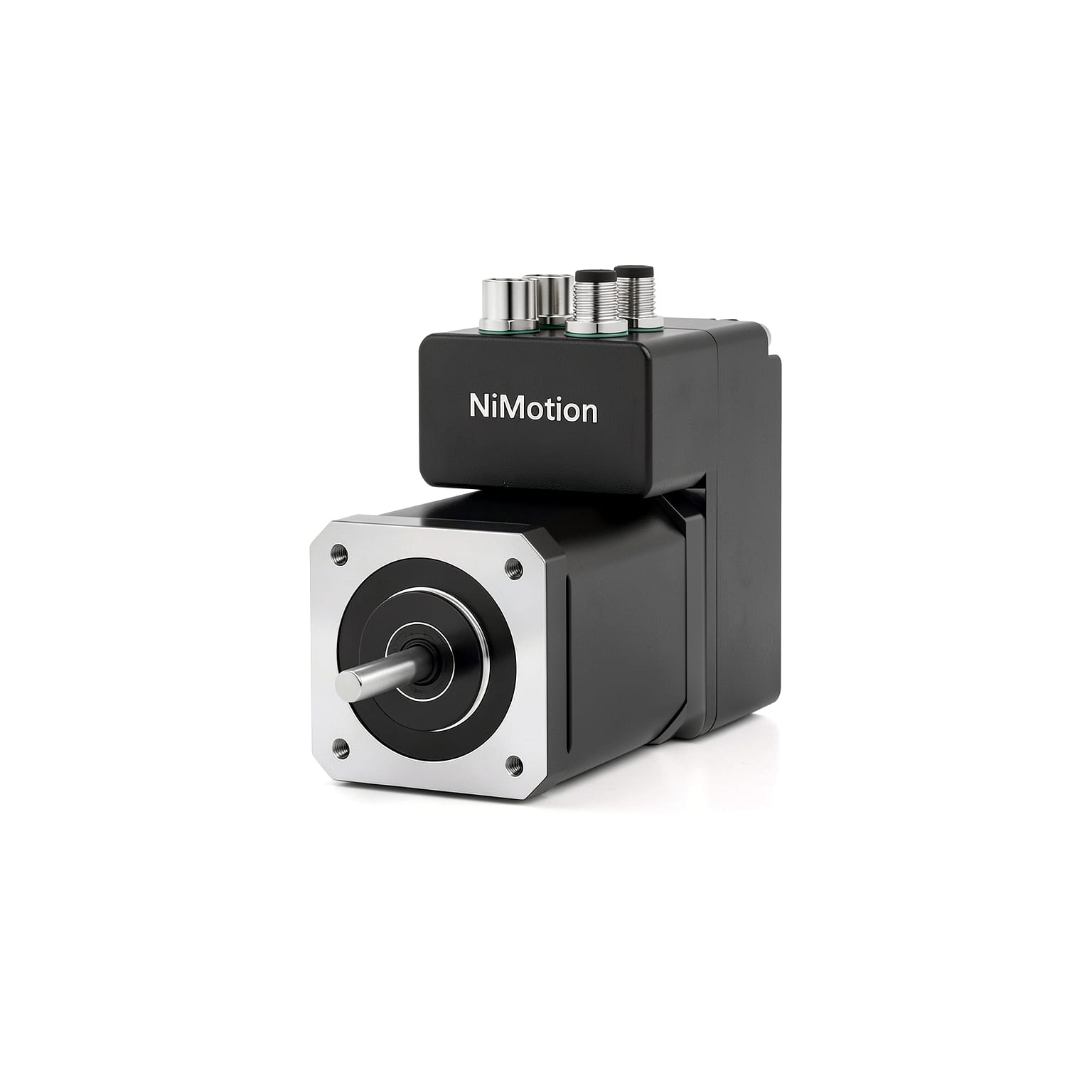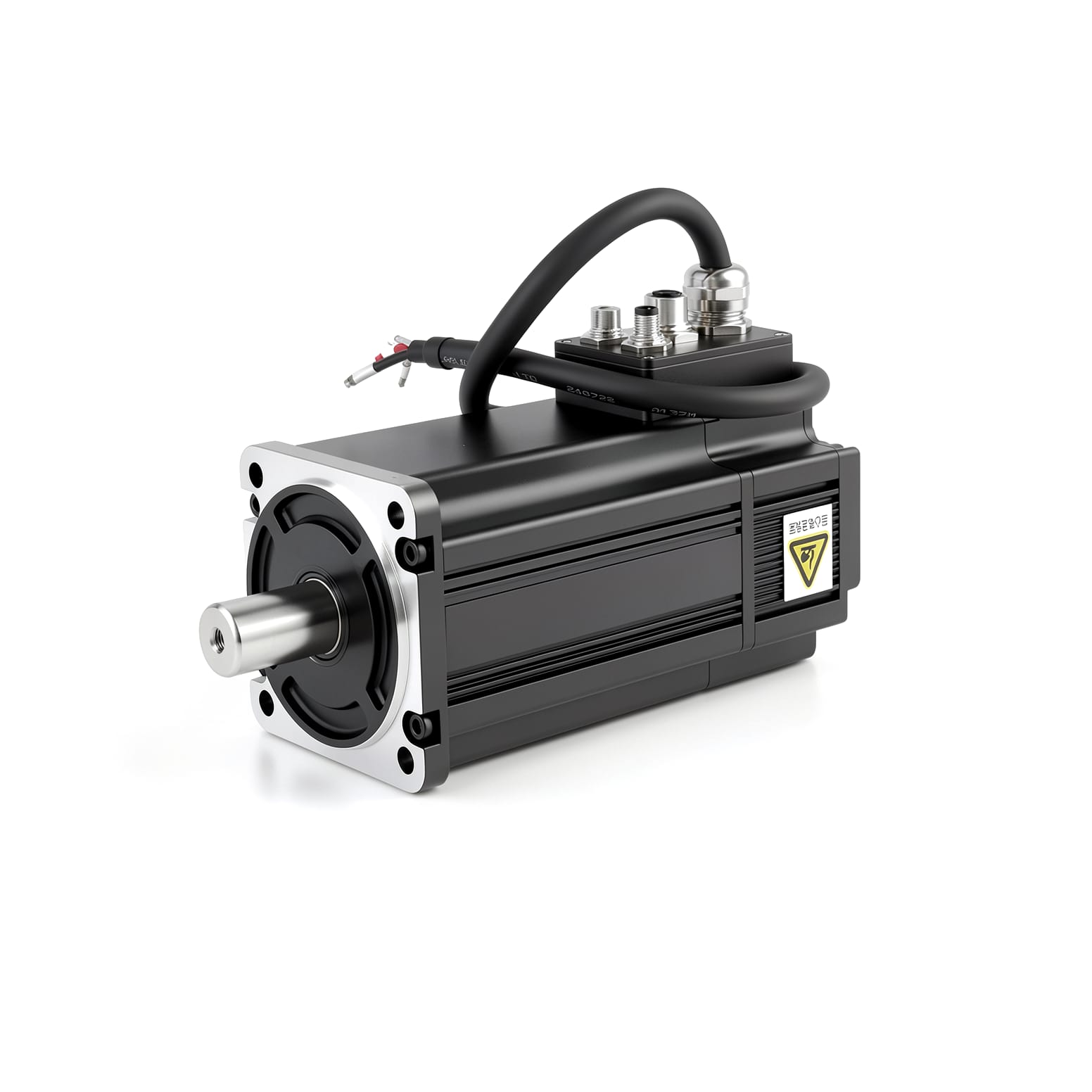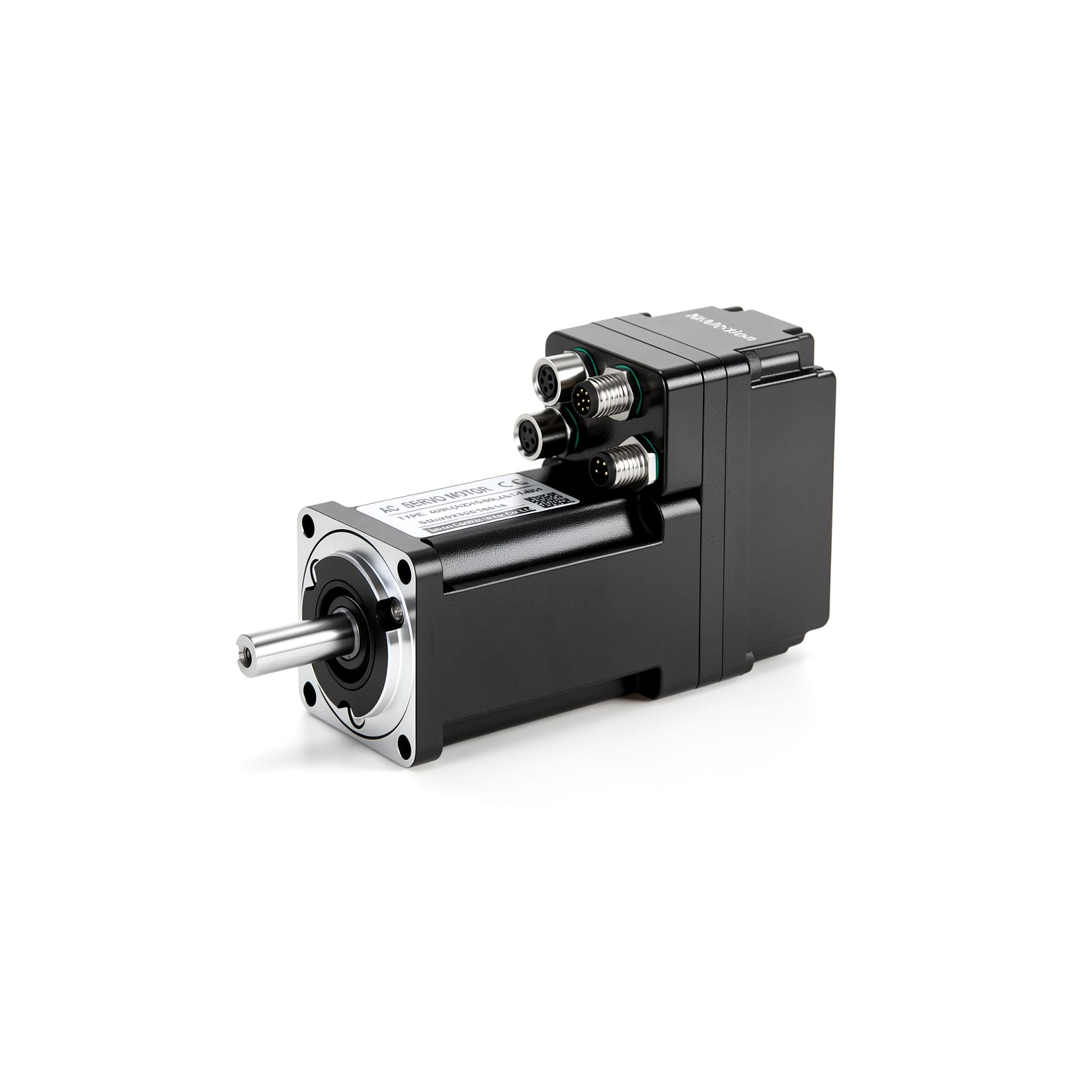
NiMotion releases the new WDG-28 integrated micro electric cylinder: small size, compact structure, powerful performance!
With the rapid development of industrial automation, medical equipment, precision instruments, and other fields, the demand for precision mechanical transmission components is continuously increasing. Traditional electric cylinders have many limitations in terms of size, precision, maintenance, and functional diversity, making it difficult to meet the high standards of modern industry. To address this, NiMotion has launched the WDG-28 series micro electric cylinders, offering users efficient and precise motion control solutions with excellent performance and flexible design.
01. Integrated Structural Design, No Coupling Required
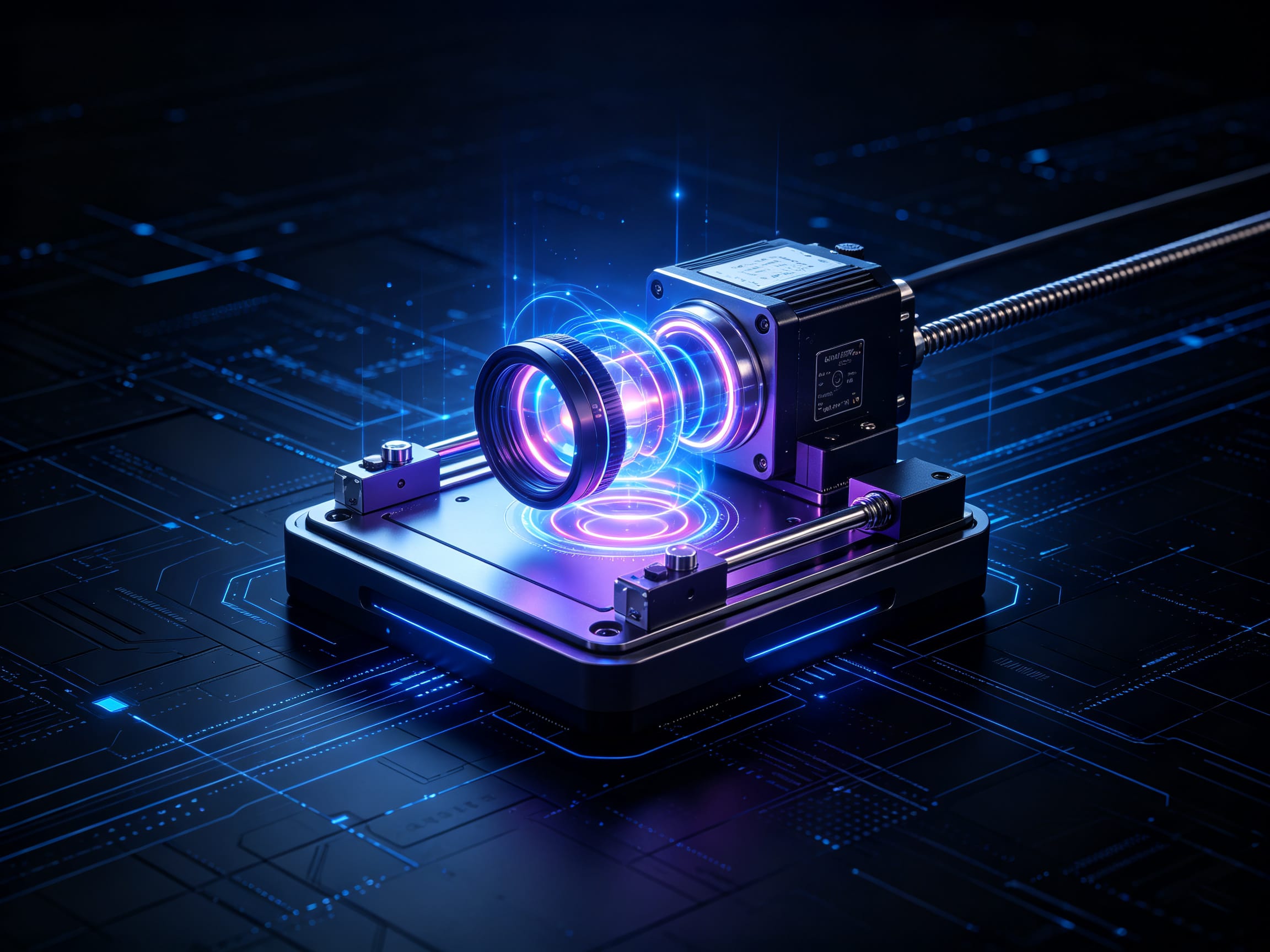
The WDG-28 series micro electric cylinders adopt an integrated design that combines the stepper motor (STM28 series), driver, encoder, linear guide, ball screw, and other modules, enabling each component to work together efficiently and stably. This design not only simplifies installation space and improves system reliability but also significantly reduces the user's workload in installation, maintenance, and commissioning.
The WDG-28 series micro electric cylinders maintain a compact size without sacrificing performance. Through careful design and optimization, they have achieved industry-leading levels in load capacity, positioning accuracy, and motion speed.
02. Precision Ball Screw Structure
The WDG-28 series micro electric cylinders use a ball screw as the core transmission component. The screw has a diameter of 4mm, a maximum effective stroke of 50mm, and a repeatability of ±0.005mm. This design ensures sufficient strength while effectively reducing friction and heat generation during transmission. The bottom features an aluminum alloy guide rail connected to the ball screw, further reducing friction and heat during operation, while achieving a more compact overall design and significantly reducing the cylinder's overall size.
03. CANopen/RS485 Bus Communication
The WDG-28 series micro electric cylinders support CANopen and RS485 communication protocols, enabling seamless integration with various industrial automation devices. The CANopen protocol is known for its high reliability and real-time performance, while the RS485 protocol offers long transmission distances and strong anti-interference capabilities, meeting the communication needs of various application scenarios.
In addition, the WDG-28 series micro electric cylinders support DI/DO control signals and can be configured for pulse input (refer to the user manual for details).
04. Multiple Motion Control Modes
The WDG-28 series micro electric cylinders support a variety of advanced control modes, including:
Profile Position Mode (PP)
Profile Velocity Mode (PV)
Profile Torque Mode (PT)
Velocity Mode (VM)
Interpolation Mode (IP)
Homing Mode (HM) (including on/off and stall detection)
Cyclic Synchronous Position Mode (CSP)
Cyclic Synchronous Velocity Mode (CSV)
Cyclic Synchronous Torque Mode (CST)
These advanced control modes provide users with more flexible and precise motion control solutions, enabling the electric cylinders to adapt to various application scenarios and achieve efficient and reliable industrial automation control.
05. Easy Installation and Commissioning
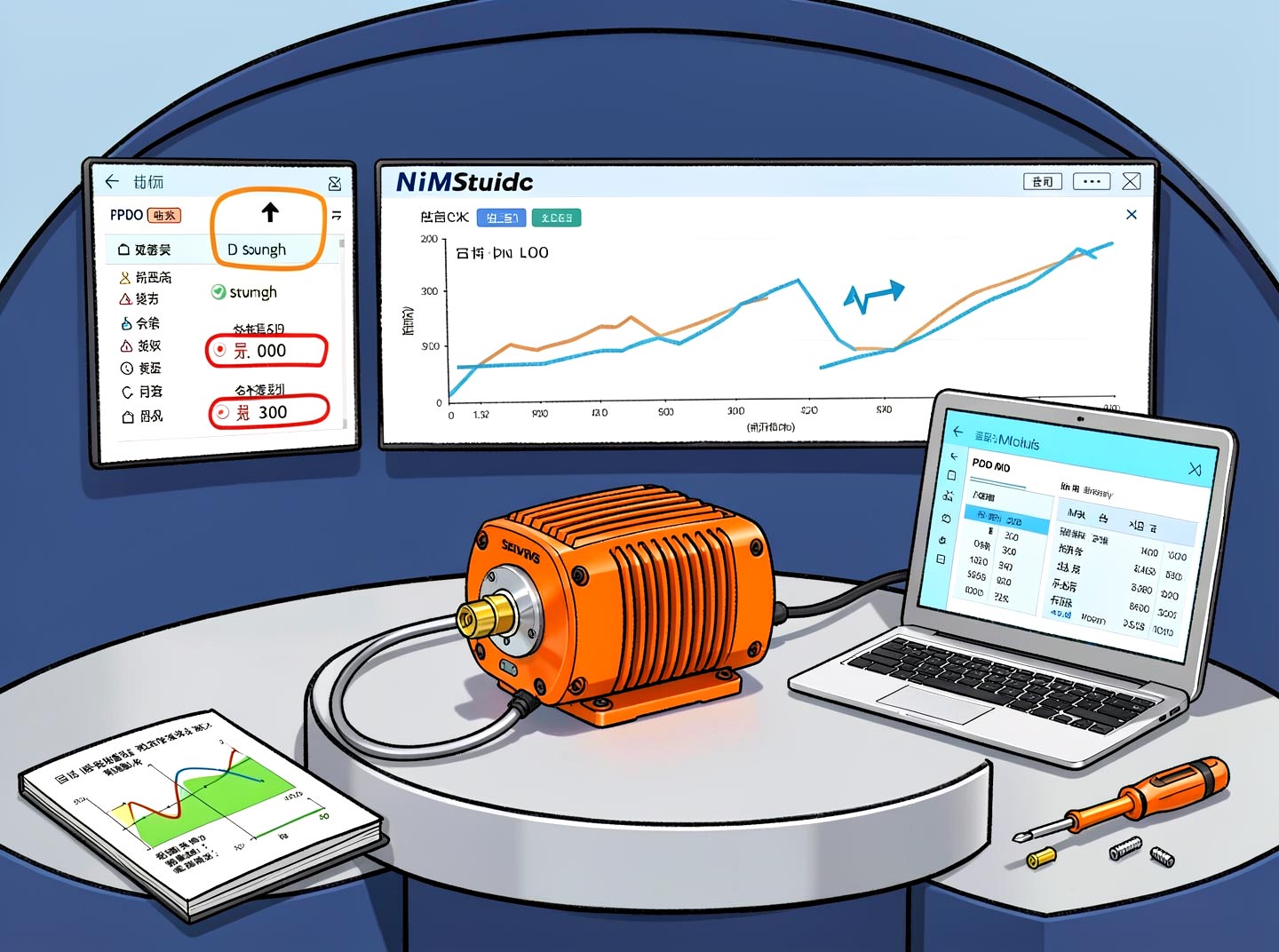
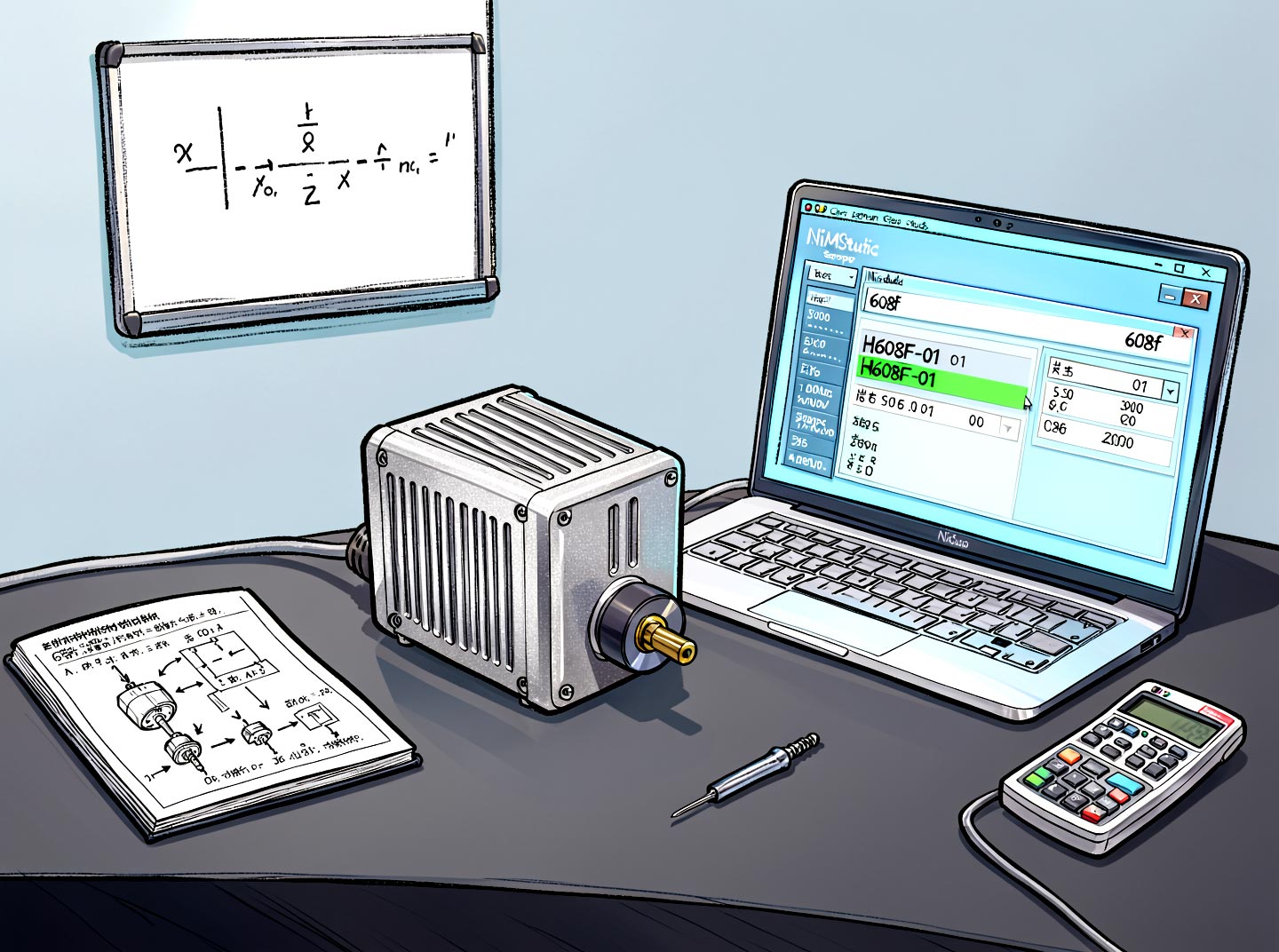
The NiMStudio host computer debugging software integrates a "cylinder debugging" function, allowing users to control and debug the electric cylinder via a computer or other smart devices. Users simply connect the cylinder to the host computer and through the software interface, they can easily configure parameters, control motion, and monitor status.
Through the software interface, users can achieve precise control of the electric cylinder, including start, stop, forward, and reverse operations. The debugging software features a clean interface and is easy to use, enabling both professional technicians and general users to quickly master its operation and complete cylinder debugging and configuration efficiently.
06. Specifications and Application Scenarios
Application Scenarios
The WDG-28 micro electric cylinders demonstrate strong adaptability across multiple fields:
Industrial Automation: Used in material handling, positioning, clamping, and other processes to improve production efficiency.
Robotics: Serves as joint actuators to help robots achieve precise motion.
Medical Devices: Provides precise control in surgical robots and diagnostic equipment, enhancing safety and accuracy.
Precision Instruments and Aerospace: Offers reliable support for high-precision measurement and aircraft transmission systems.
Conclusion
With its integrated design, high precision, high load capacity, and flexible communication control capabilities, NiMotion's WDG-28 series micro electric cylinders are an ideal choice for modern industrial automation. Whether improving production efficiency or achieving complex motion control, the WDG-28 series provides users with excellent solutions.