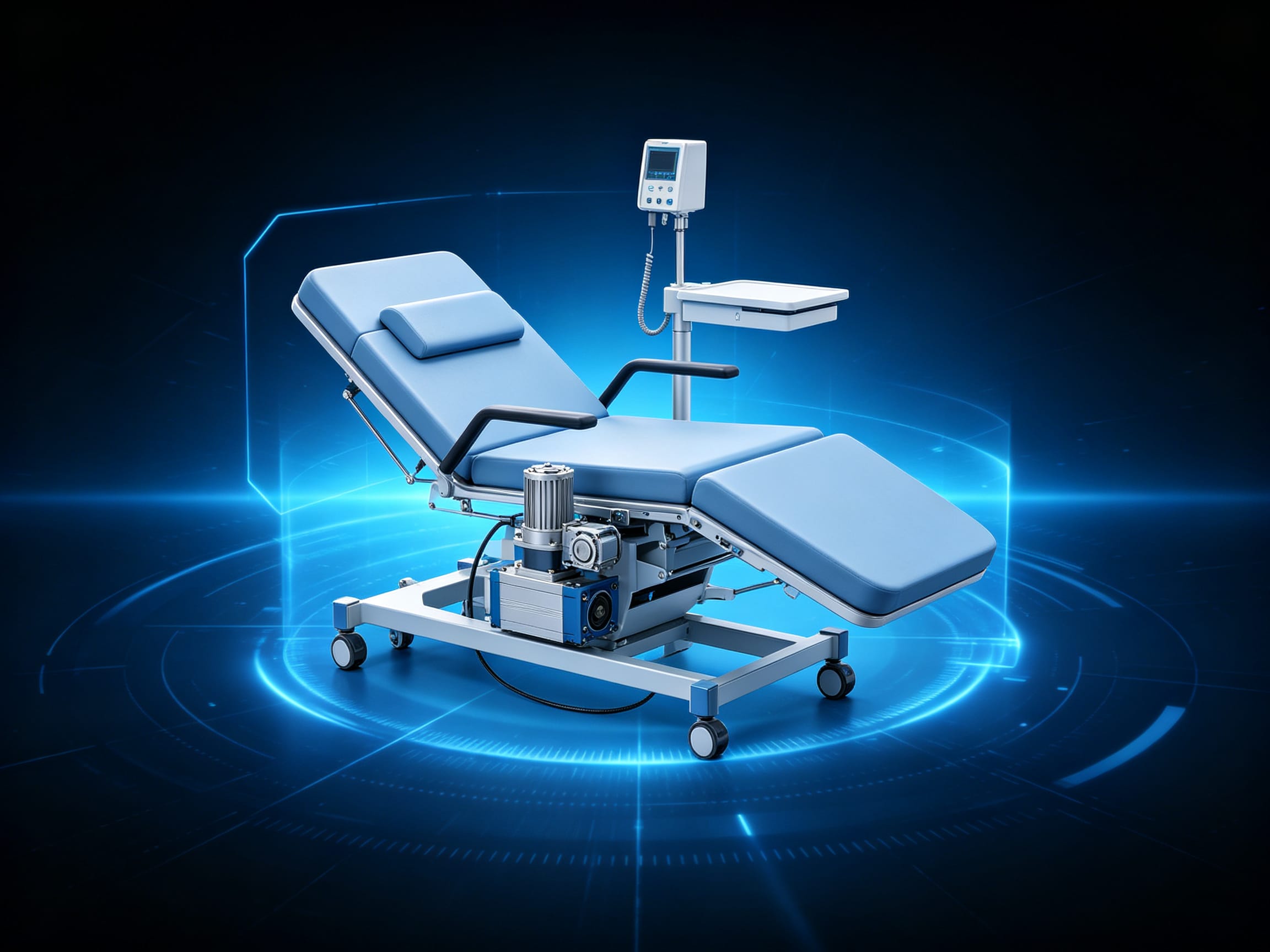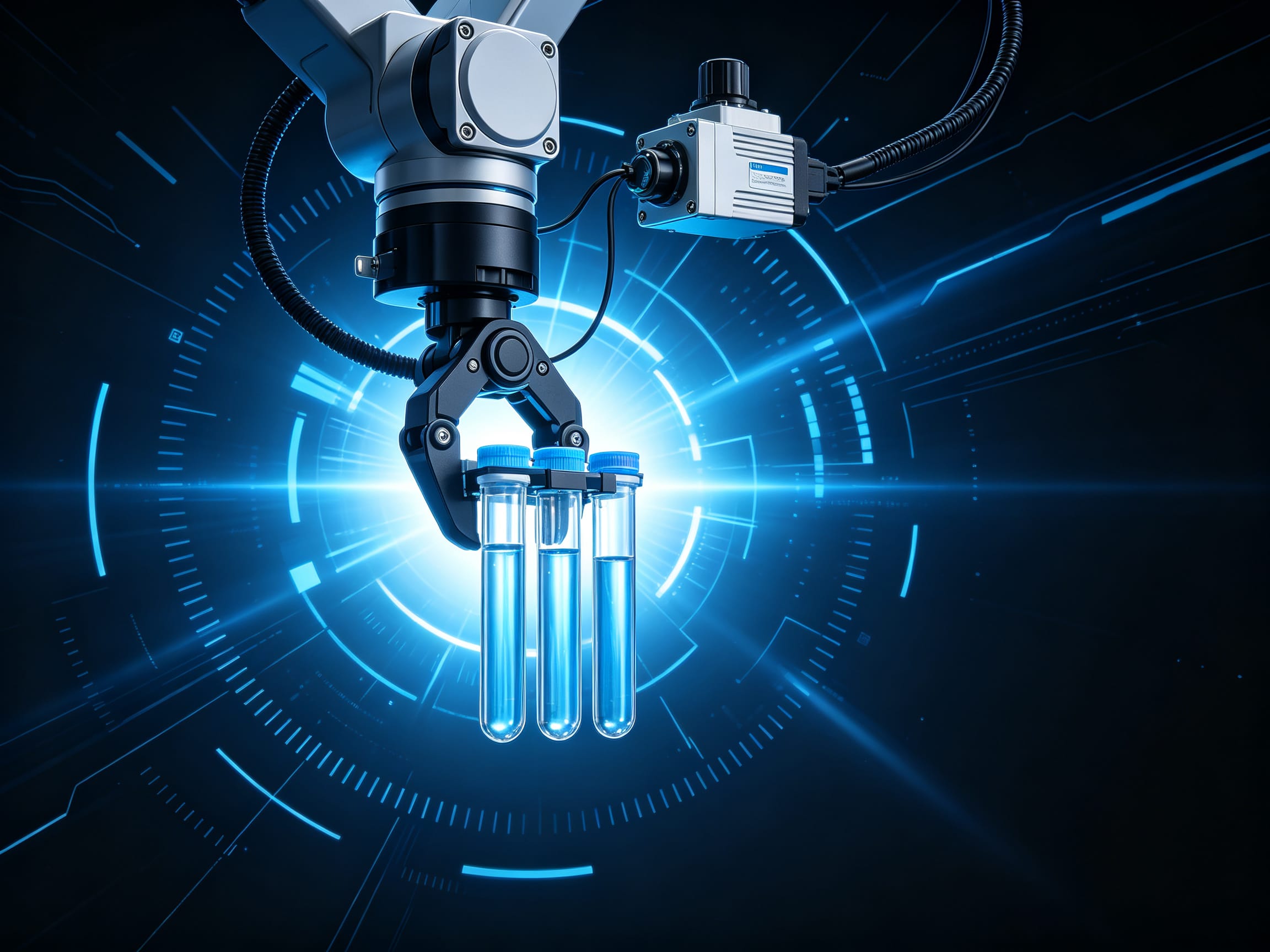
Application Case of Integrated Stepper Servo Motor in Medicine Dispensing Equipment
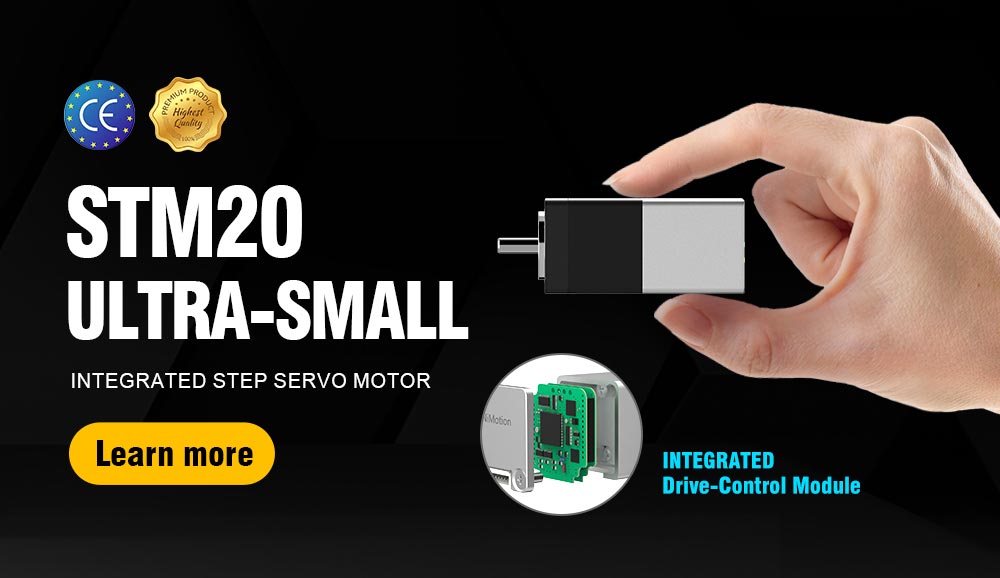
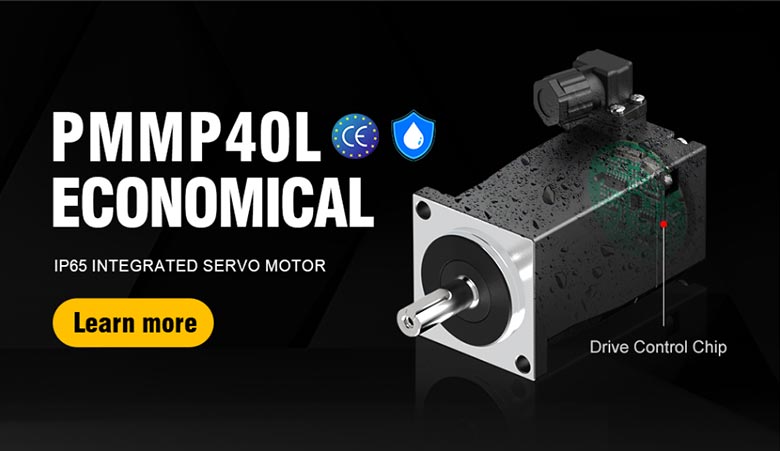
With the increasing level of medical automation, medication dispensing equipment imposes higher demands on the precision, stability, and integration of motion control systems. Traditional separate motor and driver combinations suffer from complex wiring and susceptibility to interference. Integrated stepper servo motors, through highly integrated design, combine the motor, driver, and controller into a single unit, significantly simplifying system architecture and improving dynamic response capabilities.
1. Equipment Introduction
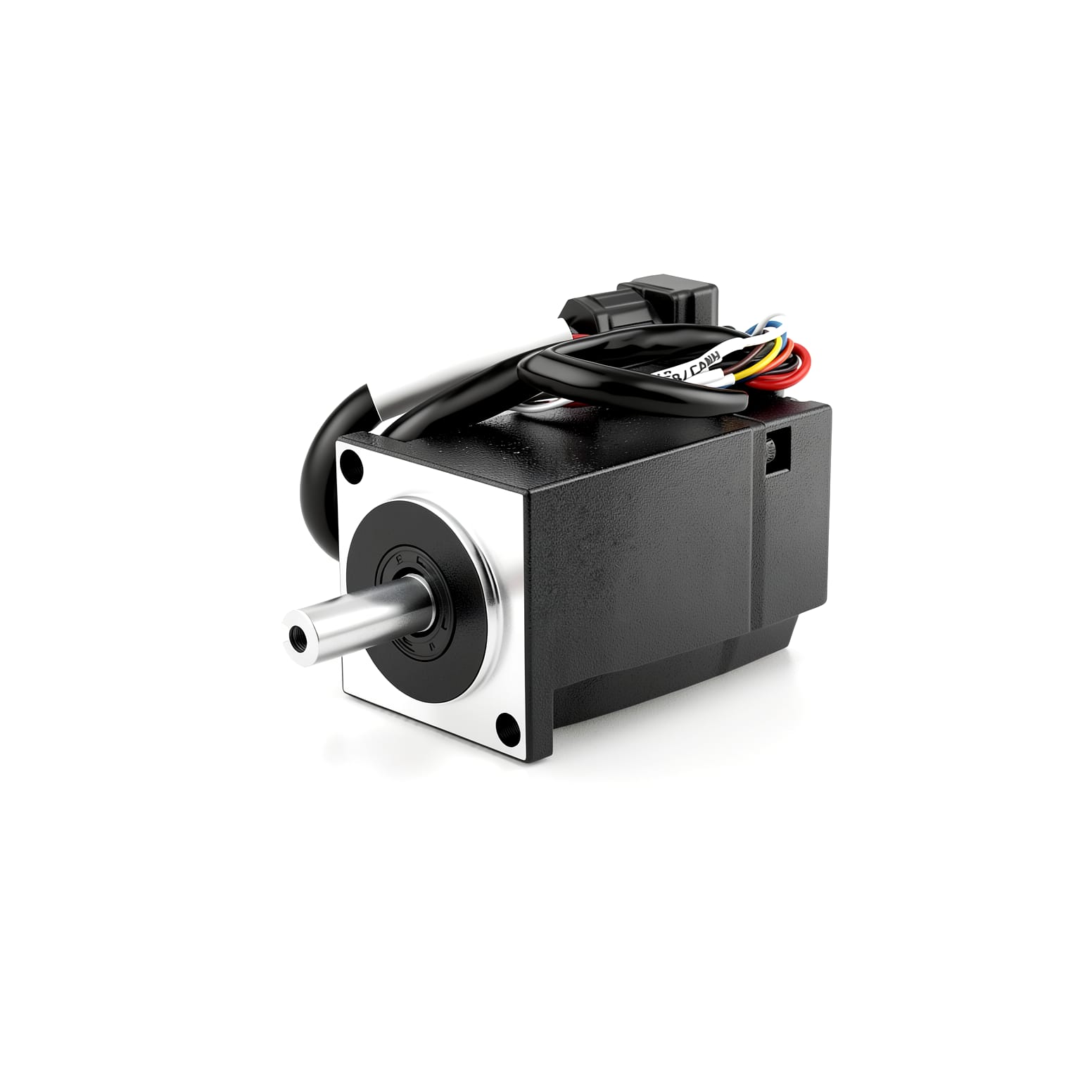
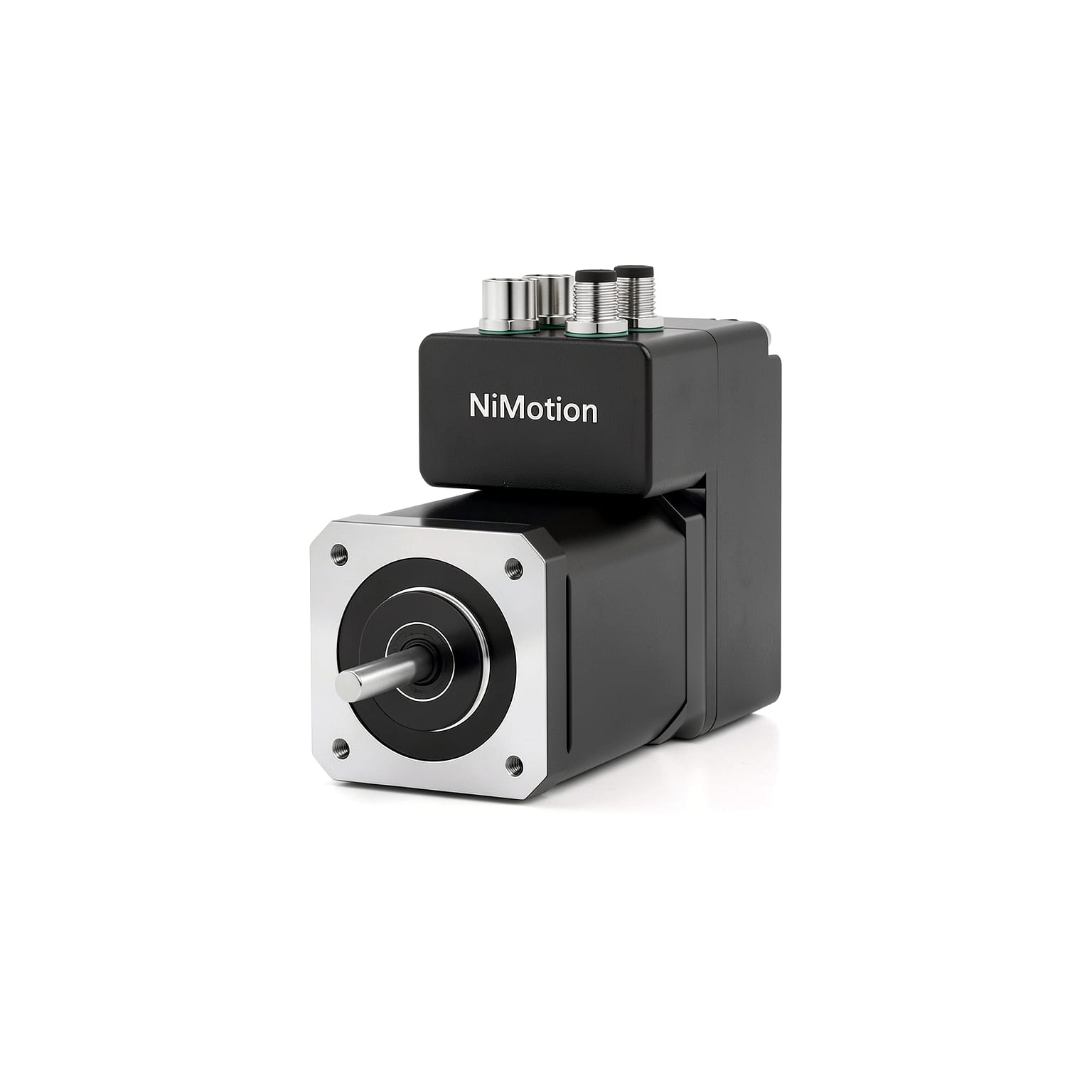
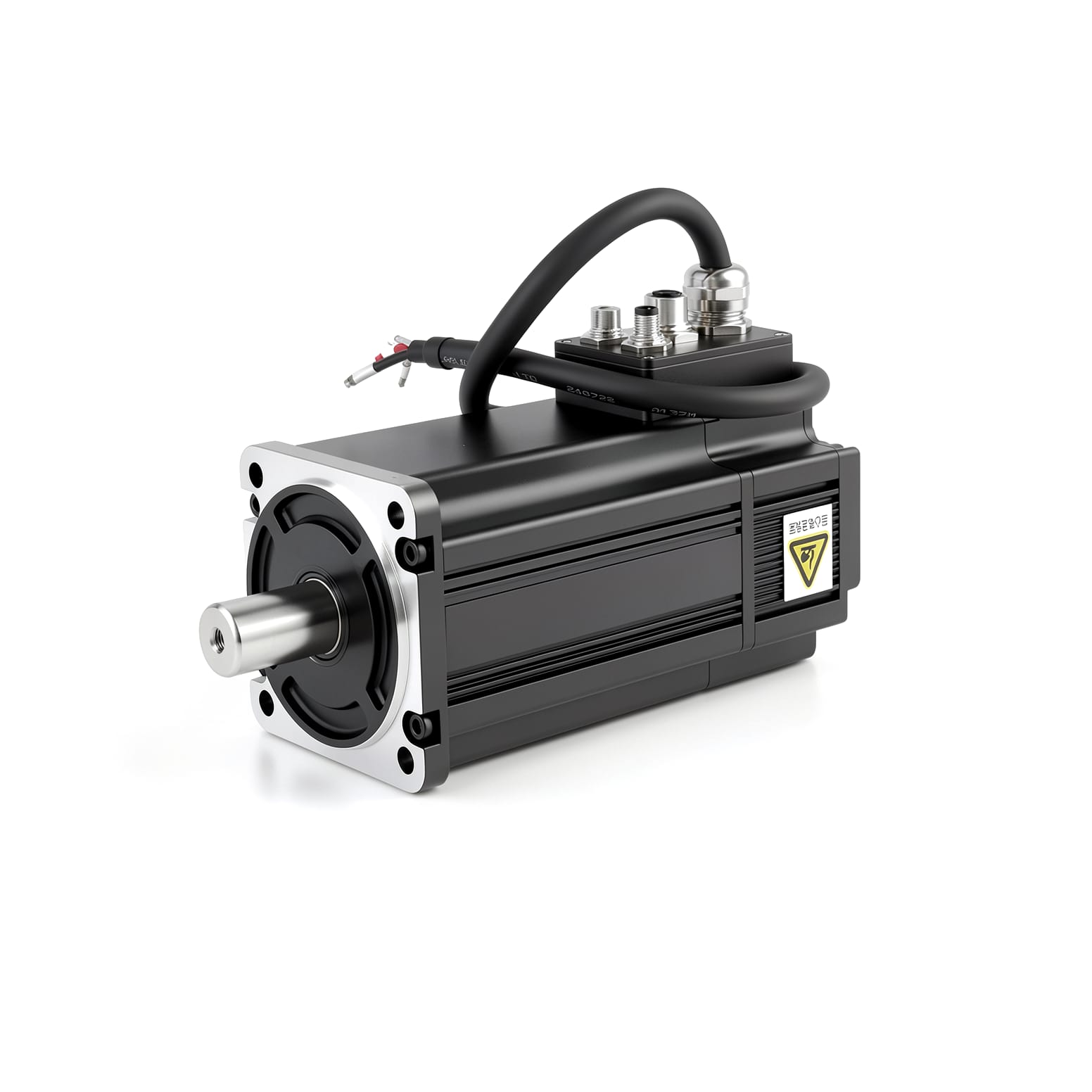
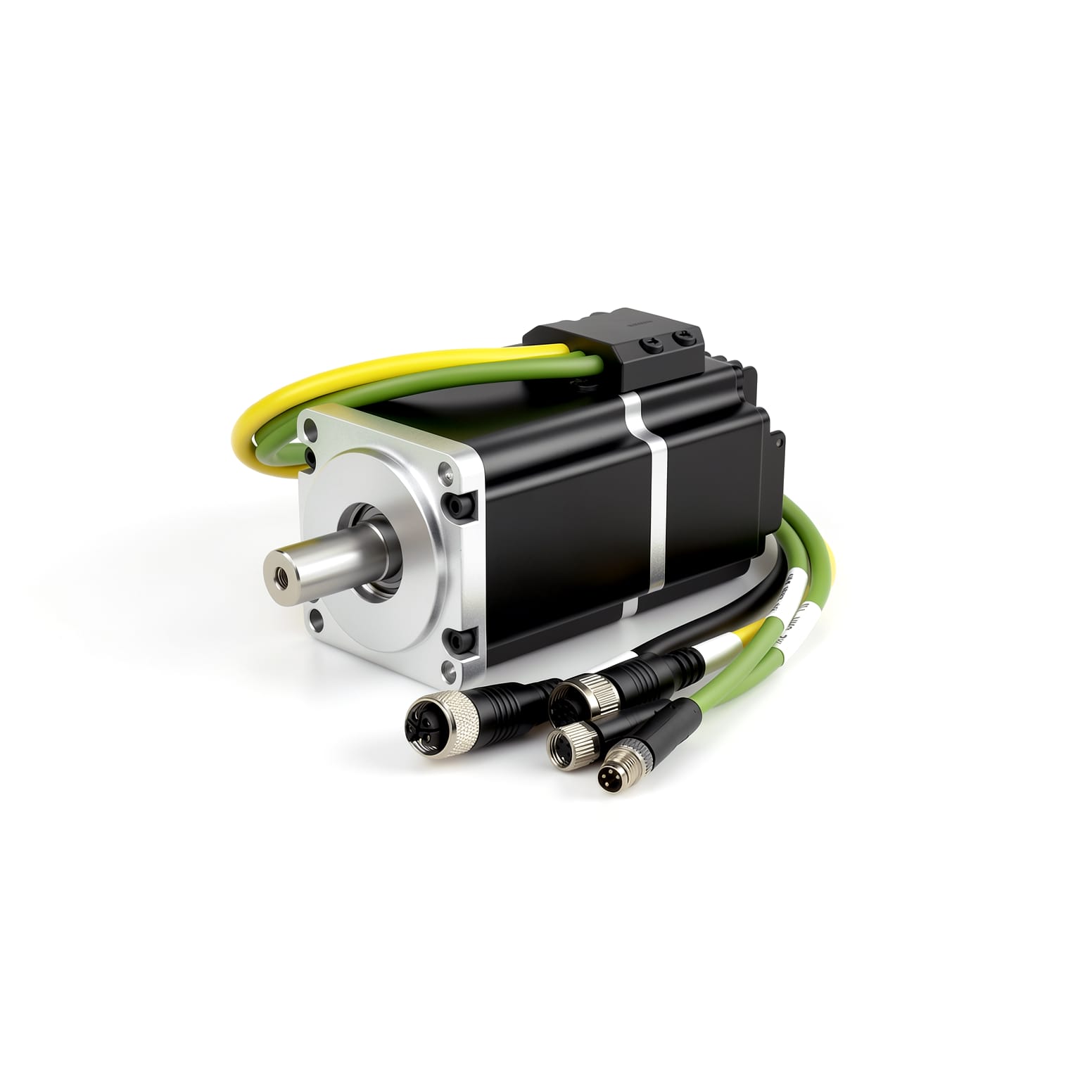
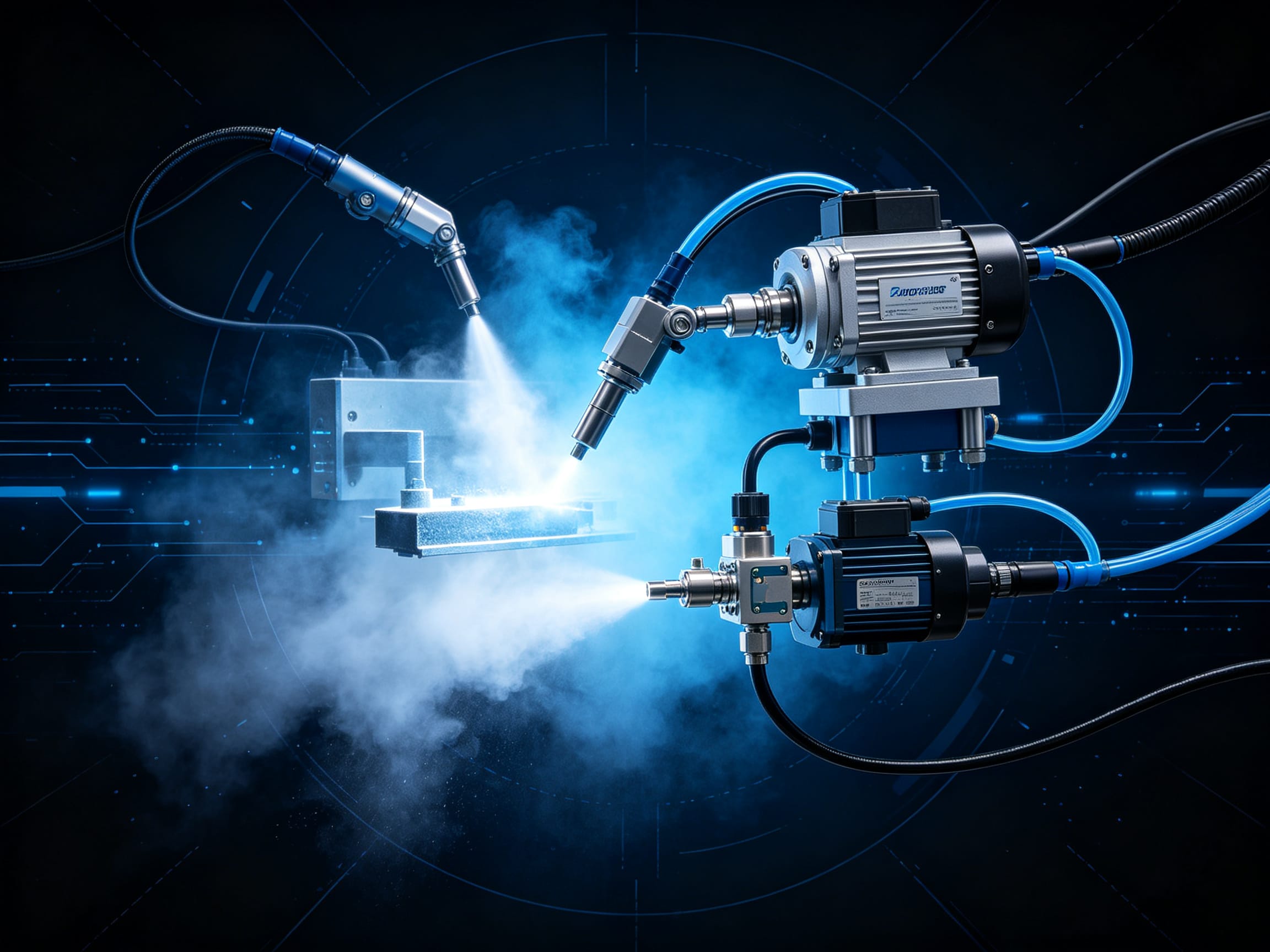
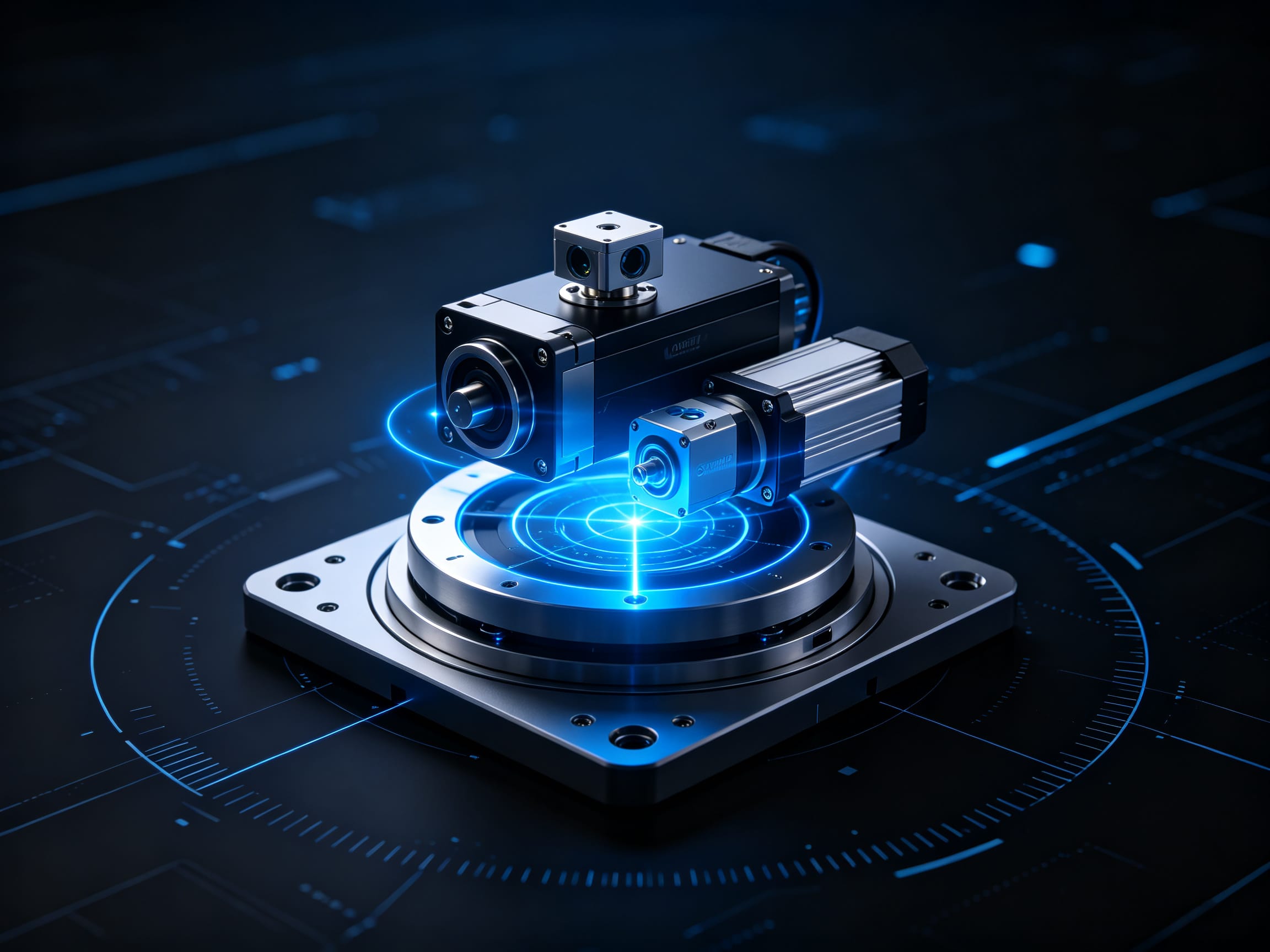
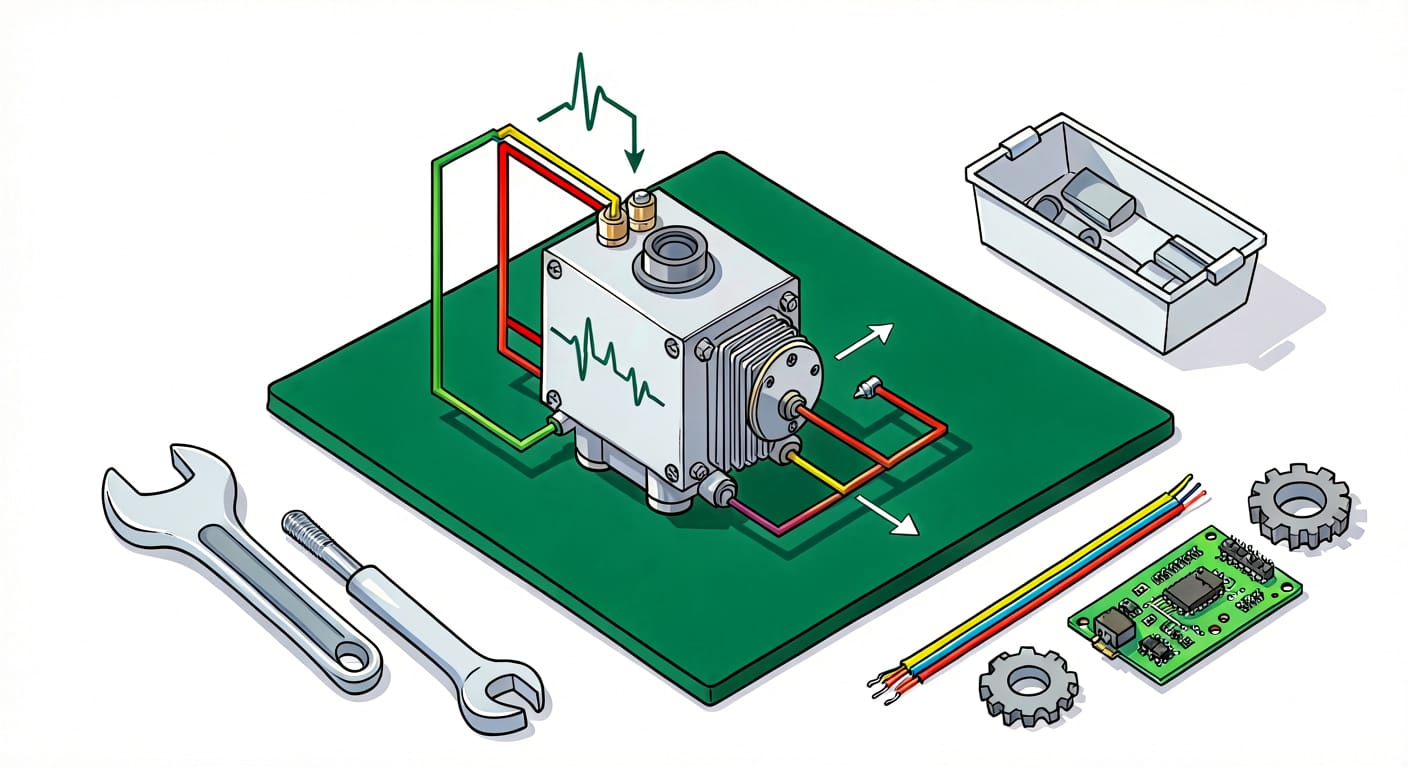
The integrated stepper servo motor (e.g., model STM5776A-CANpen-HB-0FS) is the core actuator of electromechanical systems. Its working principle is to convert electrical pulse signals into precise angular or linear displacement, achieving positioning and speed regulation under open-loop control. The system typically includes subsystems such as the stepper motor, feedback system (optional), driver amplifier, and motion controller. The motor supports the CANpen communication protocol and can execute complex motion sequences through functions such as position mode and origin return mode. Compared to traditional stepper motors, the integrated design features microstepping control, which effectively suppresses vibration and noise during operation by precisely adjusting the phase current (e.g., sinusoidal current profiling), while simultaneously improving torque output stability.
2. Application Solution
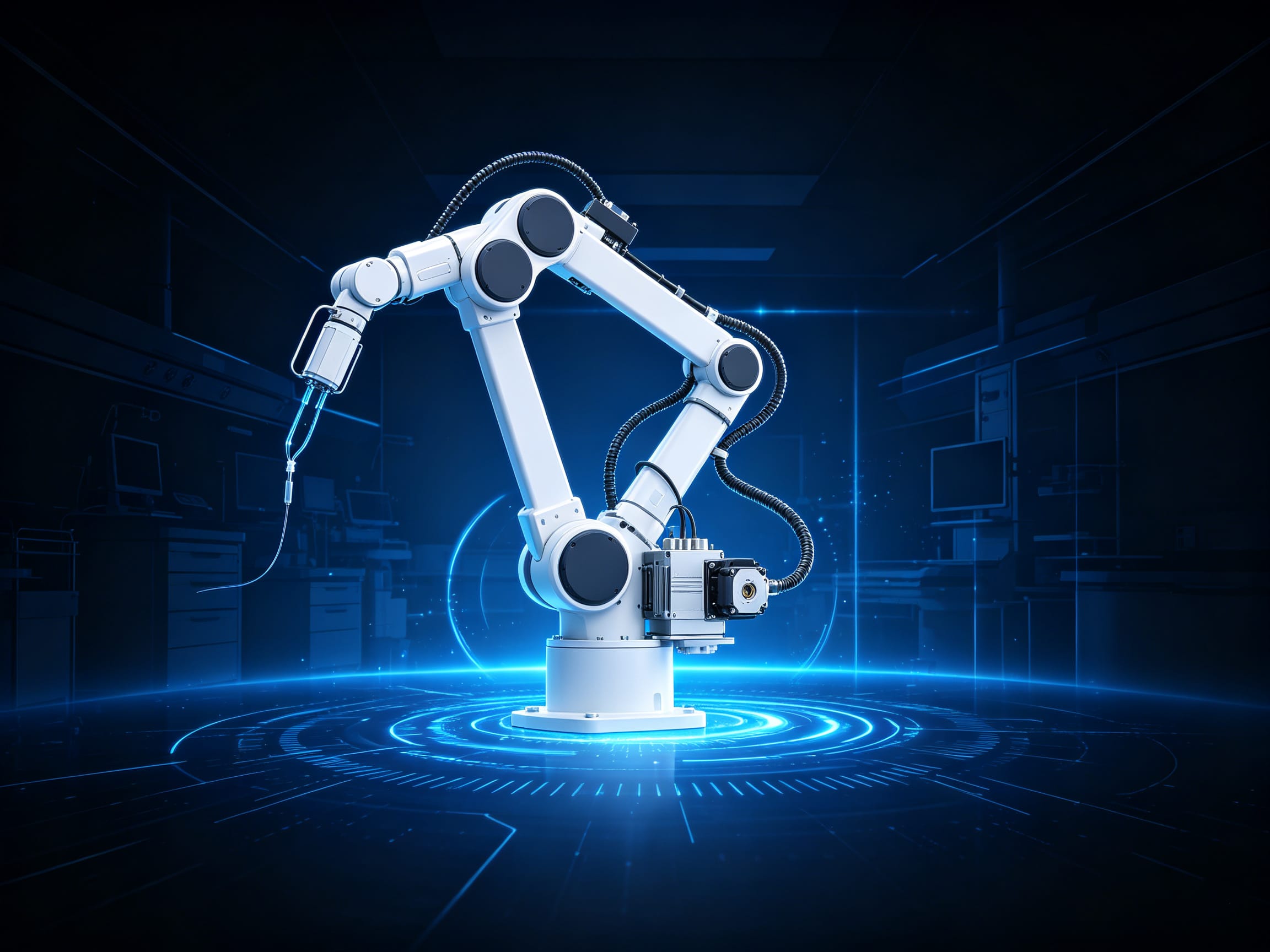
In the medication dispensing equipment, the STM5776A motor drives the rotating mechanism. The control flow is as follows:
Host Computer Command Transmission: The user sends control commands via PC or PLC, which are transmitted to the motor controller through the CANpen protocol.
Multi-Mode Collaboration: The position mode achieves precise angular rotation of the medicine box, while the origin return mode ensures consistent initial positioning for each run.
Real-Time Feedback Optimization: An optional encoder system monitors the actual position and eliminates accumulated errors through closed-loop correction.
3. Application Product
Core Model: STM5776A-CANpen-HB-0FS Integrated Stepper Servo Motor
Key Parameters: Supports microstepping control, adjustable torque, and adapts to combined inertial and frictional load conditions.
4. Problems and Solutions
(1) Operational Stuttering
Problem Analysis: Insufficient torque at low speeds causes jerking in the rotating mechanism.
Solution: Increase the operating current according to load characteristics to ensure stable torque output during start-up and shutdown phases.
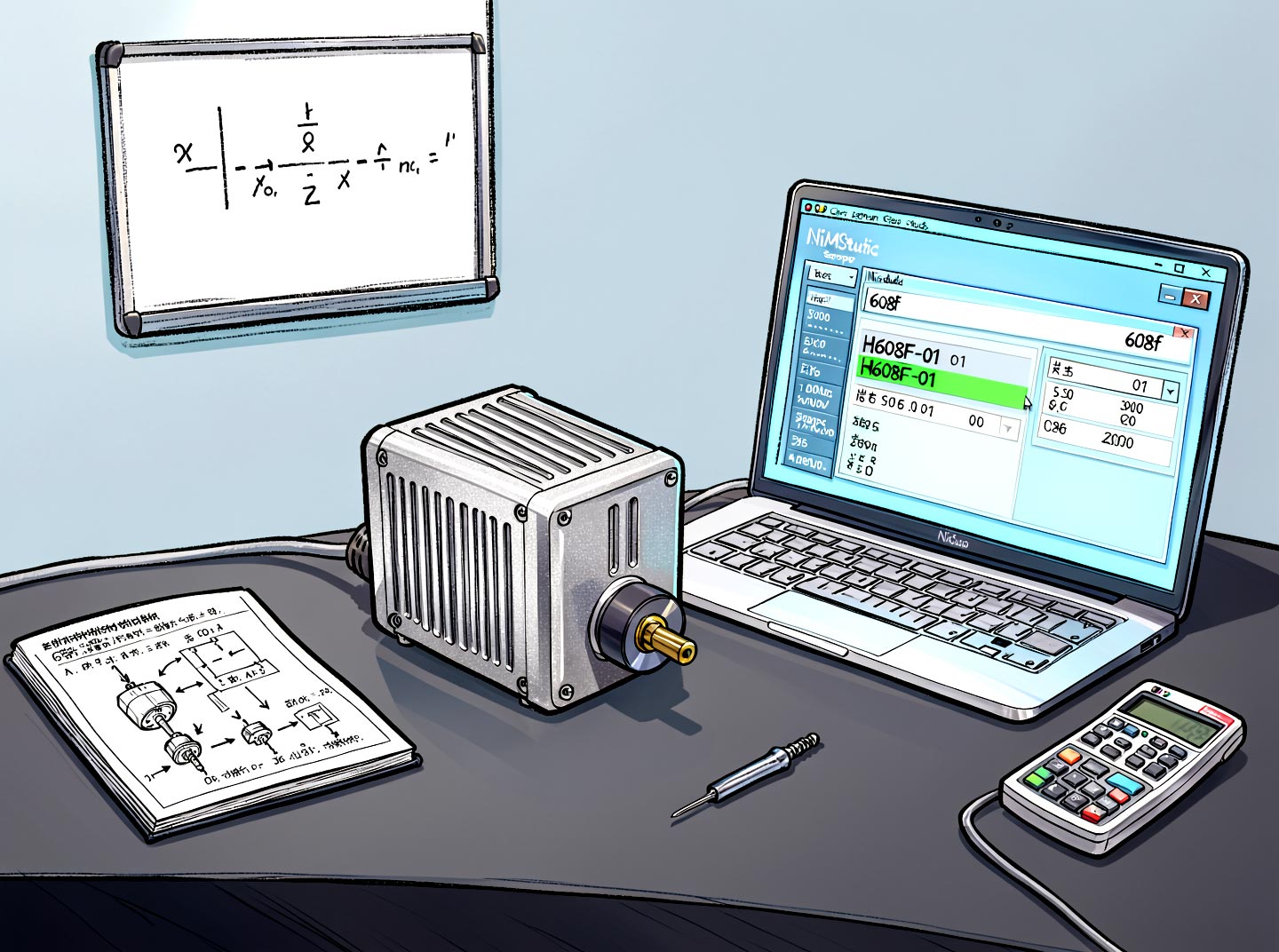
(2) EDS File Configuration Error
Specific Symptom: After importing the EDS file, the system prompts "Object value does not match the corresponding entry."
Solution: Manually modify the
supprtedbjectsparameter value in the EDS file; communication returns to normal after re-importing.
(3) Unexpected Enable Loss During Operation
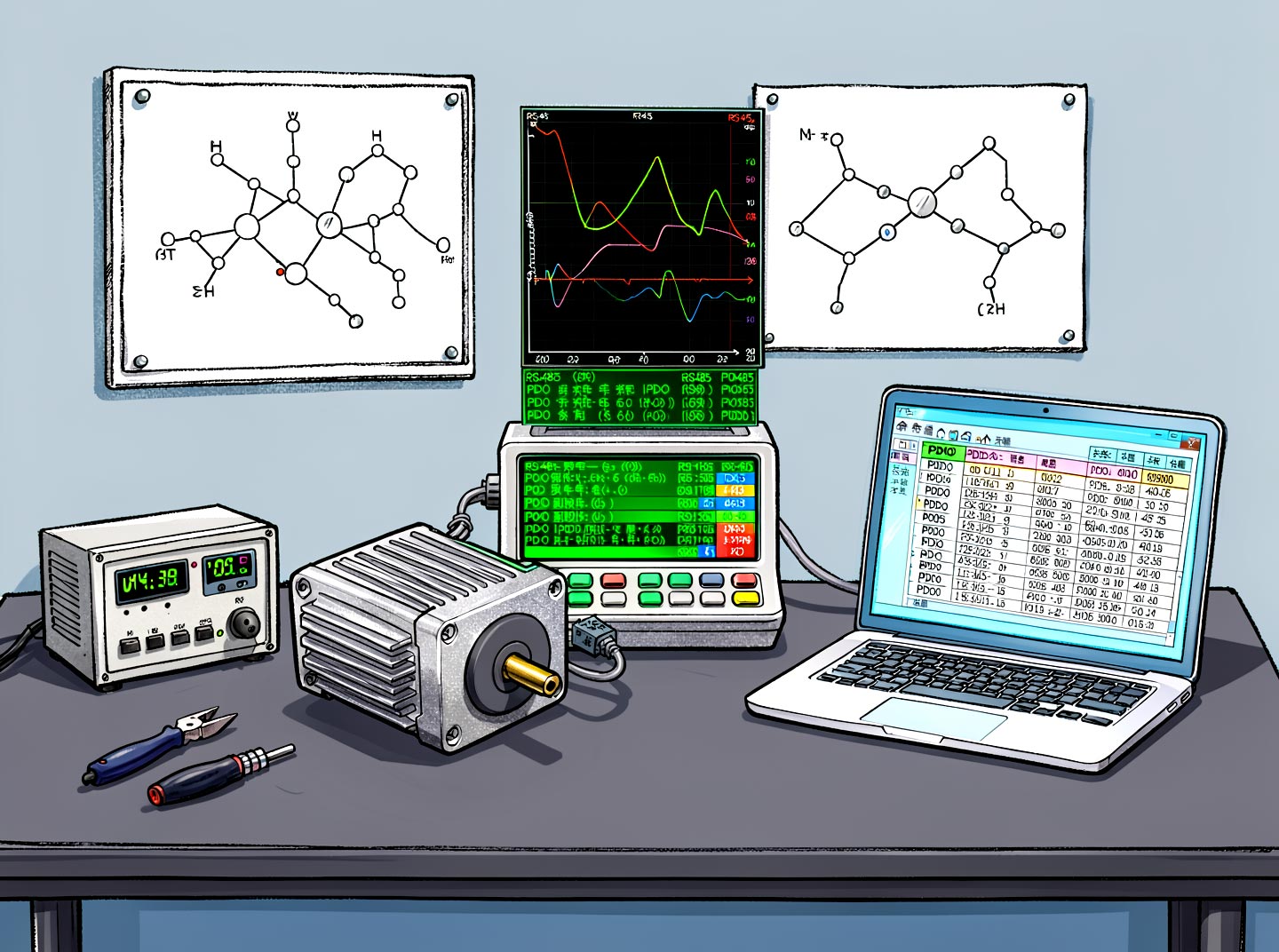
Troubleshooting: Analysis of CANpen message capture revealed that the control word was mistakenly written as 0, causing the driver enable signal to be interrupted.
Optimization Solution: Adjust the user control program logic to avoid sending unintended commands and add a status monitoring mechanism.
5. Summary and Conclusion
This case study validates the applicability of integrated stepper servo motors in high-precision medication dispensing equipment:
Technical Advantages: Integrated design reduces wiring complexity, and fine-tuned control significantly improves motion smoothness;
Practical Value: Through parameter optimization and protocol debugging, typical issues such as stuttering, communication configuration, and enable interruption were resolved, providing a highly reliable motion control solution for medical automation equipment. In the future, with the deep integration of mechatronics technology, stepper servo motors still have room for continuous optimization in areas such as intelligent and adaptive control.