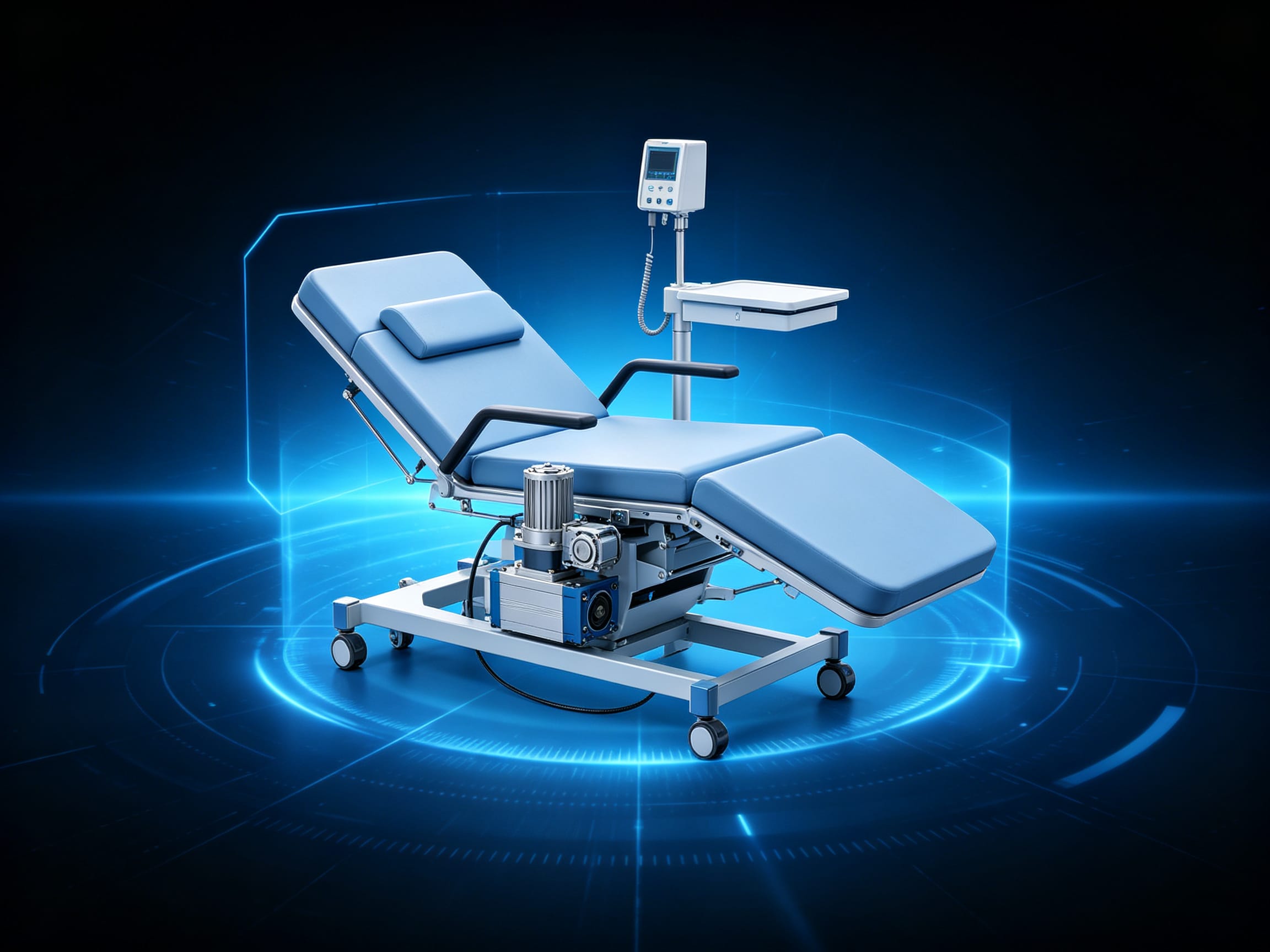
Application of integrated servo motor in venous center robotic arm
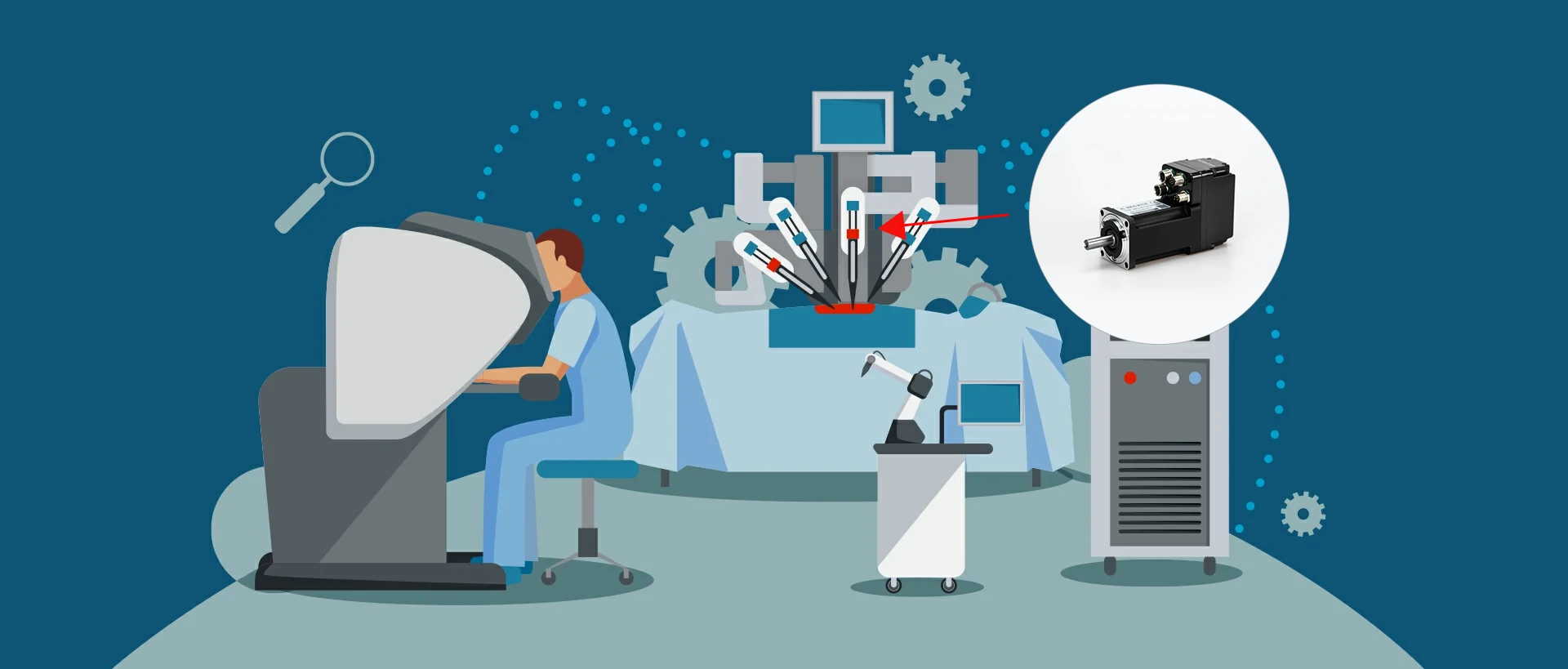
With the continuous advancement of medical technology, robot-assisted surgery has become an important development direction in the field of modern medicine. Among them, the venous center robot arm, as a key component of the surgical robot, plays a vital role in the accuracy, stability and safety of the operation. As one of the core components of the robot arm, the integrated servo motor is also gaining more and more attention in the application of the venous center robot arm.
01.Equipment Introduction
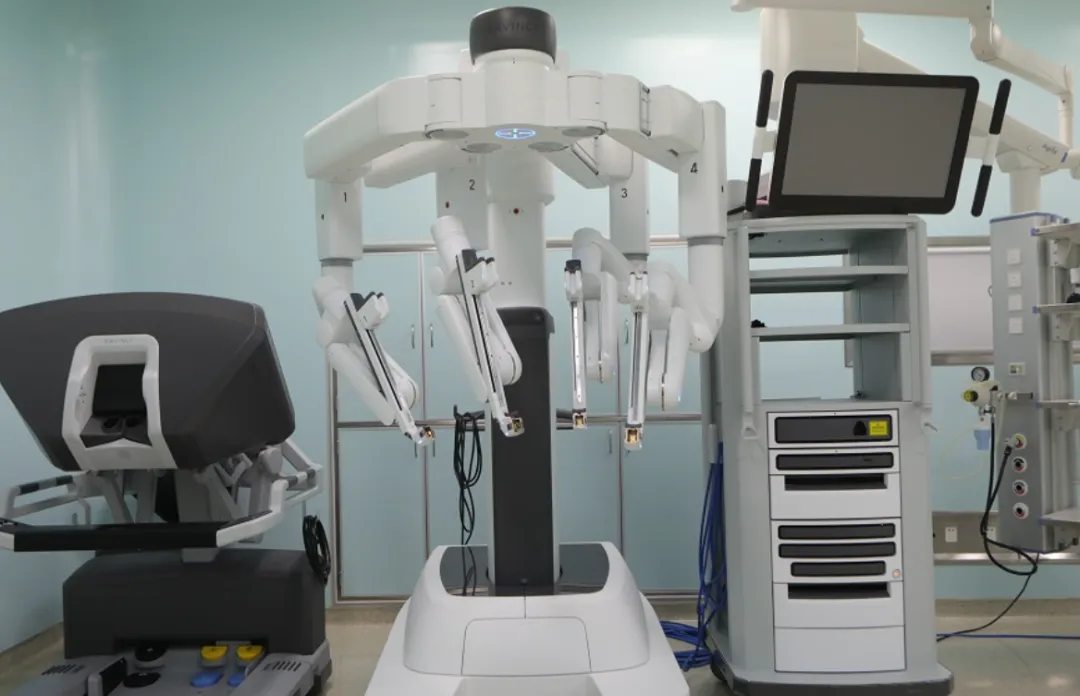
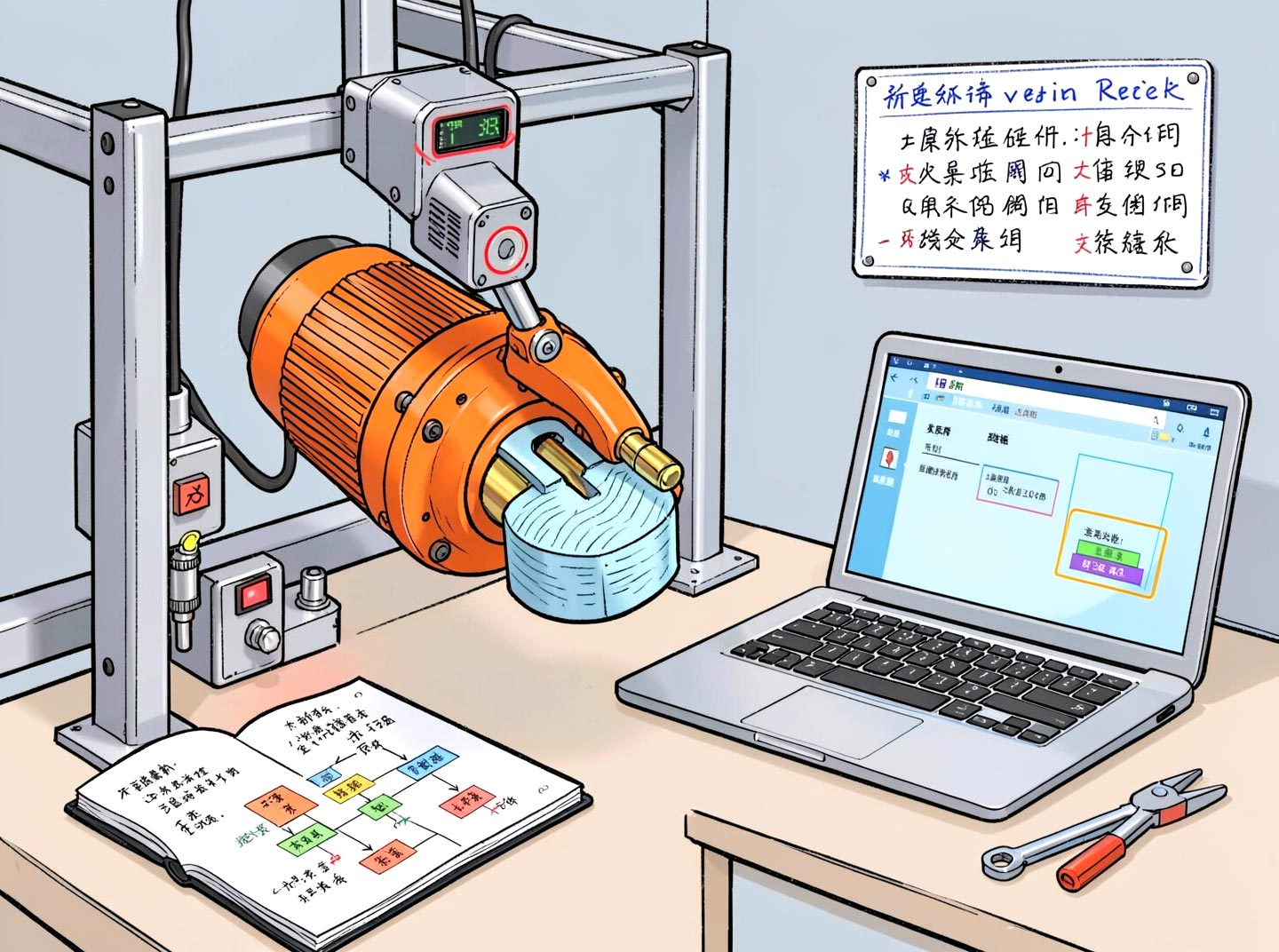
The Venous Center Robotic Arm is an advanced robotic device designed specifically for the medical field, mainly used to assist doctors in performing precise venous puncture, drug injection and other surgical operations. The device combines the flexibility and precision of the robotic arm with the professionalism of medical technology to provide a more efficient and safer solution for modern medical operations. The venous center robotic arm uses high-precision sensors and advanced control systems to obtain real-time information on the location and morphology of the patient's veins, and processes and analyzes them through precise algorithms. Based on this information, the robotic arm can accurately locate the target vein and perform puncture operations at a stable speed and force, greatly reducing errors and injuries during the operation.
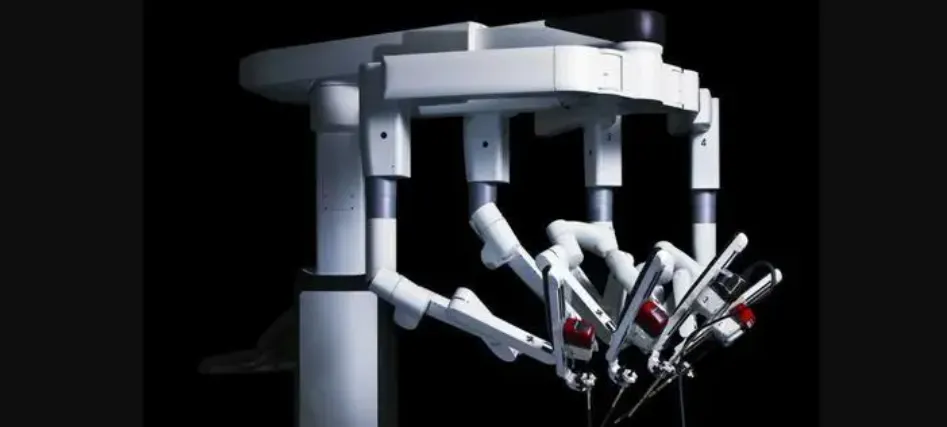
The multiple joints of the robotic arm can rotate and extend flexibly to adapt to the body shape and vein location of different patients.
In the venous center robotic arm, the integrated servo motor is mainly used to drive the various joints of the robotic arm to achieve precise position control, speed control and force control. By precisely controlling the rotation angle and speed of the motor, the robotic arm can accurately perform various surgical operations, such as vascular puncture and drug injection. At the same time, the high load capacity of the integrated servo motor also ensures the stability and reliability of the robotic arm during long-term surgery.
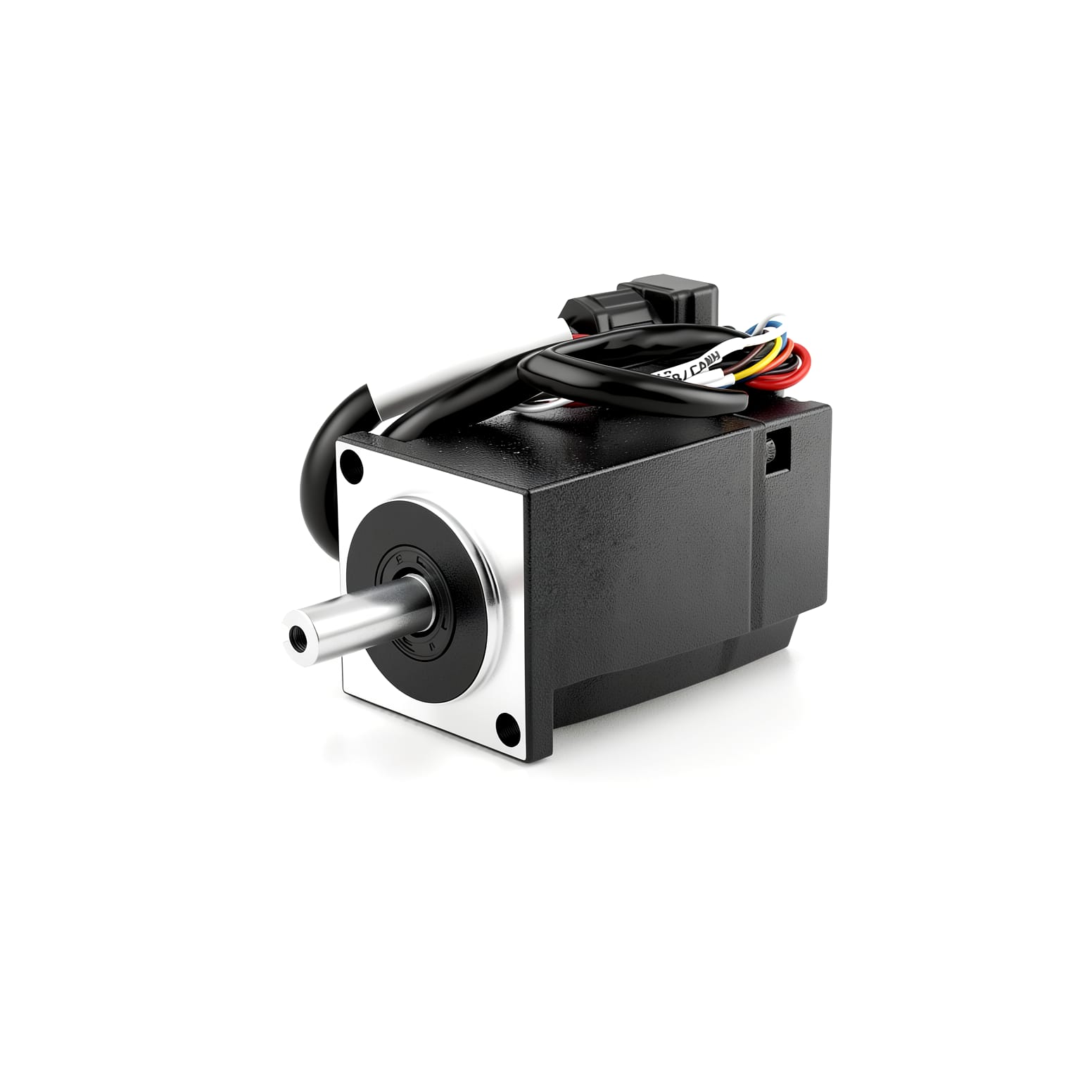
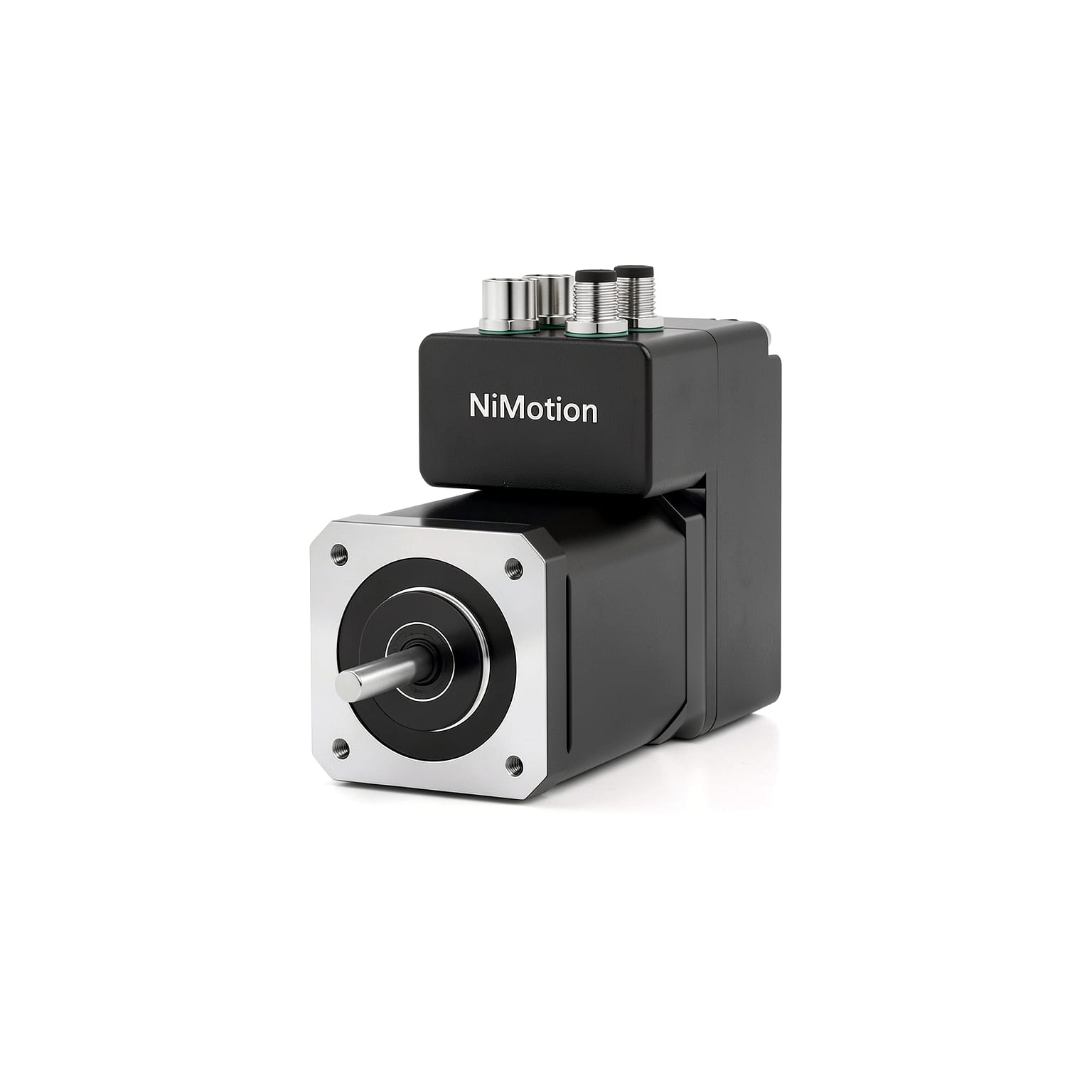
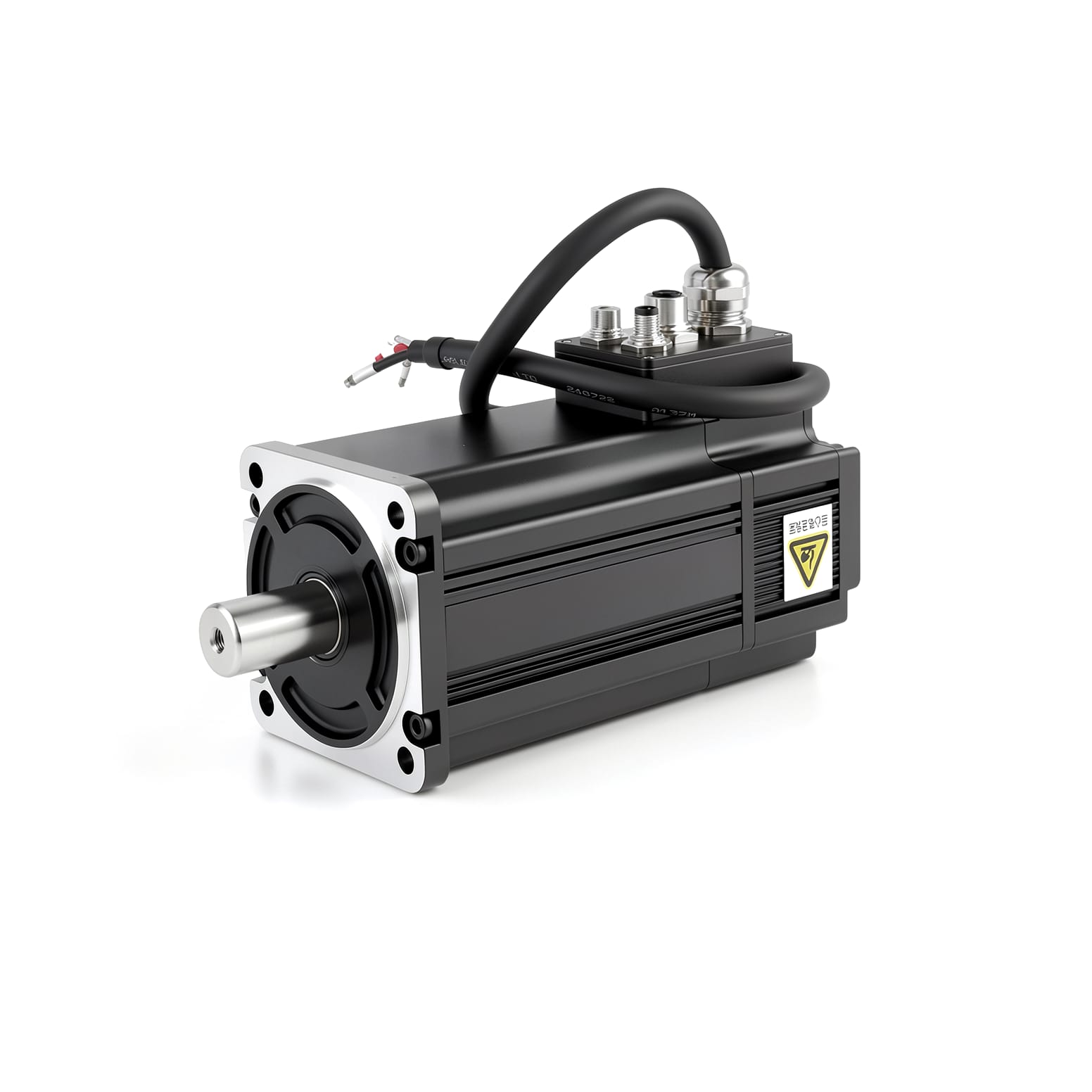
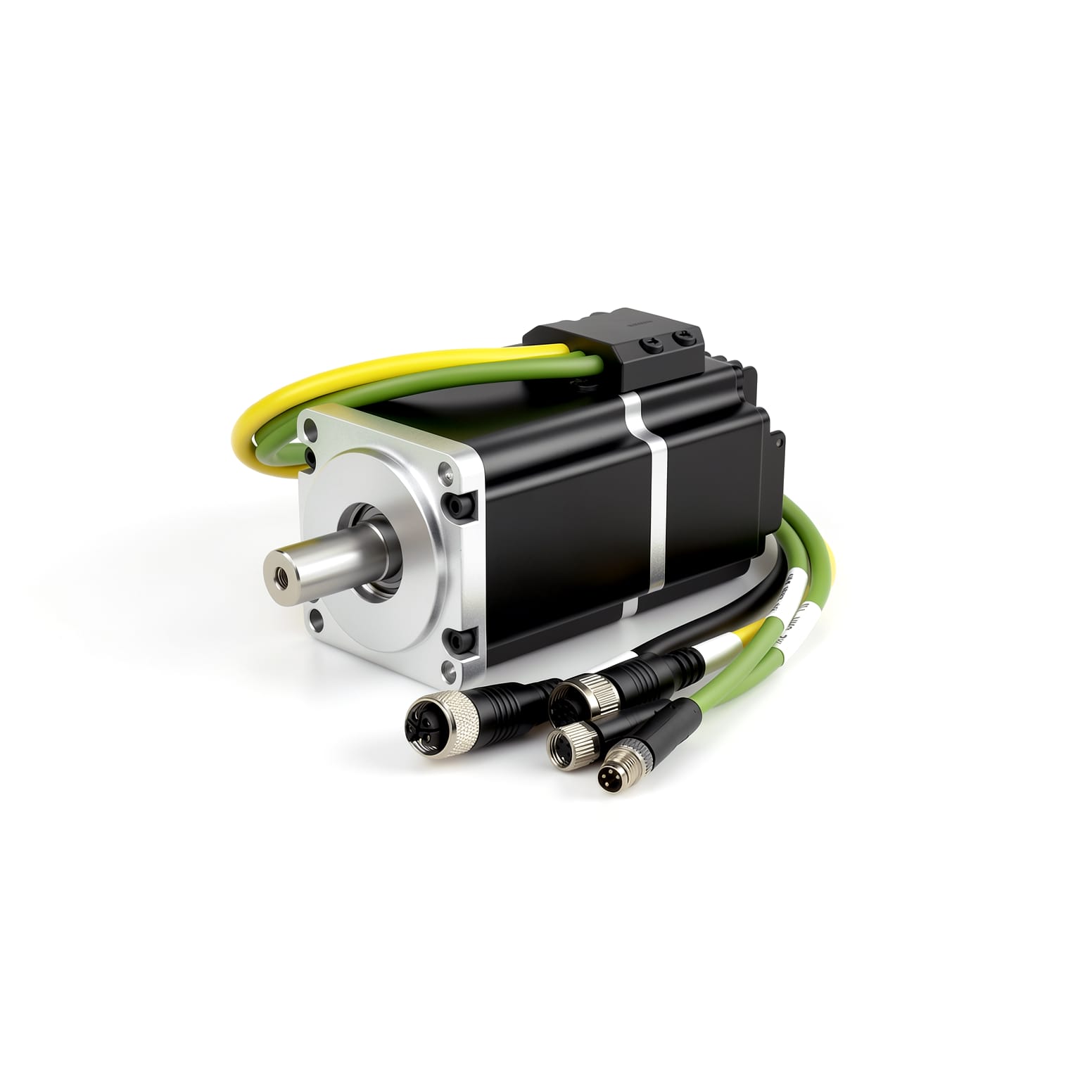
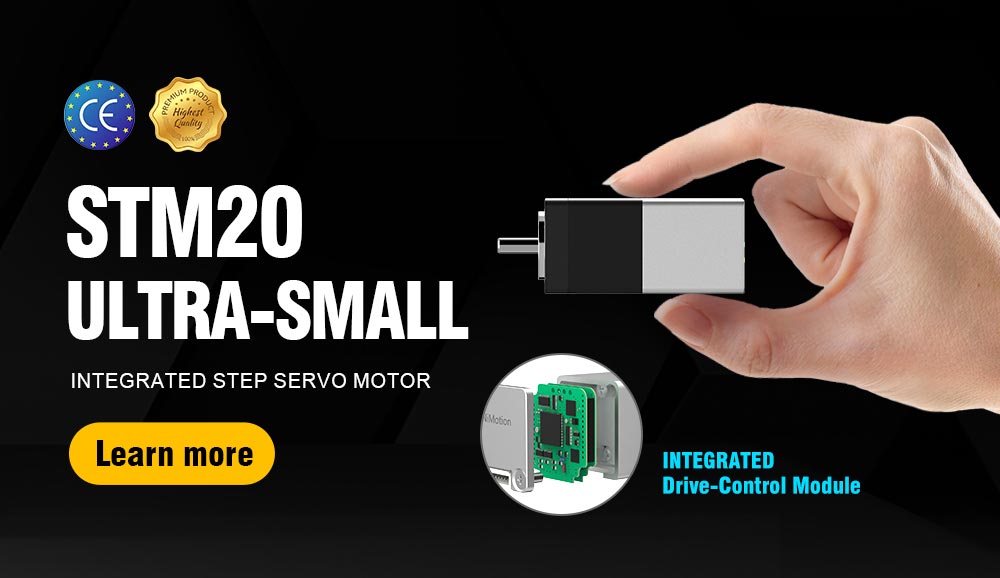
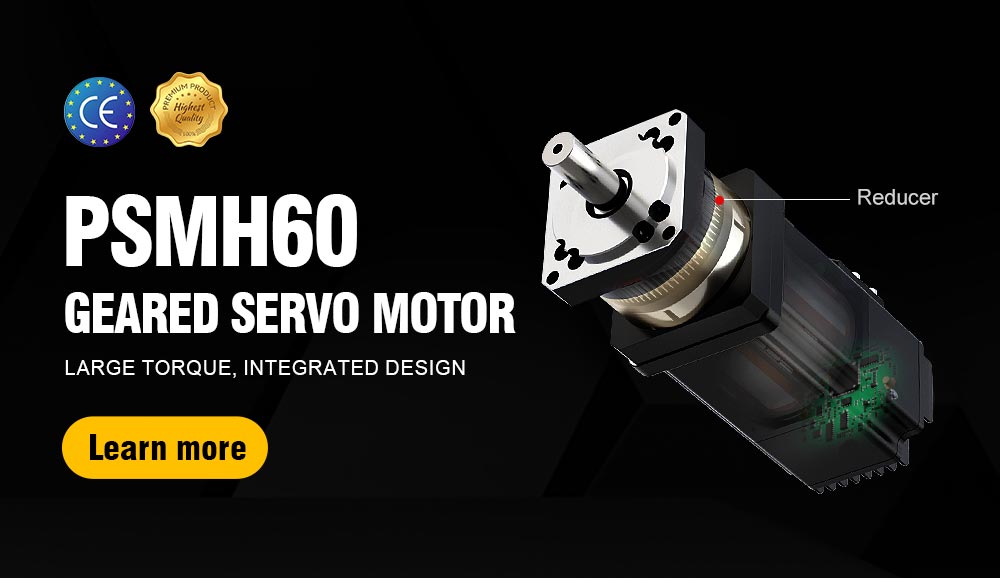
The integrated servo motor is a high-performance motor system that integrates a driver, encoder and servo motor. Compared with traditional motors, the integrated servo motor is compact, easy to use and low-cost, which makes it show great potential in the medical field, especially in the application of intravenous center robotic arms.
02.Solution
The perfect combination of the integrated servo motor and the venous center robotic arm not only improves the accuracy and efficiency of the surgery, but also reduces the difficulty and labor intensity of the operation for medical staff. At the same time, due to the precise operation of the robotic arm, it also reduces the damage to the patient during the operation, further improving the success rate of the surgery and the patient's recovery speed.
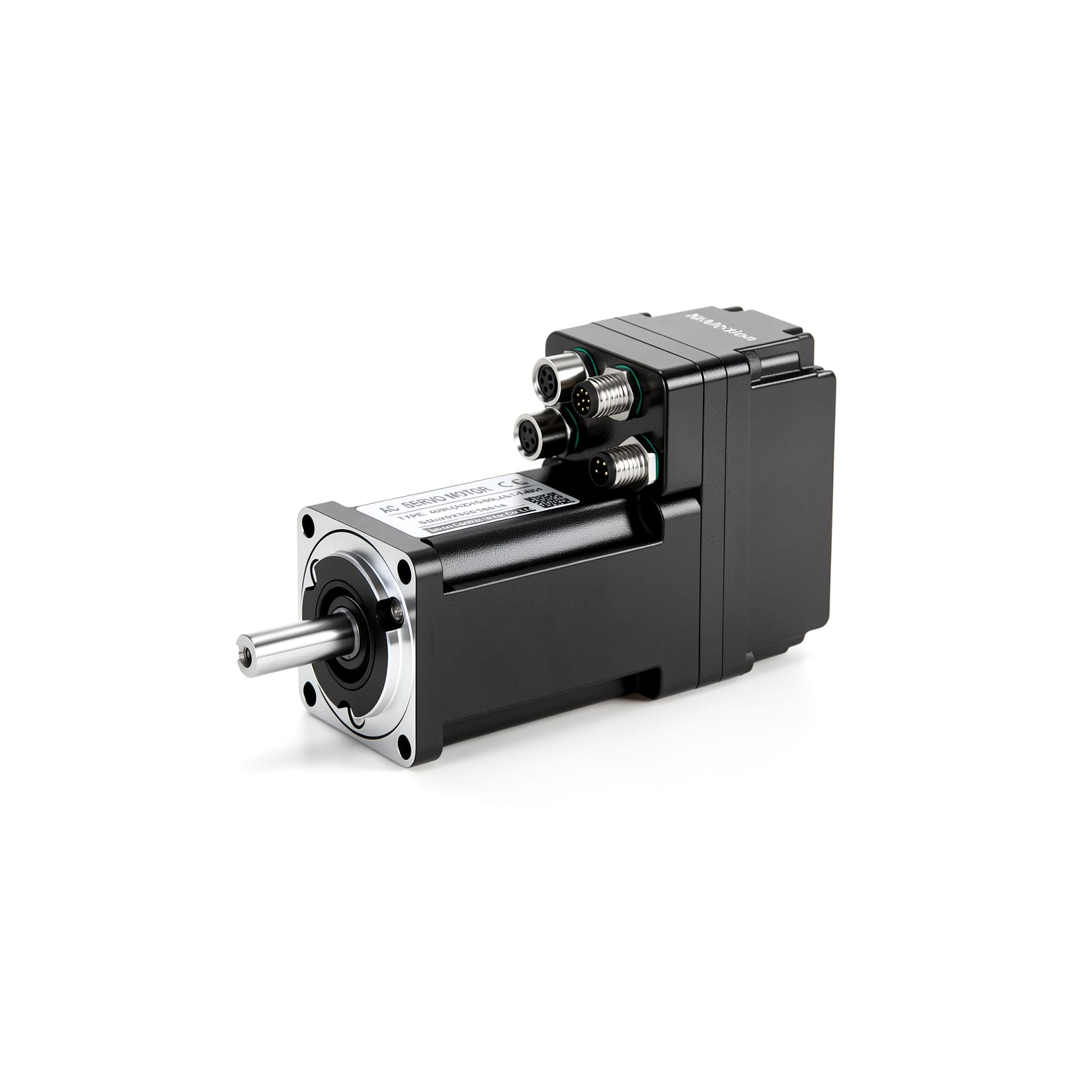
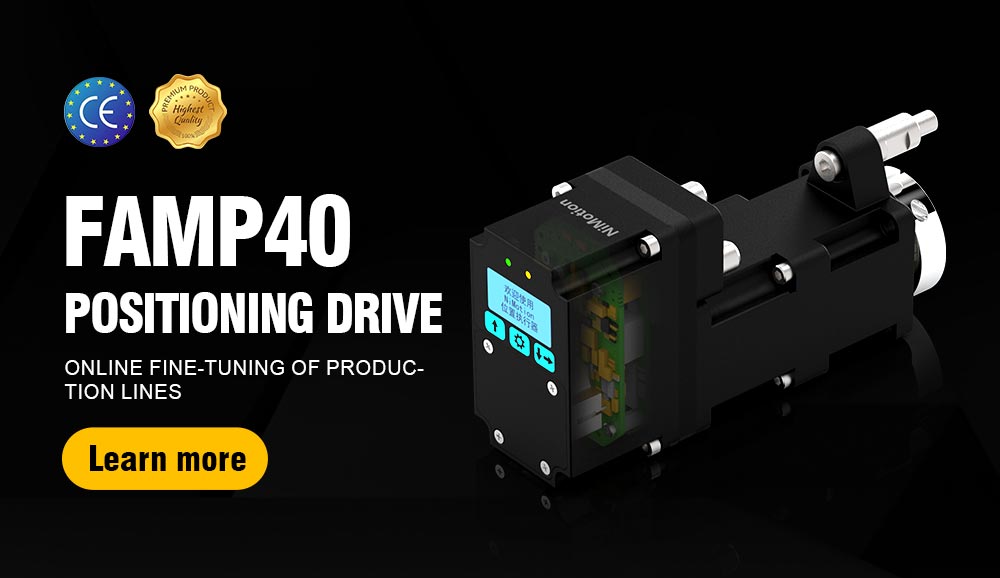
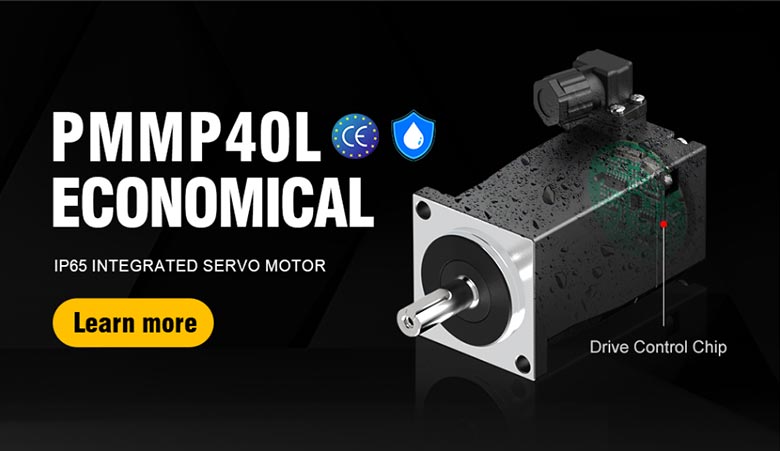
In the application, the motion controller needs to manage 24 PMMP40 integrated servo motors at the same time and achieve efficient and stable position control through the EtherCAT communication protocol.
03.Advantages of integrated servo motor
High integration improves the portability of equipment: The integrated servo motor integrates functional modules such as servo motor, servo driver, encoder and controller, which greatly reduces the size and weight of the equipment. At the same time, it simplifies system wiring and reduces potential failure points.
Flexibility to meet diverse needs: The integrated servo motor supports CANopen/Modbus communication and can be flexibly controlled and adjusted as needed to adapt to different work requirements.
High-precision positioning improves measurement accuracy: The integrated servo motor has high positioning accuracy and can achieve high-precision positioning of mobile equipment.
Multiple control modes: support PP, VM, PV, PT, HM, IP, CSP, CSV, CST standard modes; support NiMotion position mode, NiMotion speed mode, NiMotion torque mode.
High-speed response improves equipment efficiency: The integrated servo motor has a fast response speed and can quickly adjust the angle and position of the detection equipment. This means that the detection unit can obtain sample information more quickly, improving the working efficiency and responsiveness of the equipment.
Complete alarm function: The integrated servo motor can detect hardware failures in time to avoid affecting system operation. It is equipped with multiple safety protection functions. The LED flashing alarm can intuitively display the current status of the motor. It also has protection functions such as overvoltage/undervoltage, overheating, overcurrent, and stall alarm.