Application Case of Integrated Stepper Motor in Light-Shielding Baffles of Semiconductor Equipment
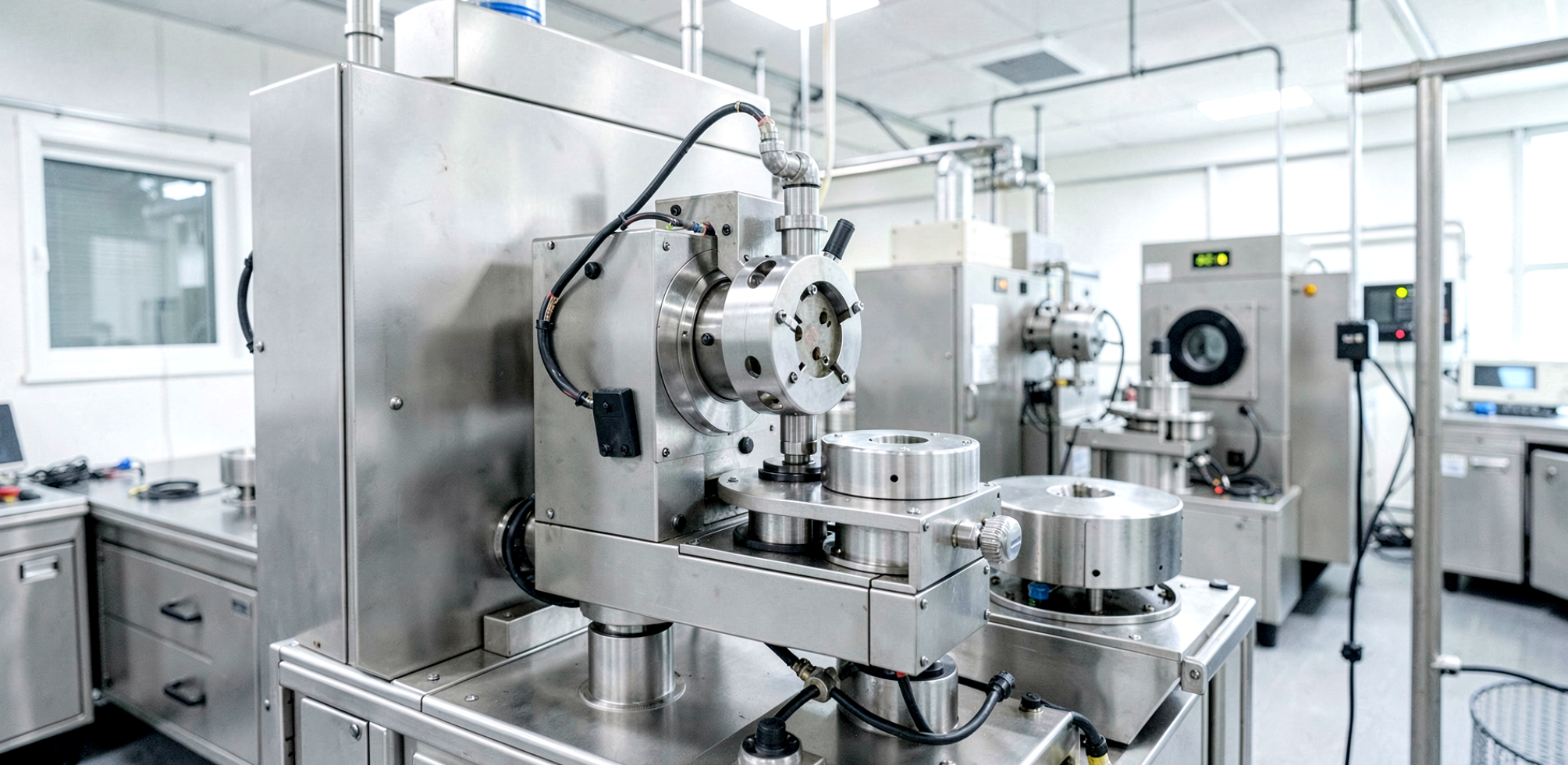
In semiconductor manufacturing processes, precise optical control and light-shielding operations are crucial to equipment performance and wafer processing quality. As a key actuator, the light-shielding aperture baffle needs to achieve rapid and reliable position switching with micron-level precision to control the passage or blockage of light. Traditional transmission solutions may suffer from mechanical collisions, noise, and decreased reliability due to complex structures, slow response times, or positioning errors. This article, using a specific customer case, introduces the efficient application of an integrated stepper motor in the light-shielding aperture baffle of semiconductor equipment. It focuses on how, through simplified design, high-precision positioning, and intelligent control strategies, it solves the challenges of position deviation and noise in actual operation, thereby improving the overall stability and lifespan of the equipment.
1. Application Solution
Equipment Introduction
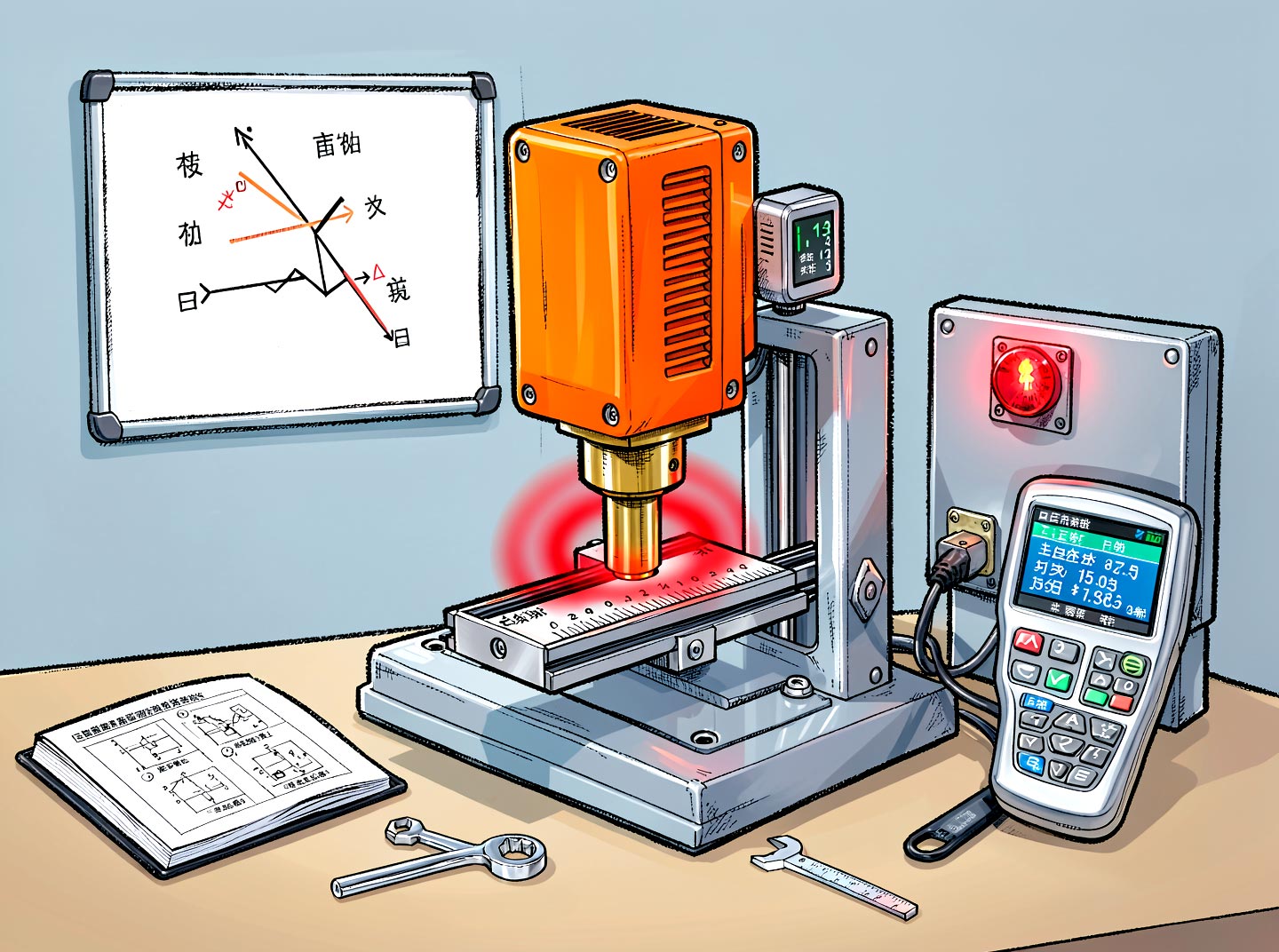
The reciprocating motion control of the light-shielding aperture baffle in semiconductor equipment requires rapid and precise switching between two points: fully open (point A) and fully closed (point B) to achieve precise on/off switching of the light path.
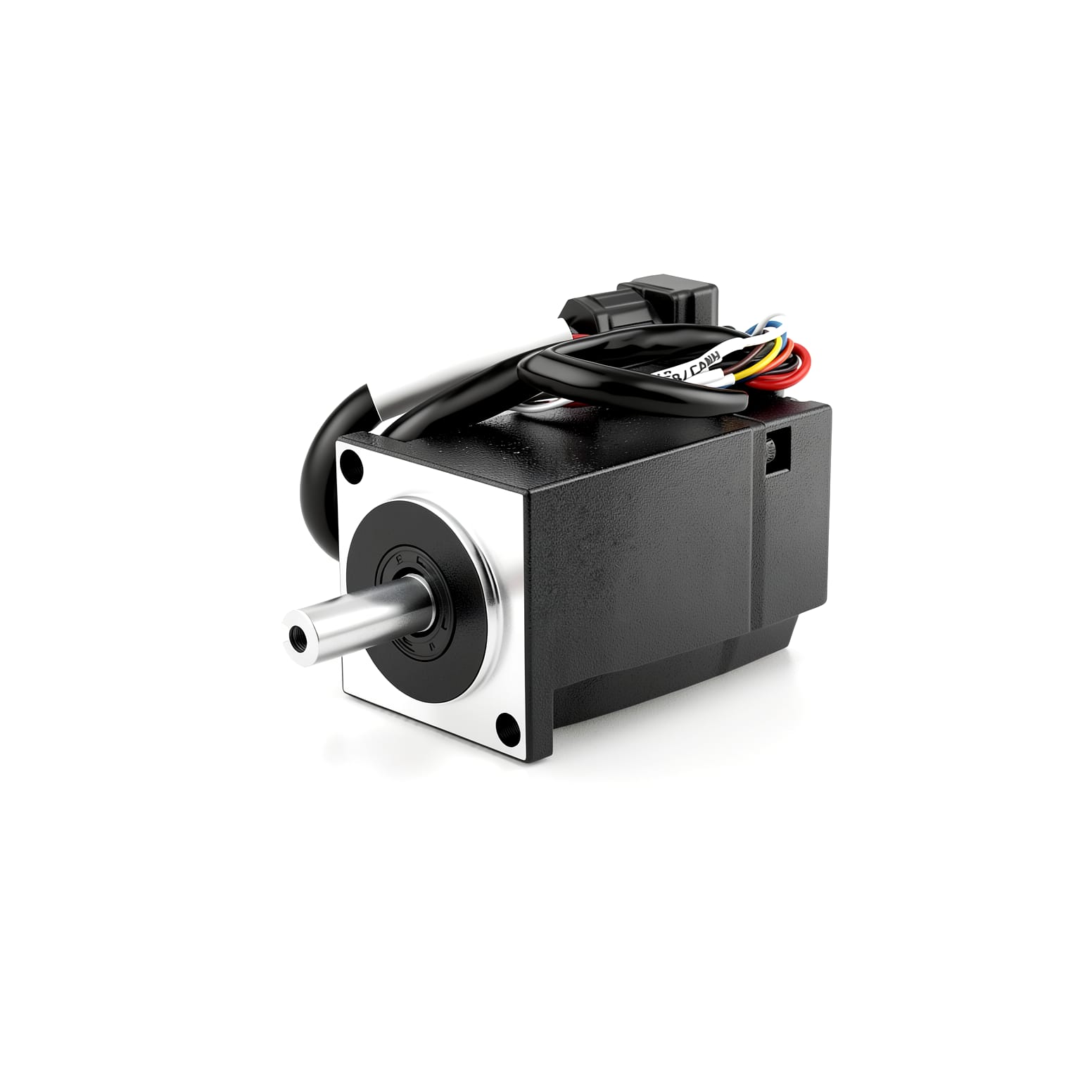
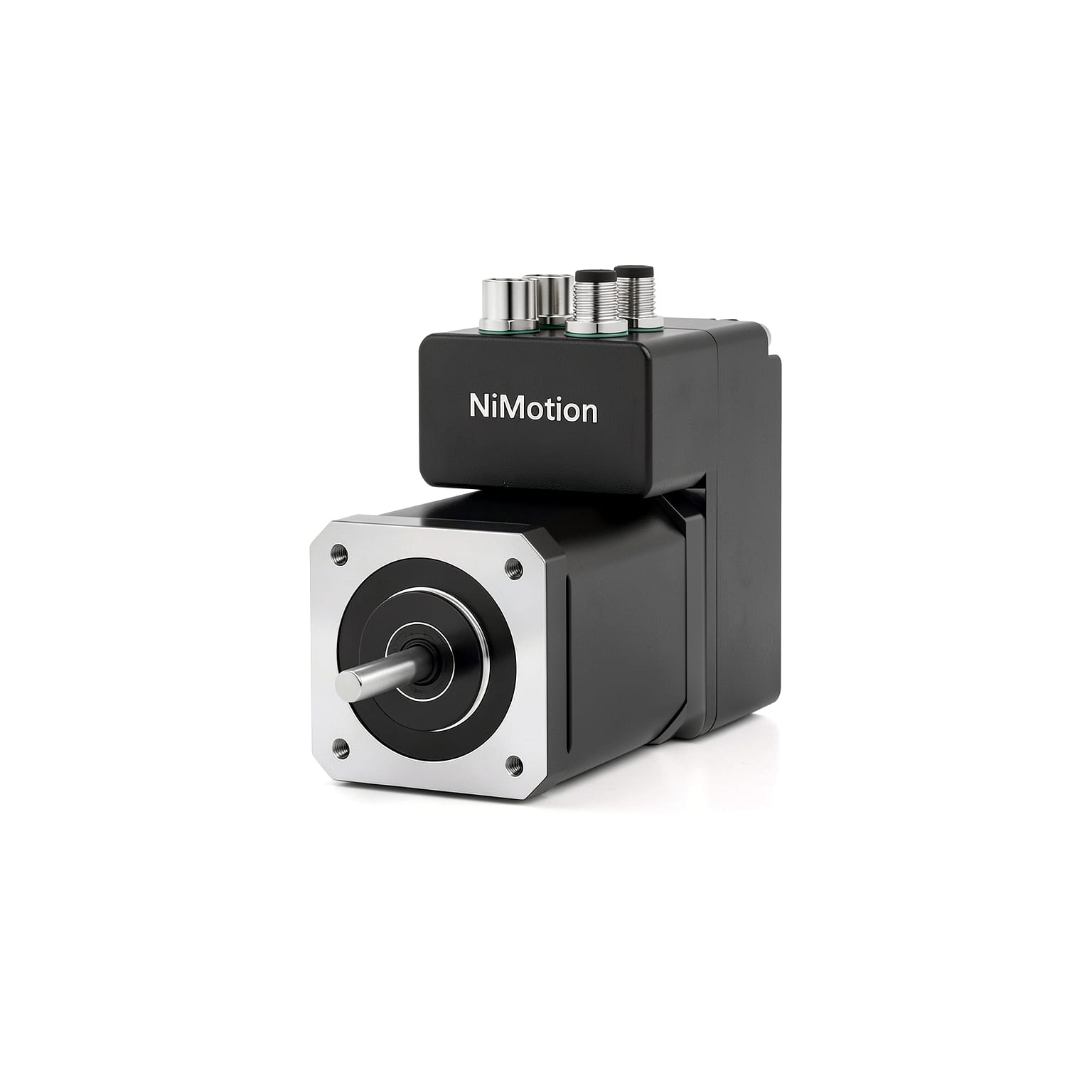
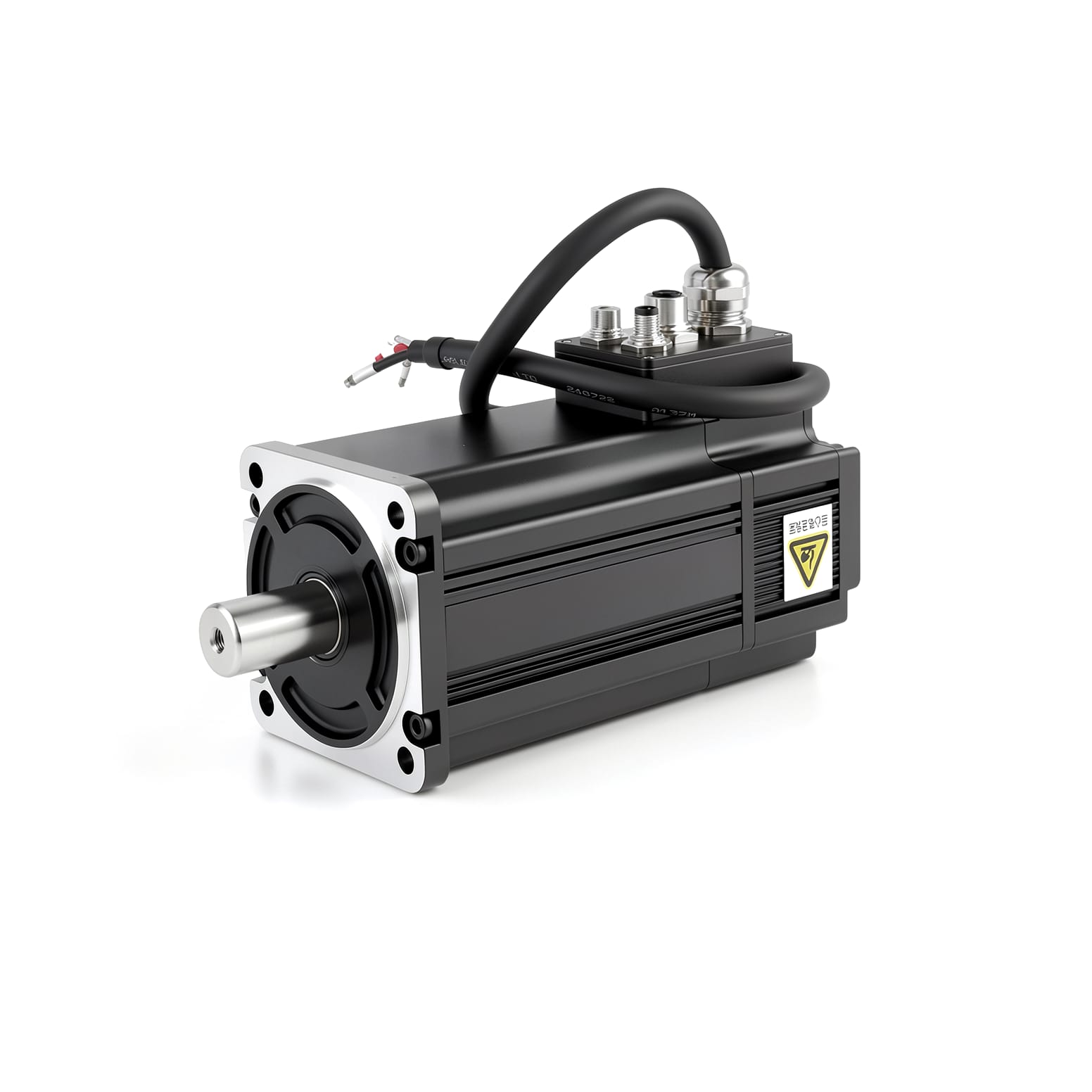
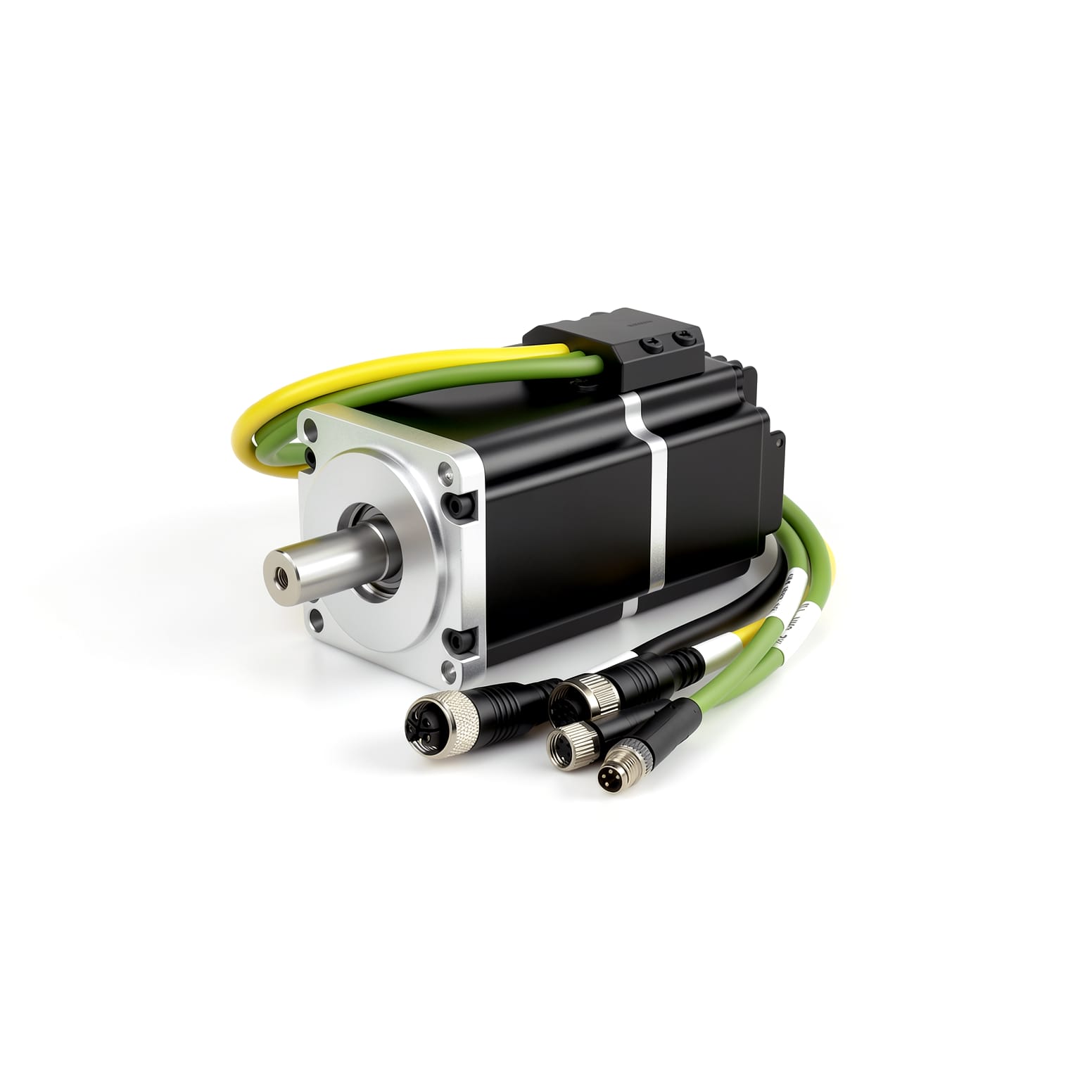
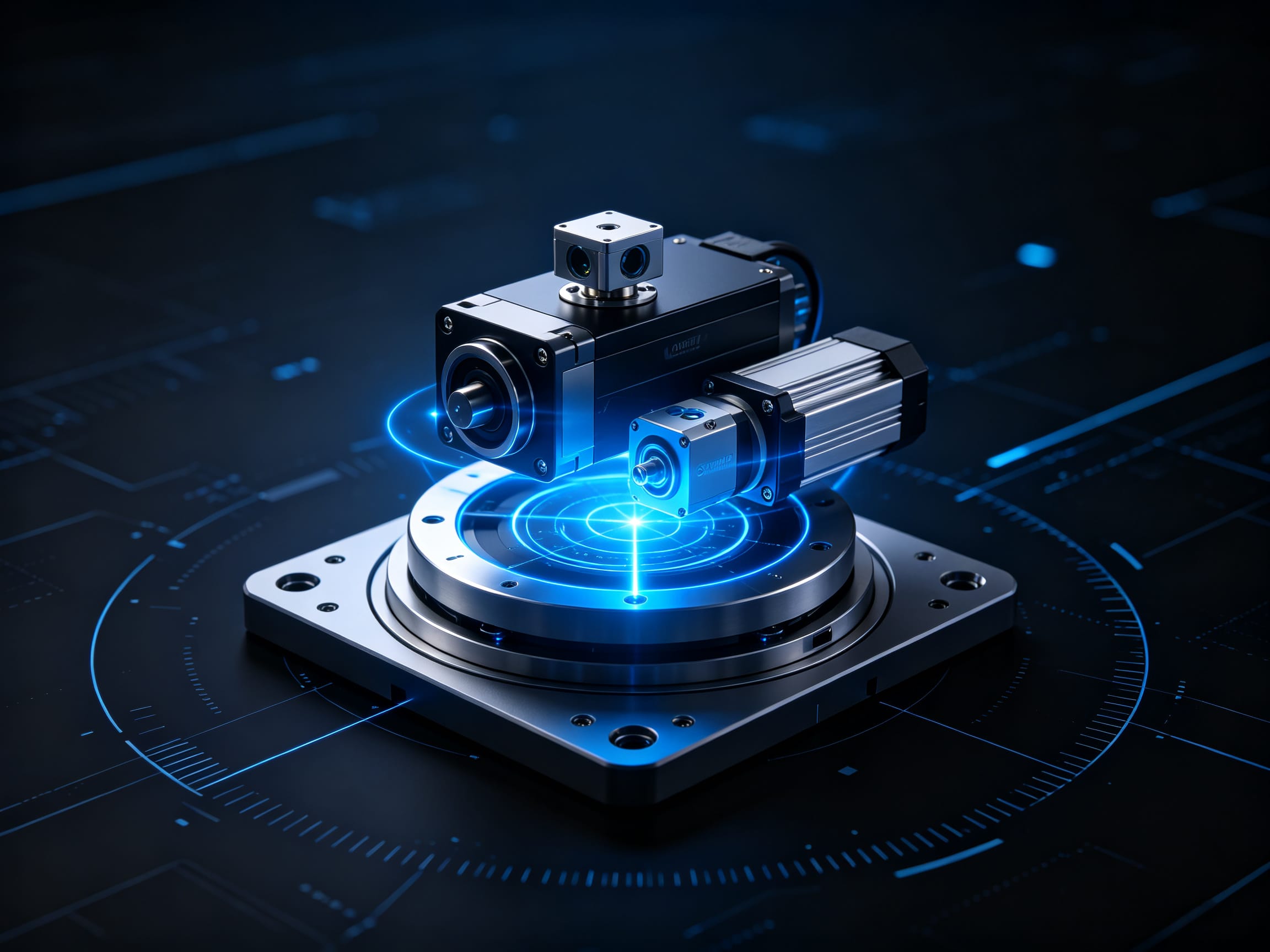
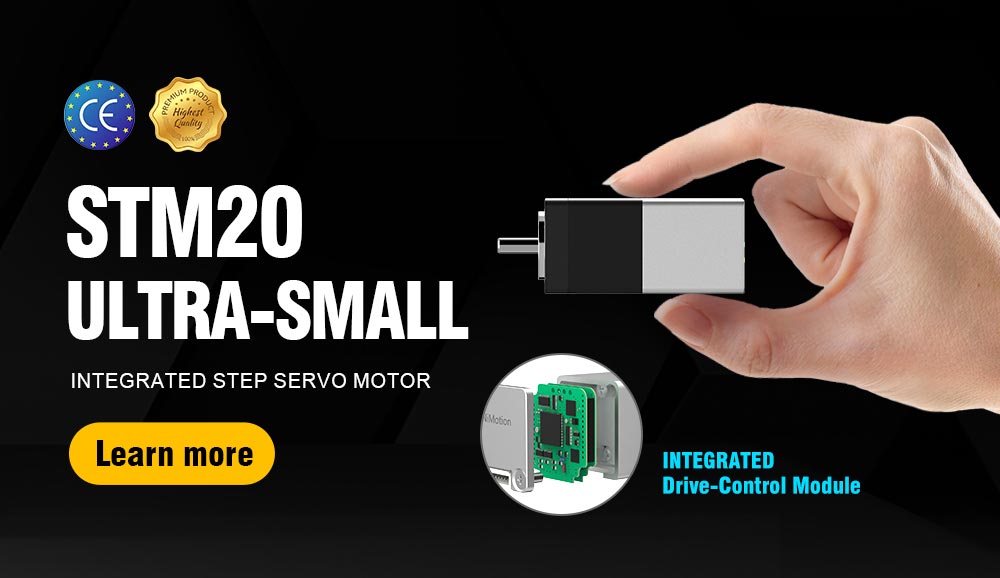
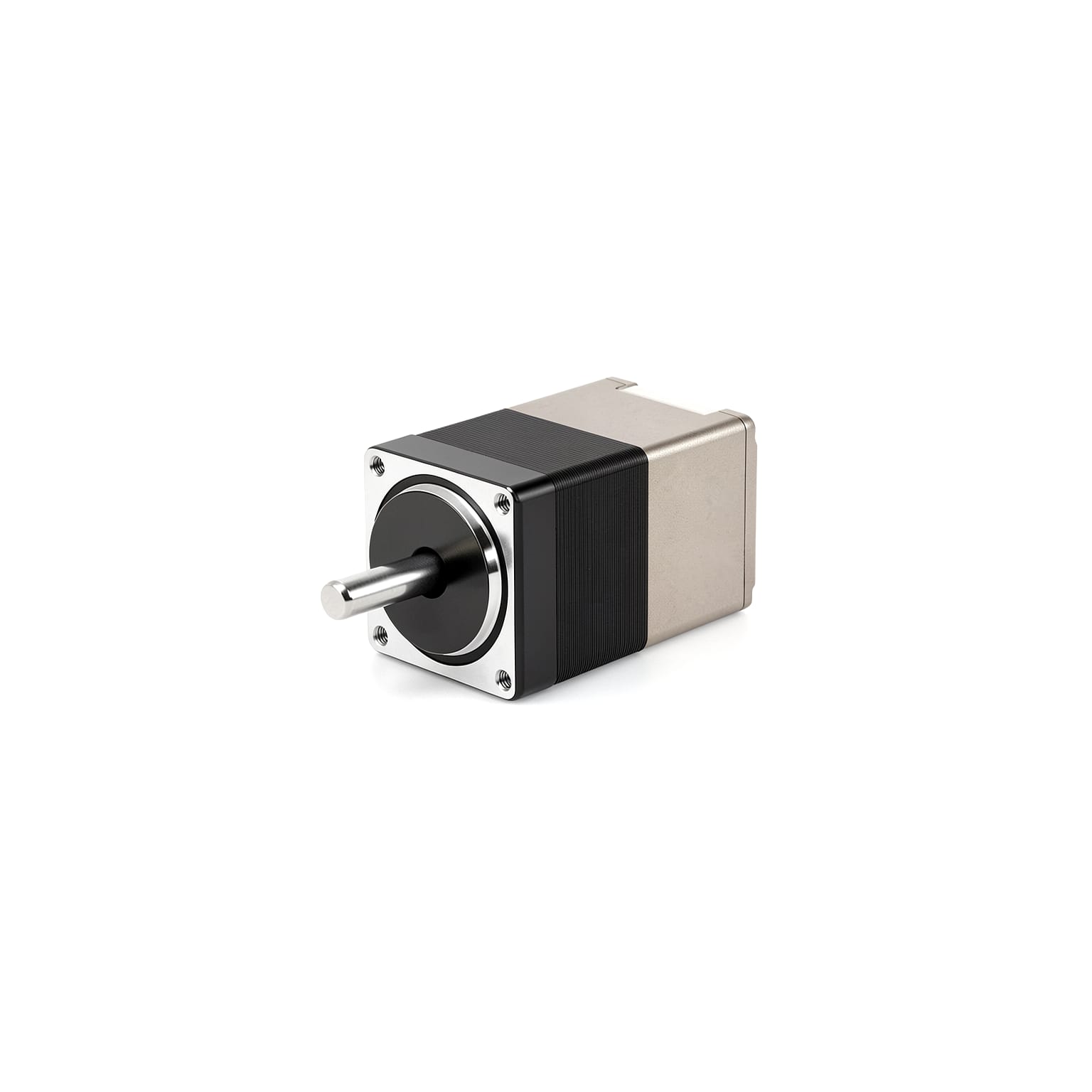
Selected Model: STM2832A-485-0FS Integrated Stepper Motor
Core Function: Contour Position Mode (Pre-programmed multi-segment position trajectory control)
2. Application Products
3. Problems and Solutions
Problem: When the customer uses the motor to drive the baffle to repeatedly move between points A and B, occasional positional deviations occur, causing the baffle to collide with the mechanism and generating high-frequency knocking noise, affecting equipment stability and lifespan.
Root Cause Analysis: Mechanical assembly tolerances, load inertia changes, or cumulative pulse signal errors may cause overtravel; traditional open-loop control lacks position feedback correction, and accumulated deviations lead to collisions.
Solution:
1. Optimize Mechanical Limit Design: Based on the customer's requirement for "fully open/closed," the theoretical distance between points A and B was remeasured and reduced, making the actual movement range slightly smaller than the mechanical limit travel, ensuring that even slight overtravel will not cause collisions with the mechanism.
2. Enable single-revolution position homing function: Through the motor's internal memory mechanism, the absolute positions of points A and B are consistently corrected based on the encoder signal within each revolution, eliminating accumulated errors and ensuring repeatability.
3. Refine motion parameters by combining contour position mode: Smooth acceleration and deceleration curves are set in the position mode to reduce start-stop shock and further minimize vibration and noise risks.
Implementation Results: After the above adjustments, the baffle movement is smooth, with no further impacts or high-frequency noise, significantly improving equipment reliability.
4. Summary
This case study demonstrates the successful application of an integrated stepper motor in the control of semiconductor light-shielding aperture baffles, effectively solving typical problems of position deviation and mechanism collisions. This solution highlights the advantages of mechatronics design in improving equipment compactness, control accuracy, and reliability, providing a referable engineering example for motion control of semiconductor and similar high-precision automated equipment.