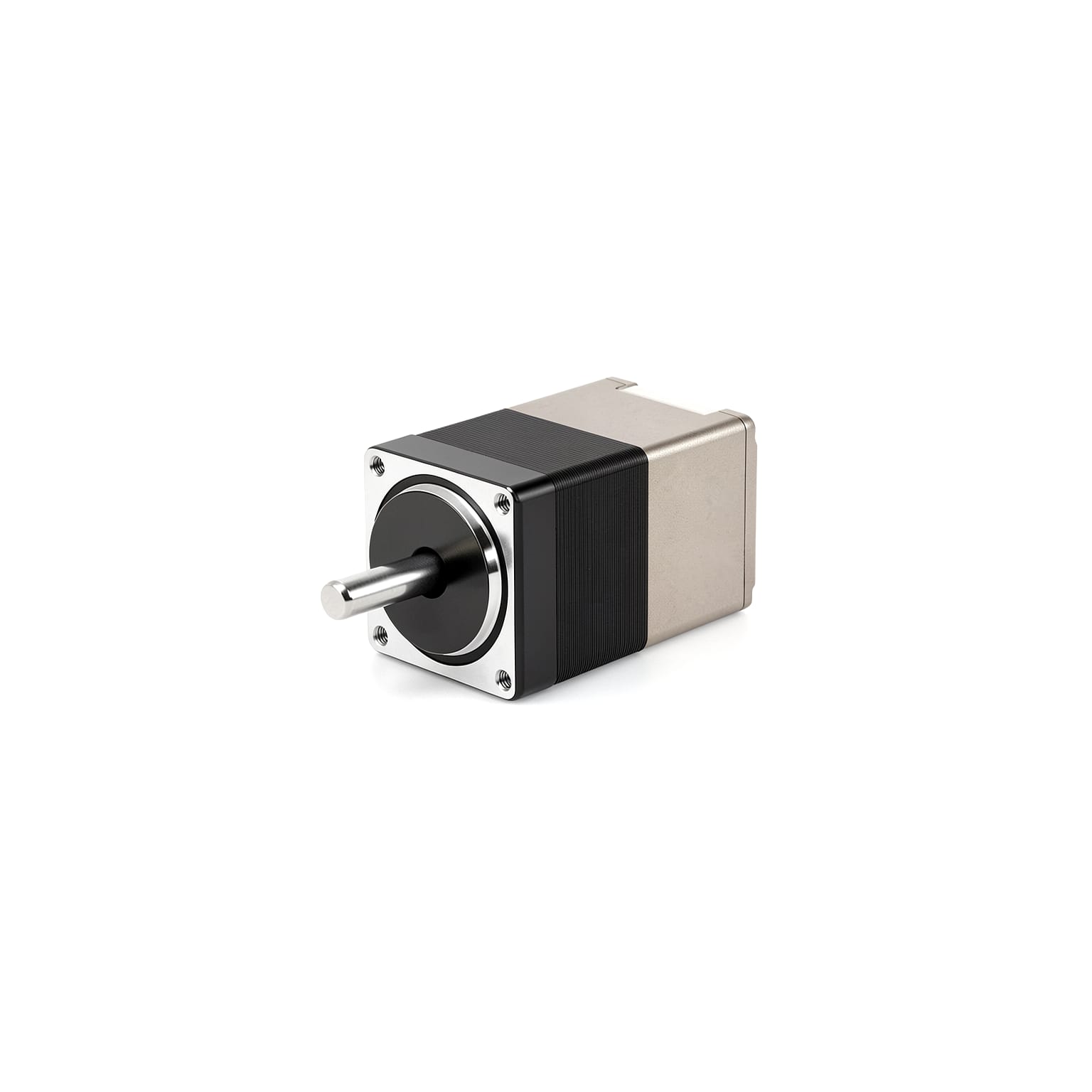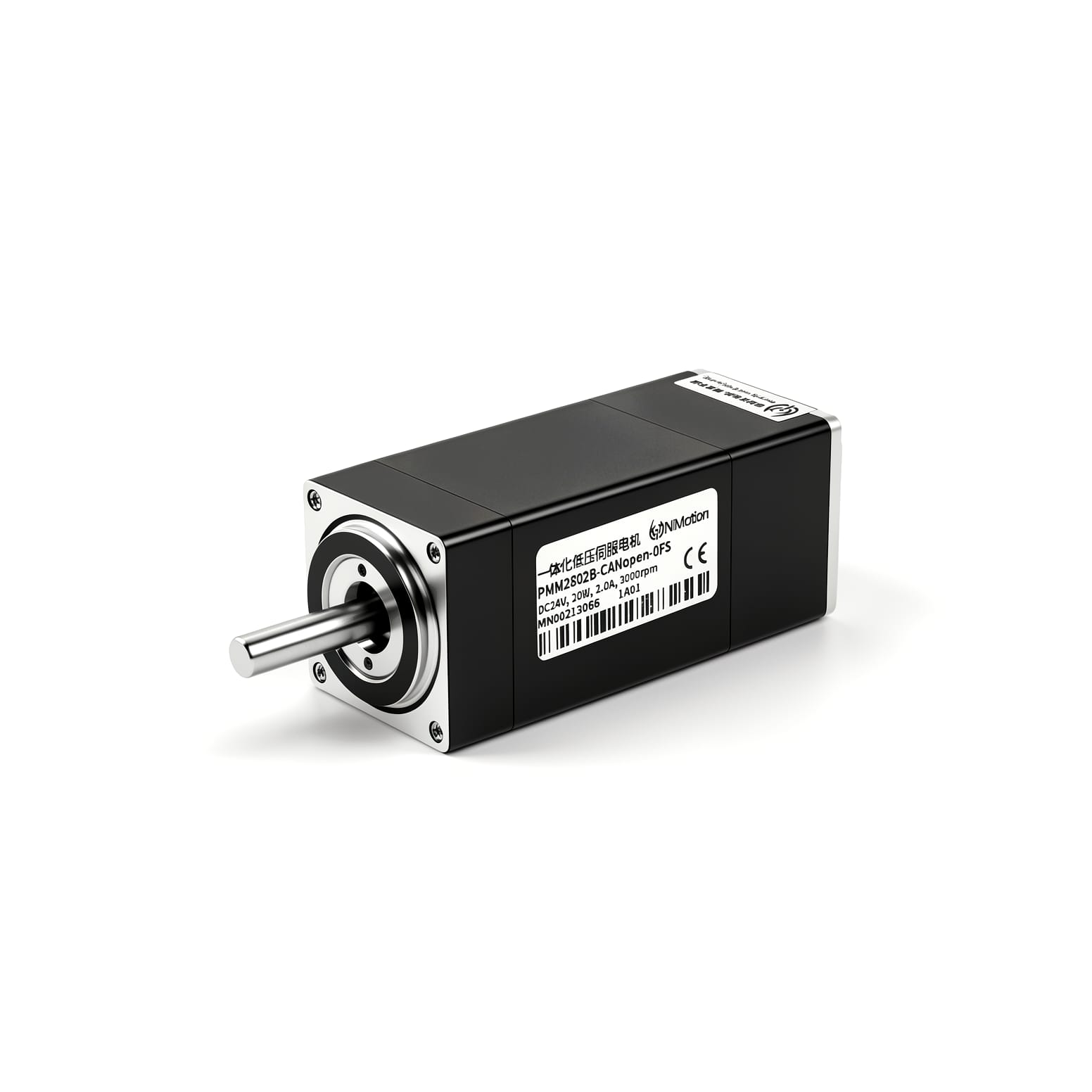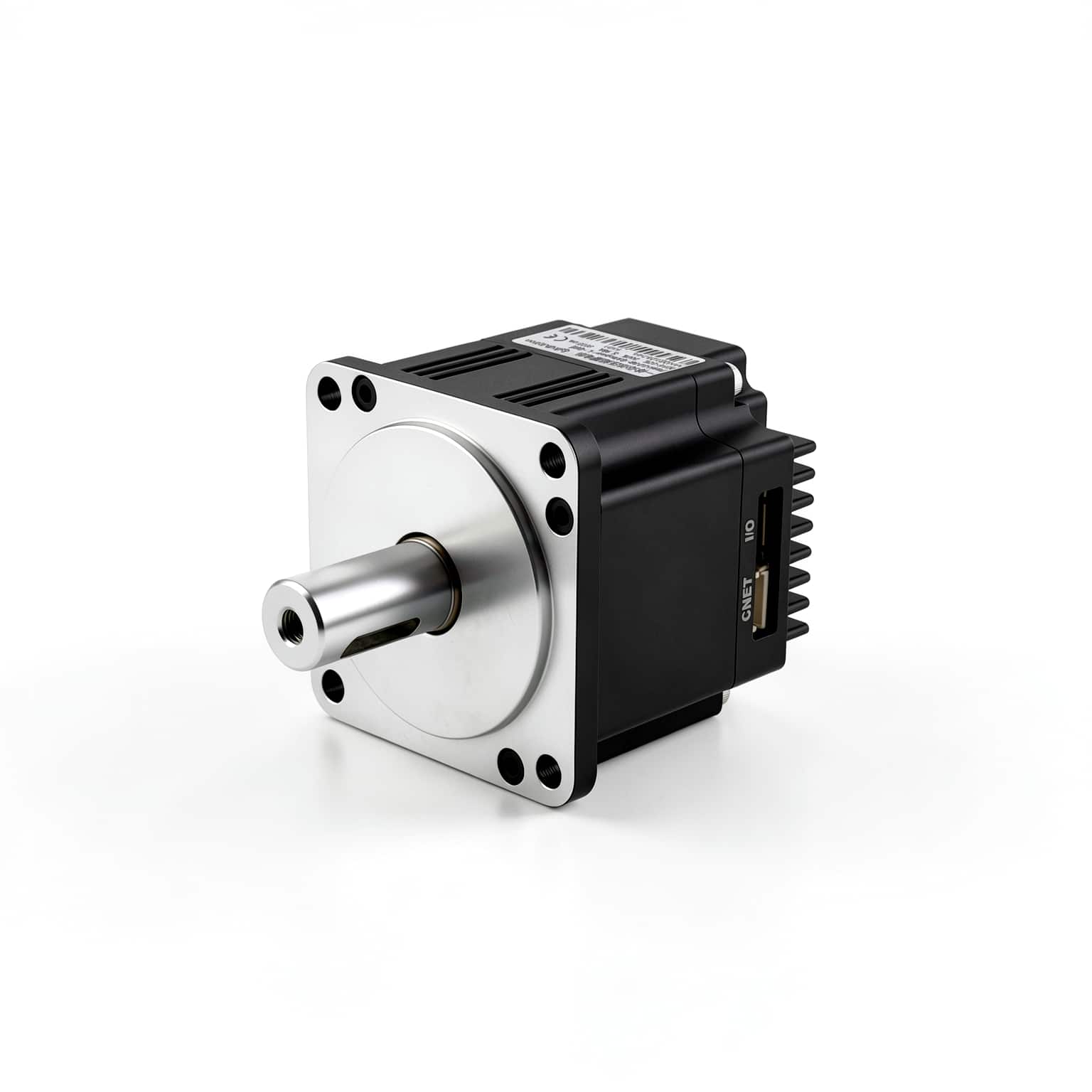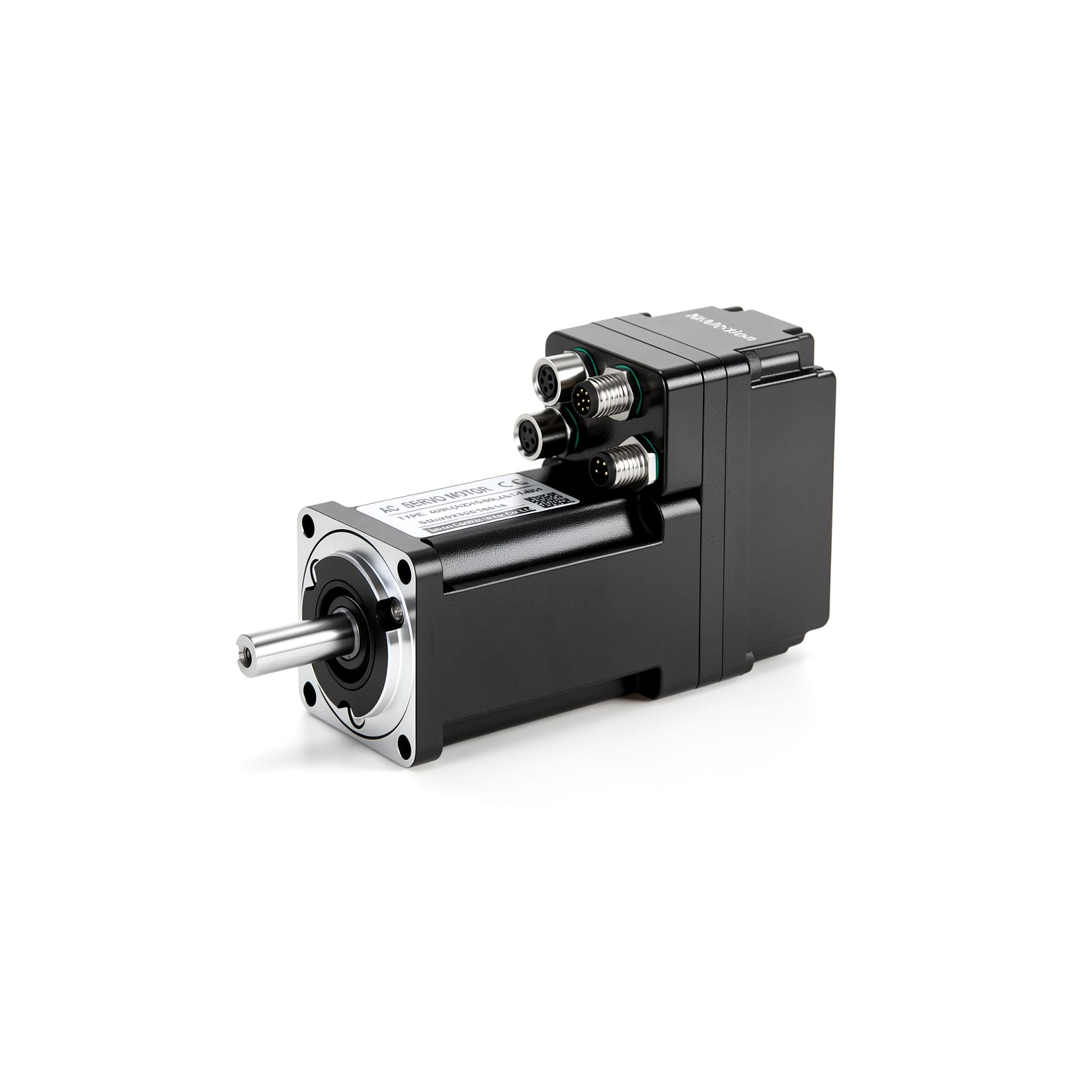
PMMP40L series (economical) integrated servo motors are launched!
Are you worried about the high cost of servo systems? Concerned about insufficient protection performance of servo motors? Restricted by the large size of traditional servo systems? Troubled by complex installation and commissioning?
Don't worry! NiMotion's new PMMP40L series integrated servo motors deliver professional-grade motion control performance at 50% of the price of the regular models (PMMP40 series)!
We have carefully optimized the product structure while retaining core value, allowing you to obtain industrial-grade quality on an economical budget.
✨ Three Core Advantages ✨
1️⃣ Ultimate Space Utilization
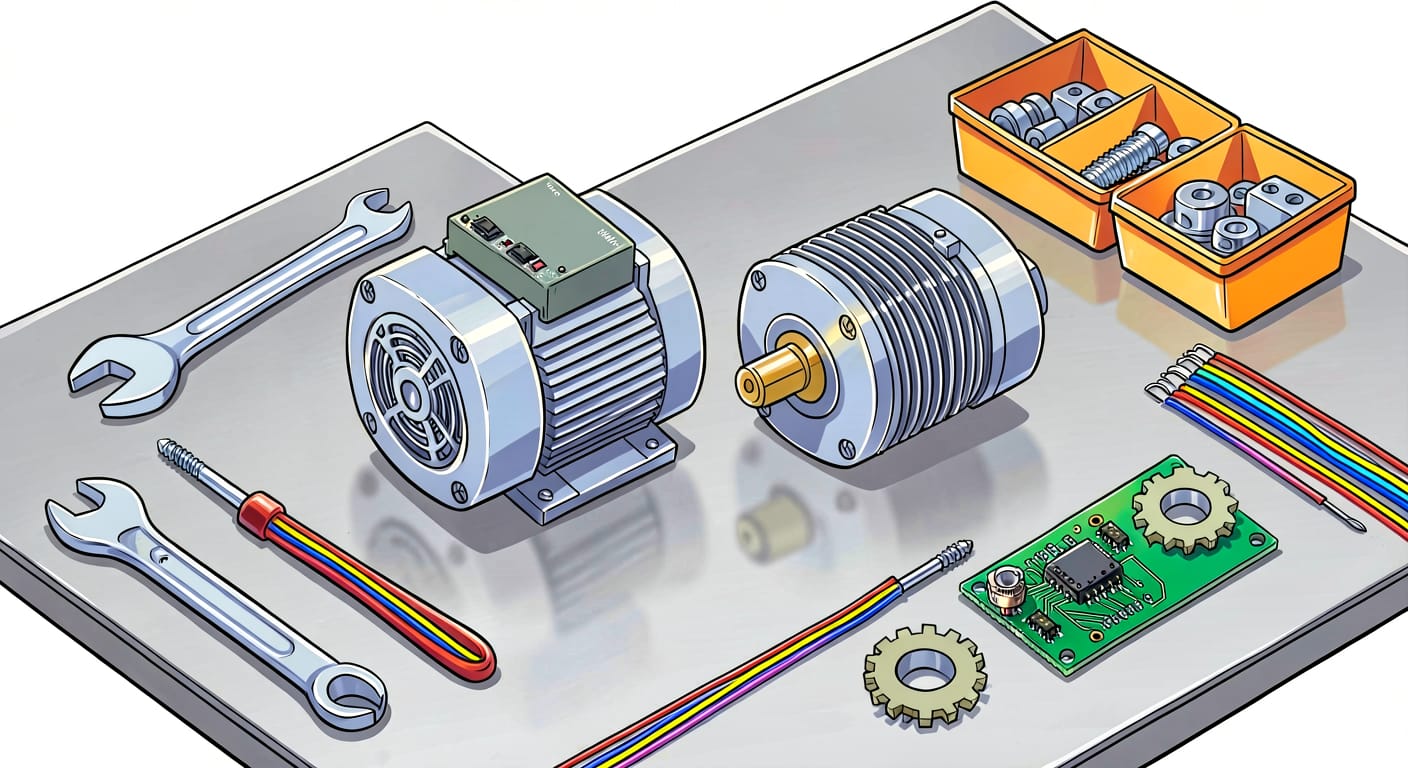
Revolutionary "5-in-1" integrated design: Motor + Driver + Encoder + Controller + IO Module perfectly integrated
Volume reduced by over 70% , installation time saved by 60% , making your equipment layout more flexible
Integrated structure eliminates external wiring hassles, reducing failure rates by 70%
2️⃣ New Era Smart Connectivity
Optional bus protocol support: CANopen (1Mbps) and RS485 (115.2kbps) can be freely matched, one-click task deployment
Plug-and-play aviation connector design, system integration completed in 10 minutes
Compatible with mainstream PLC control systems, worry-free upgrades
3️⃣ Unafraid of Harsh Environmental Challenges
IP65 protection rating, easily handles high-pressure washing and dusty environments
Suitable for outdoor equipment, food processing, cleaning equipment, and other scenarios with high protection requirements
0℃ ~ 40℃ operating temperature range with stable performance
Control Modes
Supports CiA402 standard modes, including:
Profile Position Mode (PP)
Profile Velocity Mode (PV)
Profile Torque Mode (PT)
Velocity Mode (VM)
Interpolation Mode (IP)
Homing Mode (HM)
Cyclic Synchronous Position Mode (CSP)
Cyclic Synchronous Velocity Mode (CSV)
Cyclic Synchronous Torque Mode (CST)
Special Functions
Fault Diagnosis: Overvoltage, undervoltage, overheat, hardware fault, stall, overload, overspeed, initialization fault, memory fault, limit detection, homing timeout, tracking fault, target position overflow fault, curve planning parameters too small, etc.
Fault Reset: Auto-reset for alarms / manual reset for faults
Soft limit protection
Parameter self-identification
PI parameter auto-tuning
Position recovery
Gain switching
Resonance suppression
Low-frequency vibration suppression
Parameter save and restore
Online upgrade