Application of integrated stepping motor in automatic biochemical analyzer
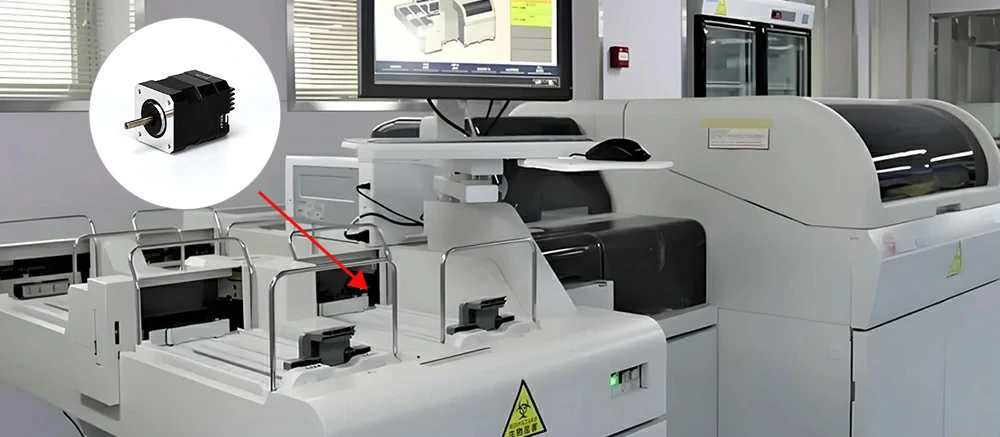
With the continuous advancement of medical technology, fully automatic biochemical analyzers are playing an increasingly important role in clinical diagnosis. Integrated stepper motors, as key components of fully automatic biochemical analyzers, play an indispensable role in instrument operation due to their high efficiency, high precision, and stability.
01. Equipment Introduction
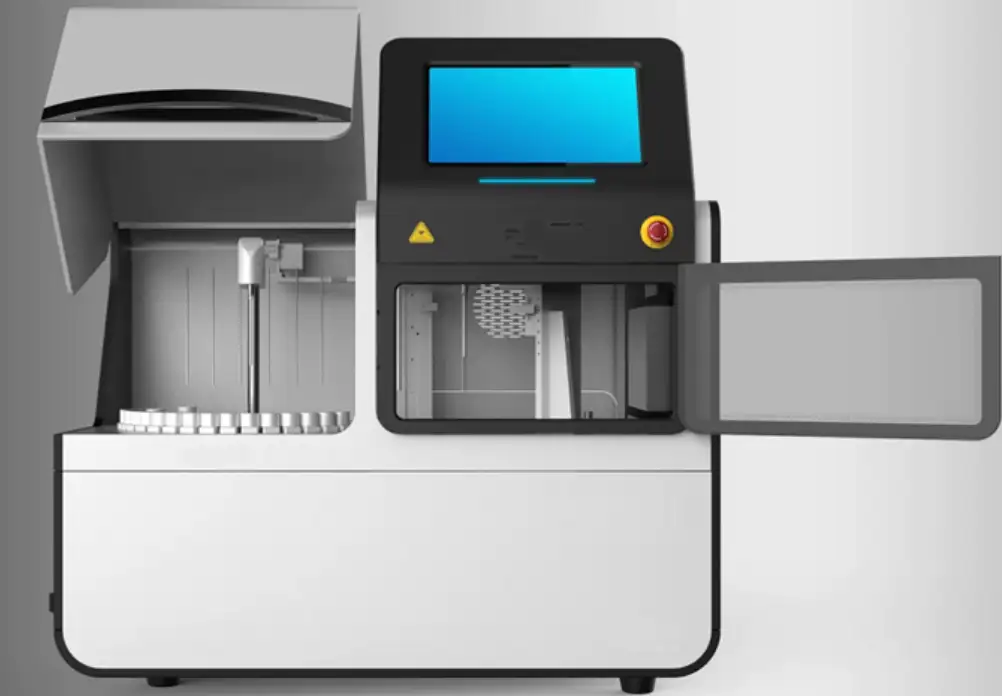
A fully automatic biochemical analyzer (Biochemical Analyzer, Clinical-chemical Analyzer) is a computer-controlled analytical instrument that automatically integrates the steps of sampling, reagent addition, mixing, temperature-controlled reaction, detection, result calculation, reliability assessment, display, and printing, as well as cleaning functions in biochemical analysis.
It can be applied in fields such as medicine, water quality, food, and clinical analysis. In clinical analysis, biochemical analyzers are mainly used to analyze various biochemical indicators in human blood and other body fluids, such as hemoglobin, cholesterol, glucose, amylase, urea nitrogen, albumin, total protein, inorganic phosphorus, uric acid, calcium, and more.
02. Solution
Traditional Solution
Traditional electronic control systems generally use solutions such as PC + MCU + touch screen + driver + stepper motor. This approach not only involves cumbersome wiring and occupies significant space, but the entire control process is also very complex, greatly increasing the development cycle.
Upgraded Solution
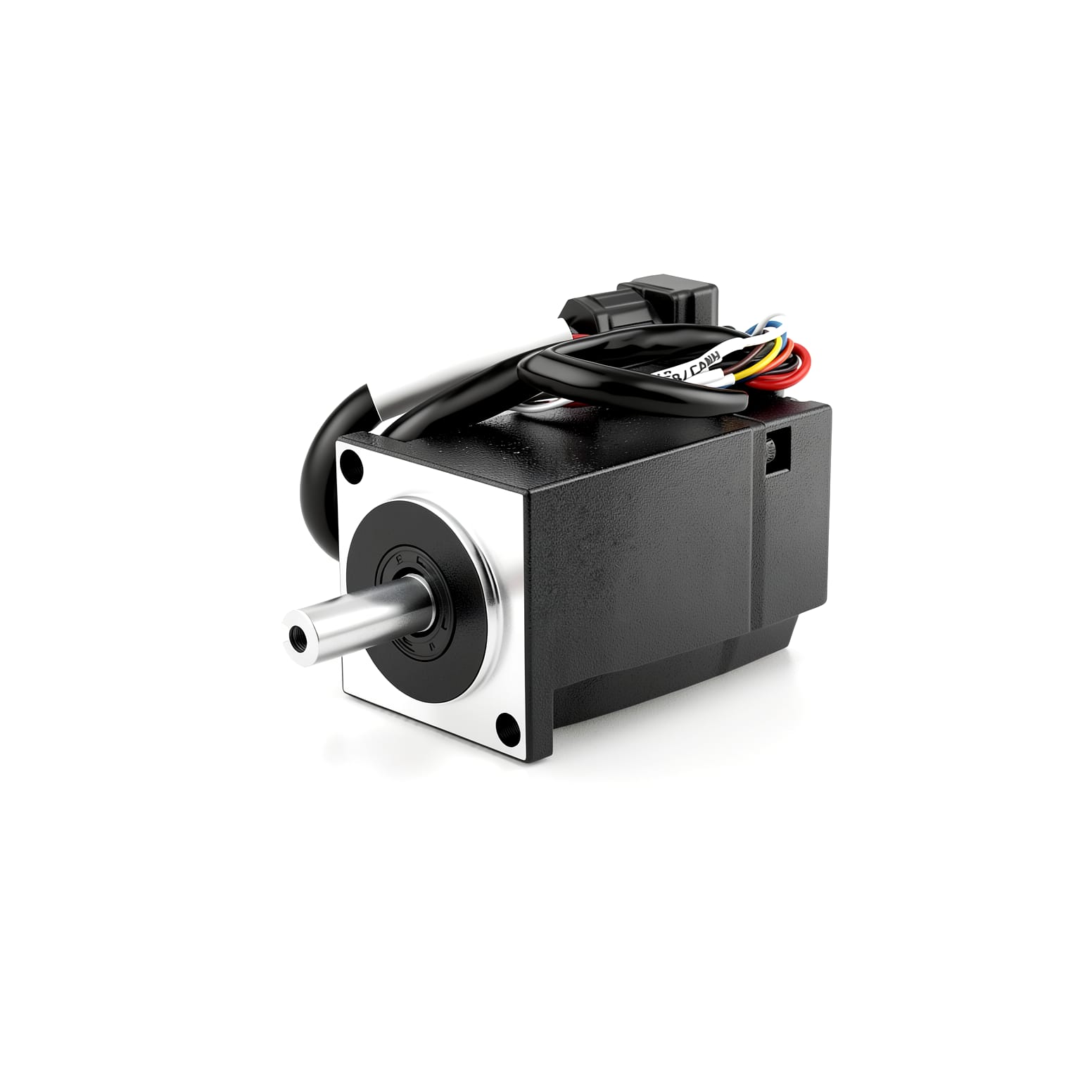
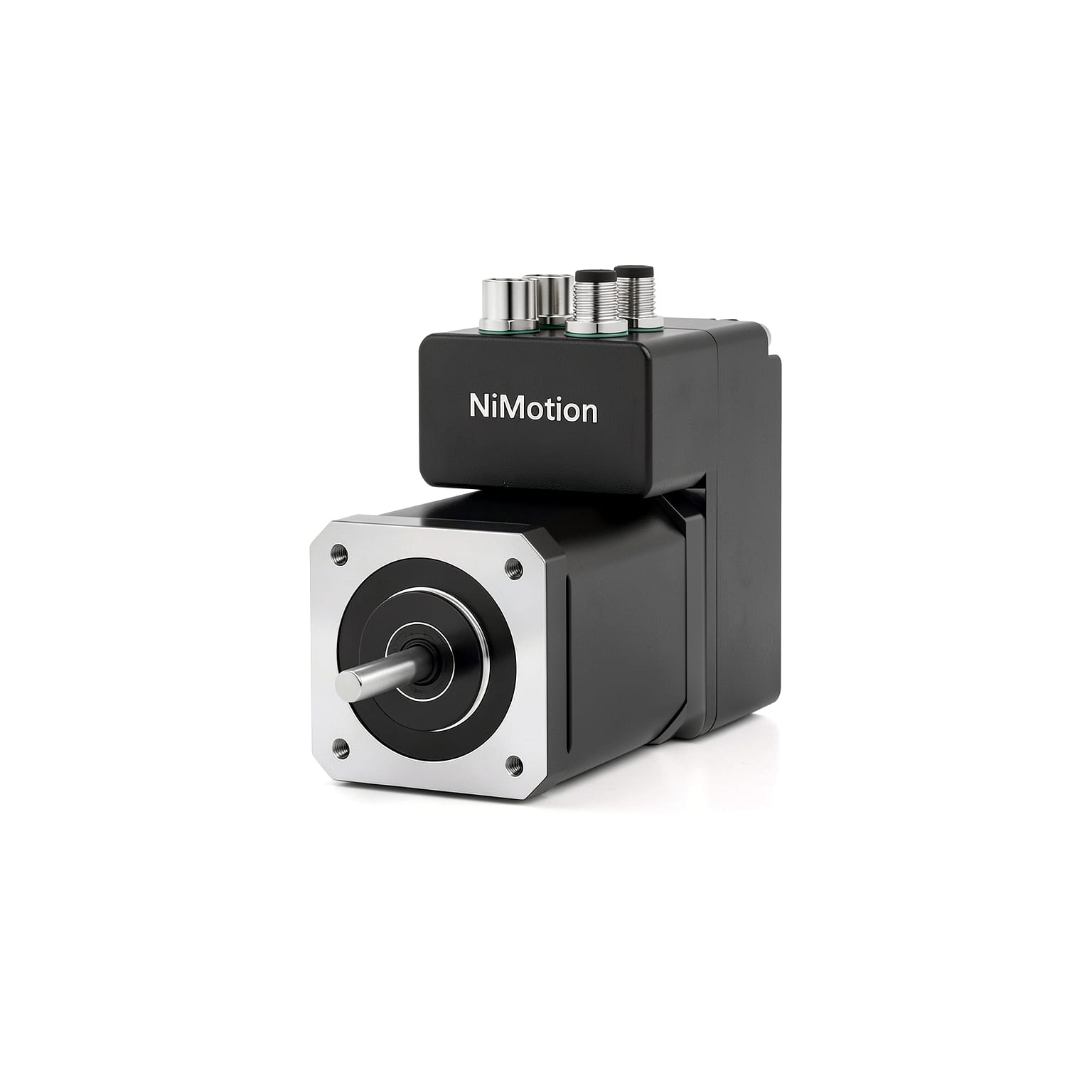
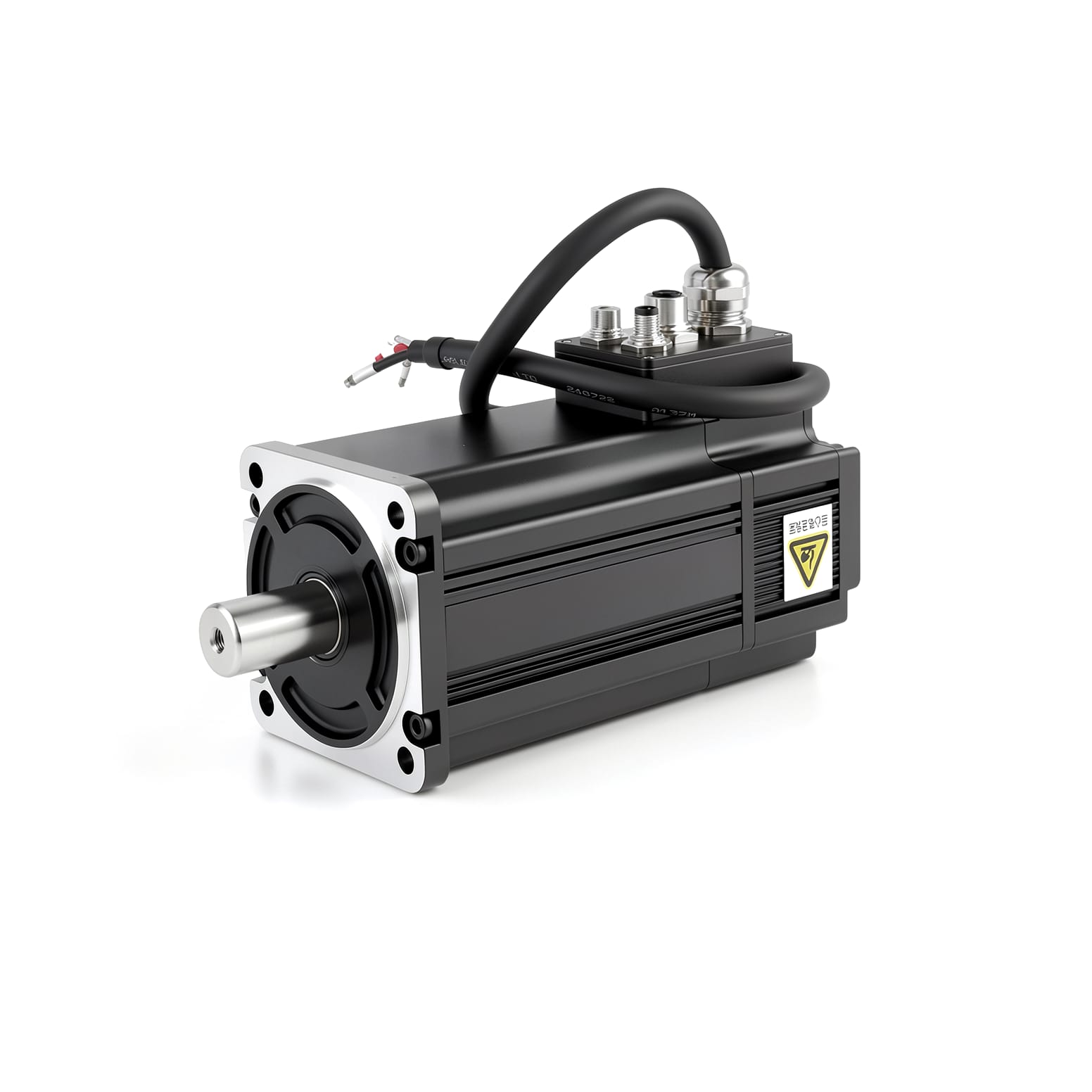
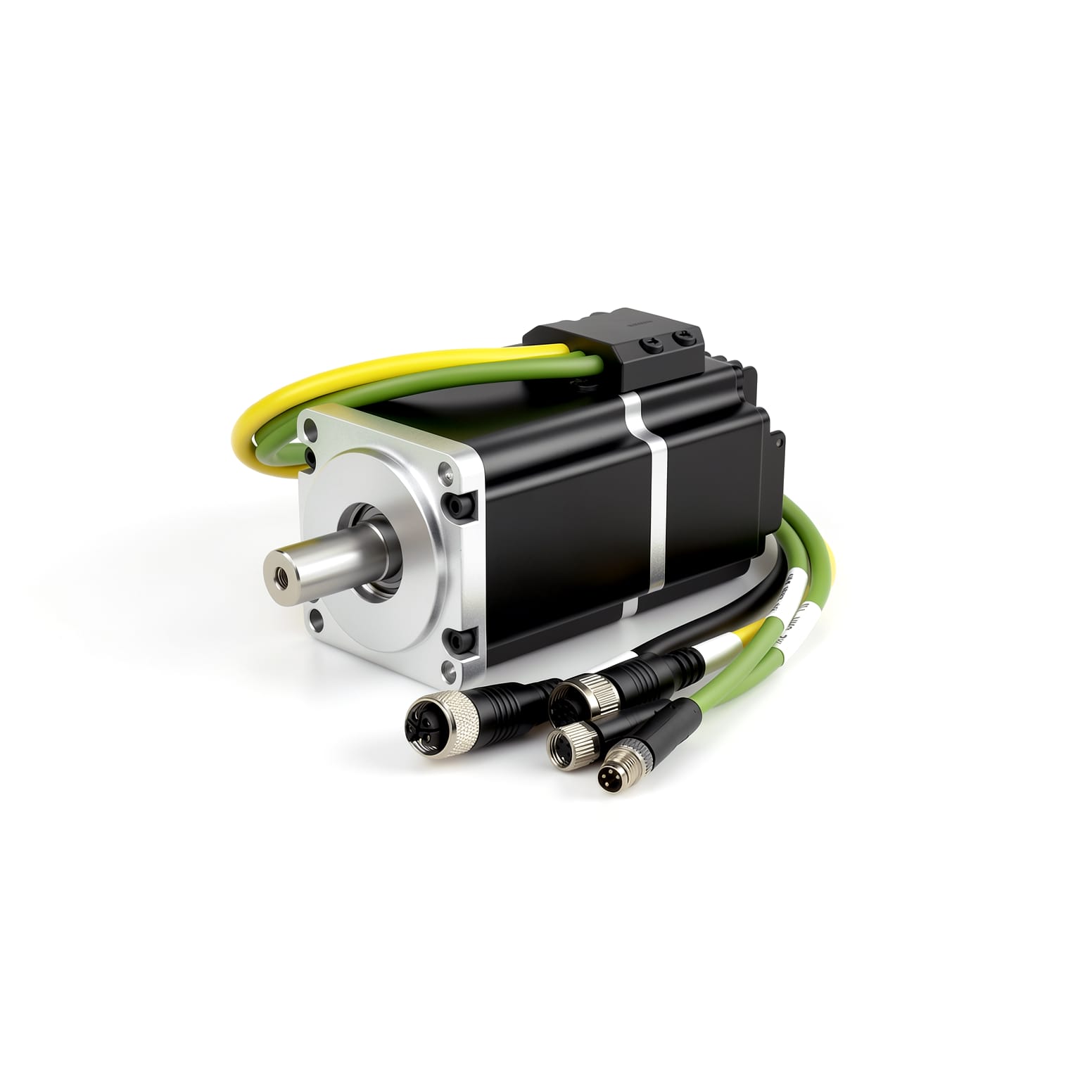
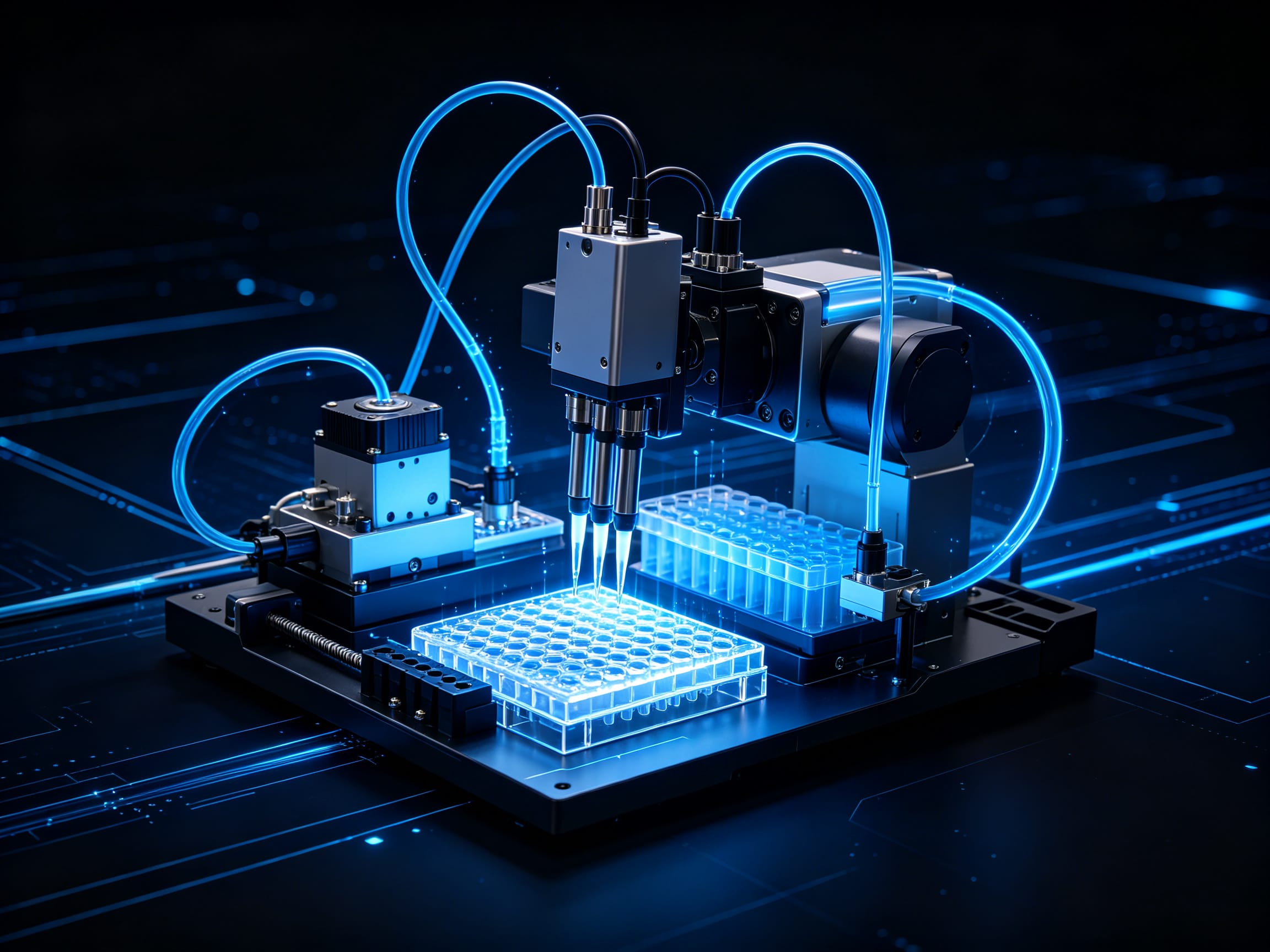
In fully automatic biochemical analyzers, integrated stepper motors are mainly used to drive key components such as reagent needles, sample needles, and stirring devices.
By controlling the motor's rotation angle and speed, the reagent needle can be precisely positioned to ensure accurate reagent addition;
Precise movement of the sample needle enables accurate sample aspiration and dispensing;
Precise control of the stirring device ensures thorough mixing of reagents and samples, providing good conditions for subsequent biochemical reactions.
In addition, integrated stepper motors can also be used to control the instrument's robotic arms, conveyors, and other components to achieve automatic sample transport and detection. Through precise motor control, samples can be quickly and accurately transferred between various detection units, thereby improving the instrument's detection efficiency and accuracy.
Advantages of Integrated Stepper Motors
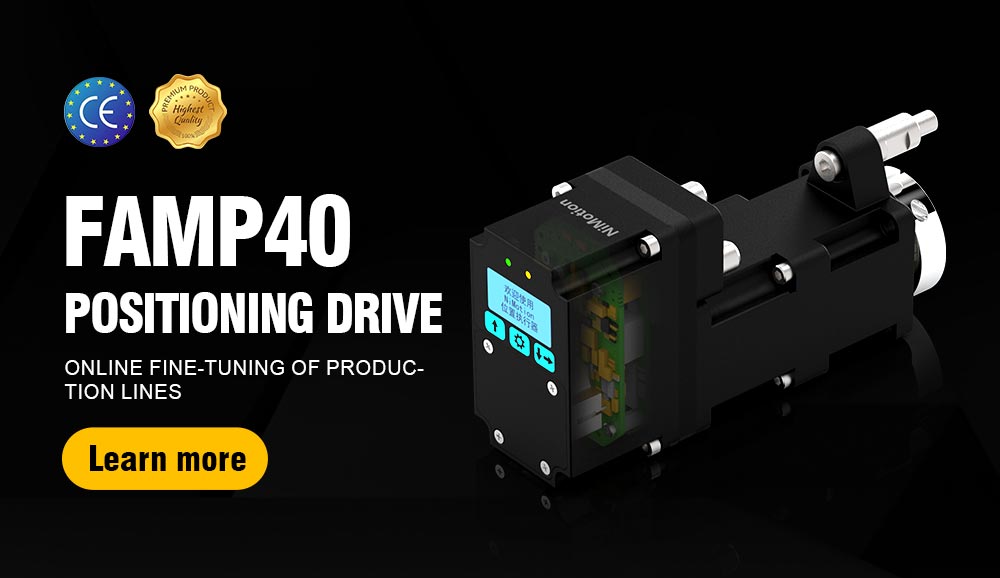
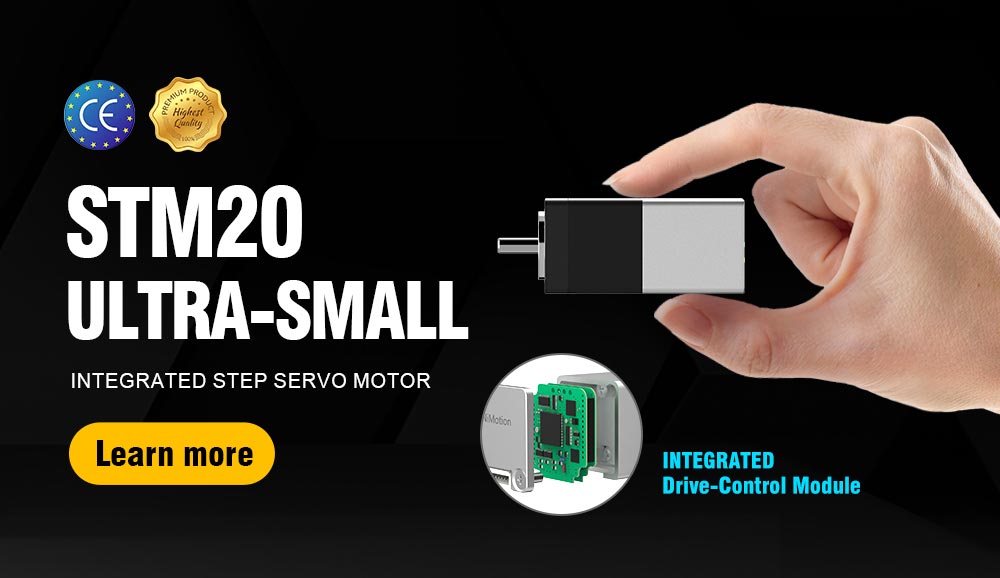
High integration improves equipment portability: Integrates stepper motors, servo drivers, encoders, and controllers into a single unit, significantly reducing equipment size and weight while simplifying wiring and reducing potential failure points.
Flexibility to meet diverse needs: Supports CANopen/Modbus communication, allowing flexible control and adjustment according to different work requirements.
High-precision positioning improves measurement accuracy: High positioning accuracy enables precise positioning of mobile equipment.
Multiple control modes: Supports PP, VM, PV, PT, HM, IP, CSP, CSV, CST standard modes, as well as NiMotion position mode, speed mode, and torque mode.
High-speed response improves equipment efficiency: Fast response speed enables quick adjustment of equipment angle and position, improving work efficiency and responsiveness.
Comprehensive alarm function: Power-on self-diagnosis can detect hardware faults in a timely manner; equipped with multiple safety protection functions including overvoltage/undervoltage, overheat, overcurrent, and stall alarms. LED flashing alarm intuitively displays the current status of the motor.