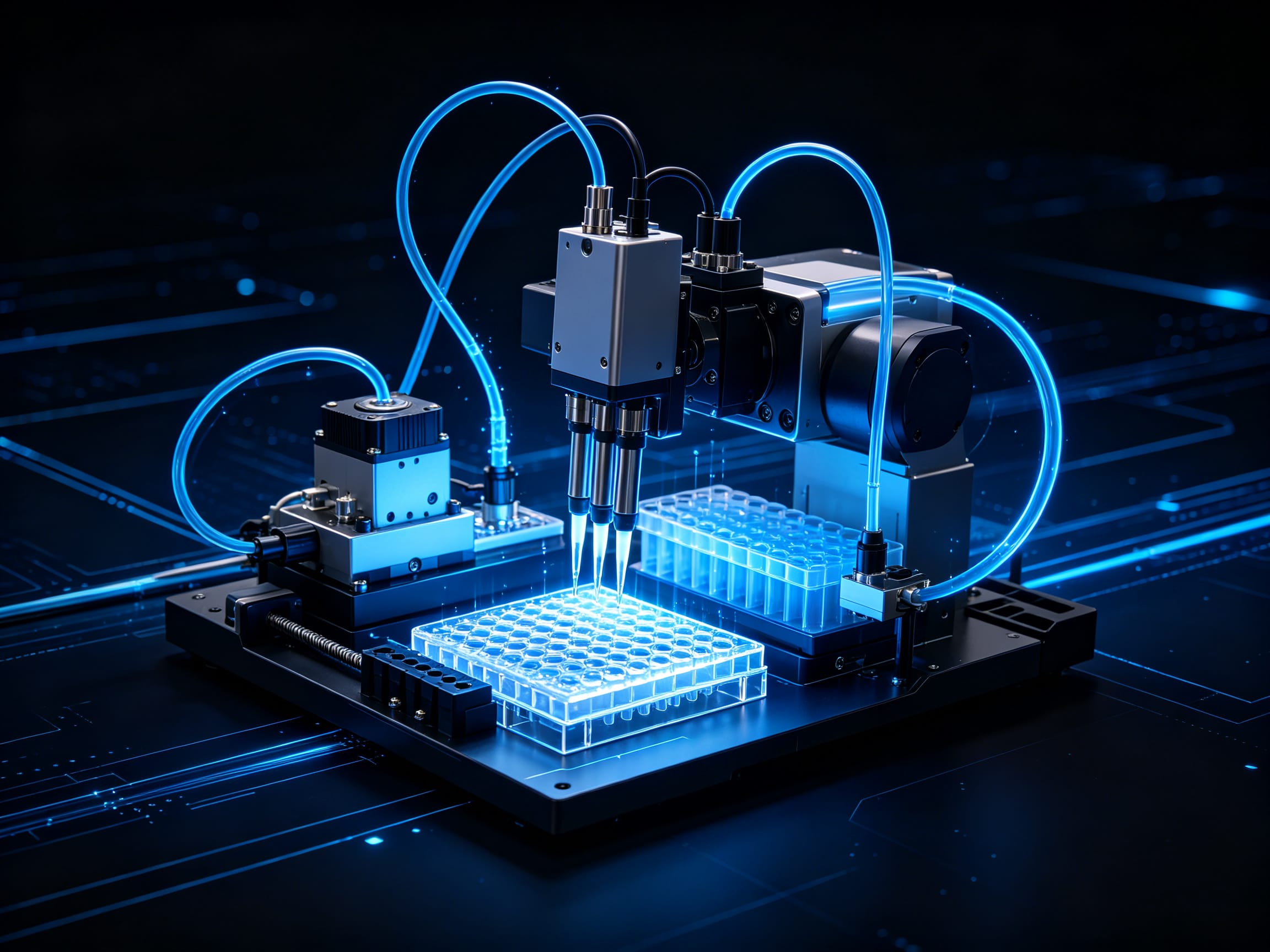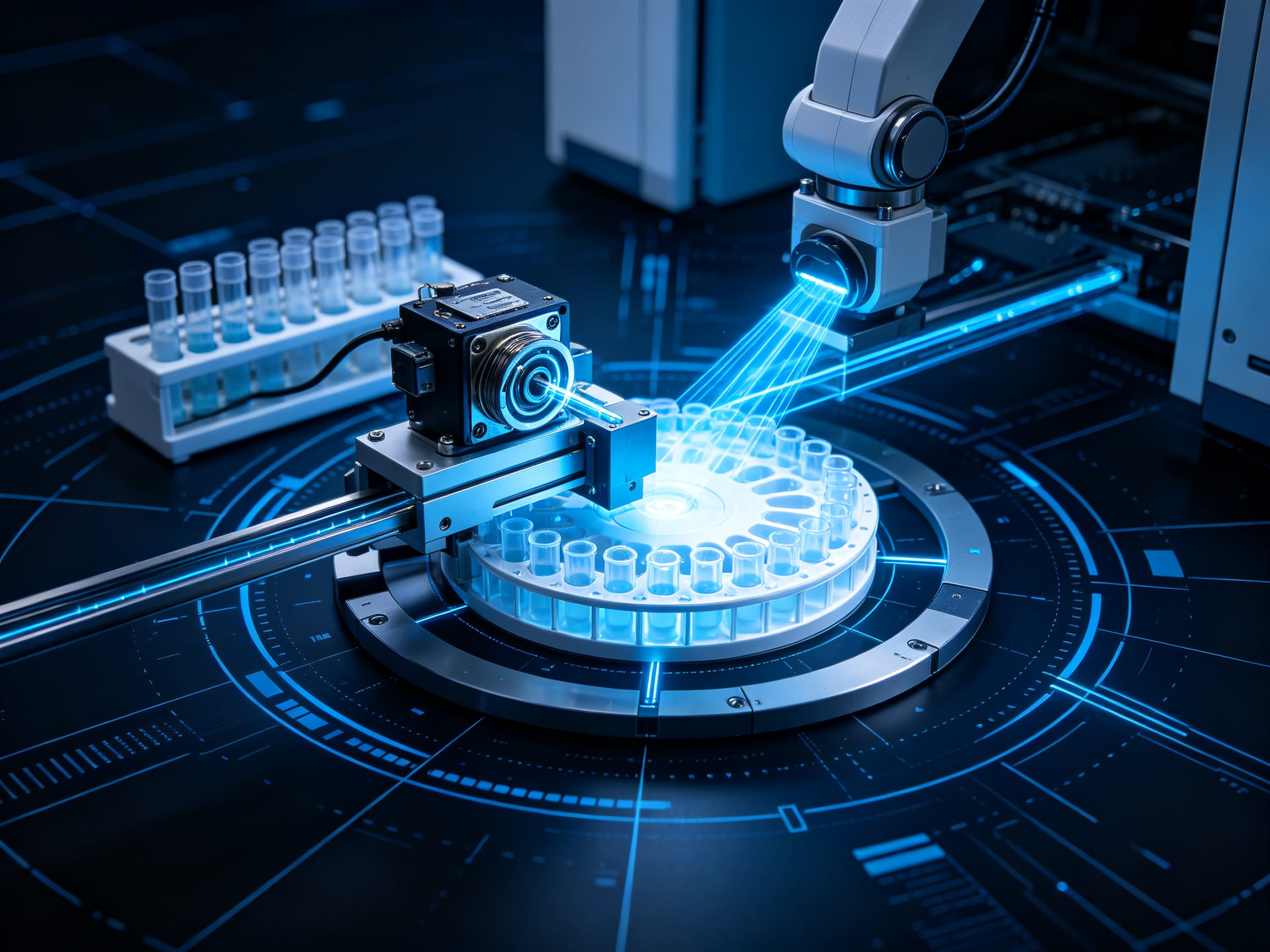
Application of integrated stepping servo motor in automatic dilution instrument
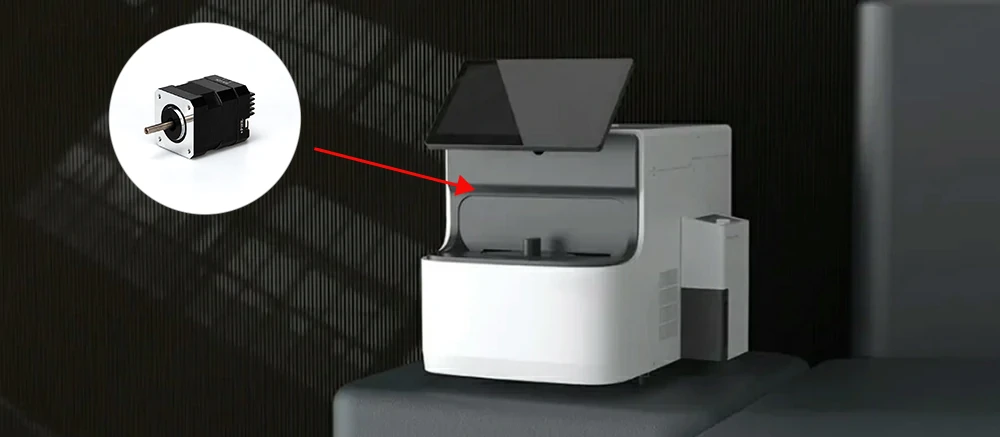
Dilution is a critical step in many chemical and biological experiments. To improve the accuracy and efficiency of dilution, automatic dilutors are widely used. With technological advancements, integrated stepper servo motors are being increasingly applied in automatic dilutors, greatly enhancing instrument performance and efficiency. This article provides a detailed introduction to the application of integrated stepper servo motors in automatic dilutors.
01. Equipment Introduction
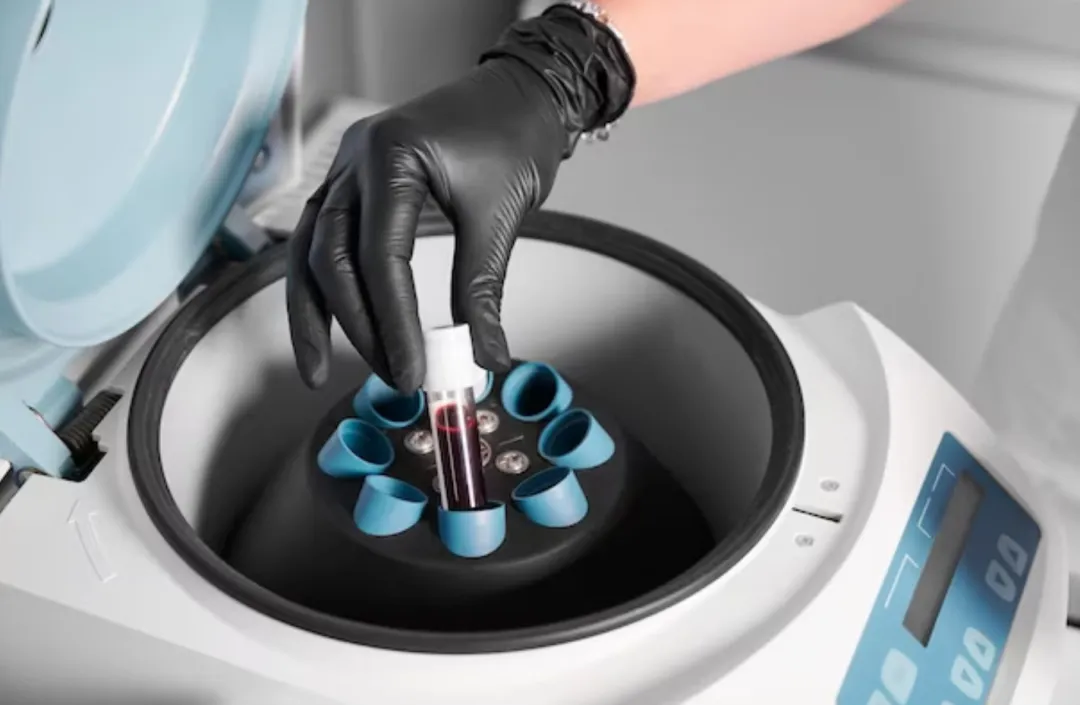
Automatic dilutors are important analytical instruments commonly used in clinical testing. They measure various biochemical indicators by analyzing blood or other body fluids, such as transaminase, hemoglobin, albumin, total protein, cholesterol, myoglobin, glucose, inorganic phosphorus, amylase, calcium, and more. The fully automatic dilution function of this device significantly reduces the operator's dilution time.
A fully automatic dilutor is an instrument that automates all steps of the dilution process, including sampling, reagent addition, mixing, temperature-controlled reactions, sample dissolution, collection, liquid replenishment, UV or HPLC injection, detection reading, data analysis, and dissolution curve plotting. It can completely mimic and replace manual operations.
Therefore, dilutors that require manual replacement of cuvettes (or cuvette discs) on the current market are not truly "fully automatic" dilutors. Fully automatic dilutors are sensitive, accurate, and fast, not only improving work efficiency but also reducing subjective errors and enhancing testing quality.
Typically, the workflow of a fully automatic dilutor is mainly divided into: machine initialization → diffusion cell heating and temperature stabilization → sampling → sample injection → liquid replenishment → cleaning → experiment completion, etc.
Machine Initialization: The machine starts the initialization program and enters a ready state, waiting to execute commands.
Diffusion Cell Heating and Temperature Stabilization → Sampling → Sample Injection → Liquid Replenishment (Dilution Starts): The diffusion cell begins heating to a constant temperature of 33°C, and the analyzer probe starts sampling and injecting into the sample cup for dilution.
Cleaning → Experiment Completion (Dilution Complete): The probe aspirates and dispenses liquid back and forth in the diffusion cell to achieve cleaning. After the experiment is completed, the machine returns to the initial position and waits for the next command.
02. Solution
Traditional Solution Electrical Structure
Traditional electronic control systems generally use solutions such as PC + MCU + touch screen + driver + stepper motor. This approach not only involves cumbersome wiring and occupies significant space, but the entire control process is also very complex, greatly increasing the development cycle.
Upgraded Solution Electrical Structure
The control mechanism uses an integrated controller that combines PLC functions and motion control functions into a single hardware device, enabling more functions such as temperature control for the measuring cup and photoelectric switches.
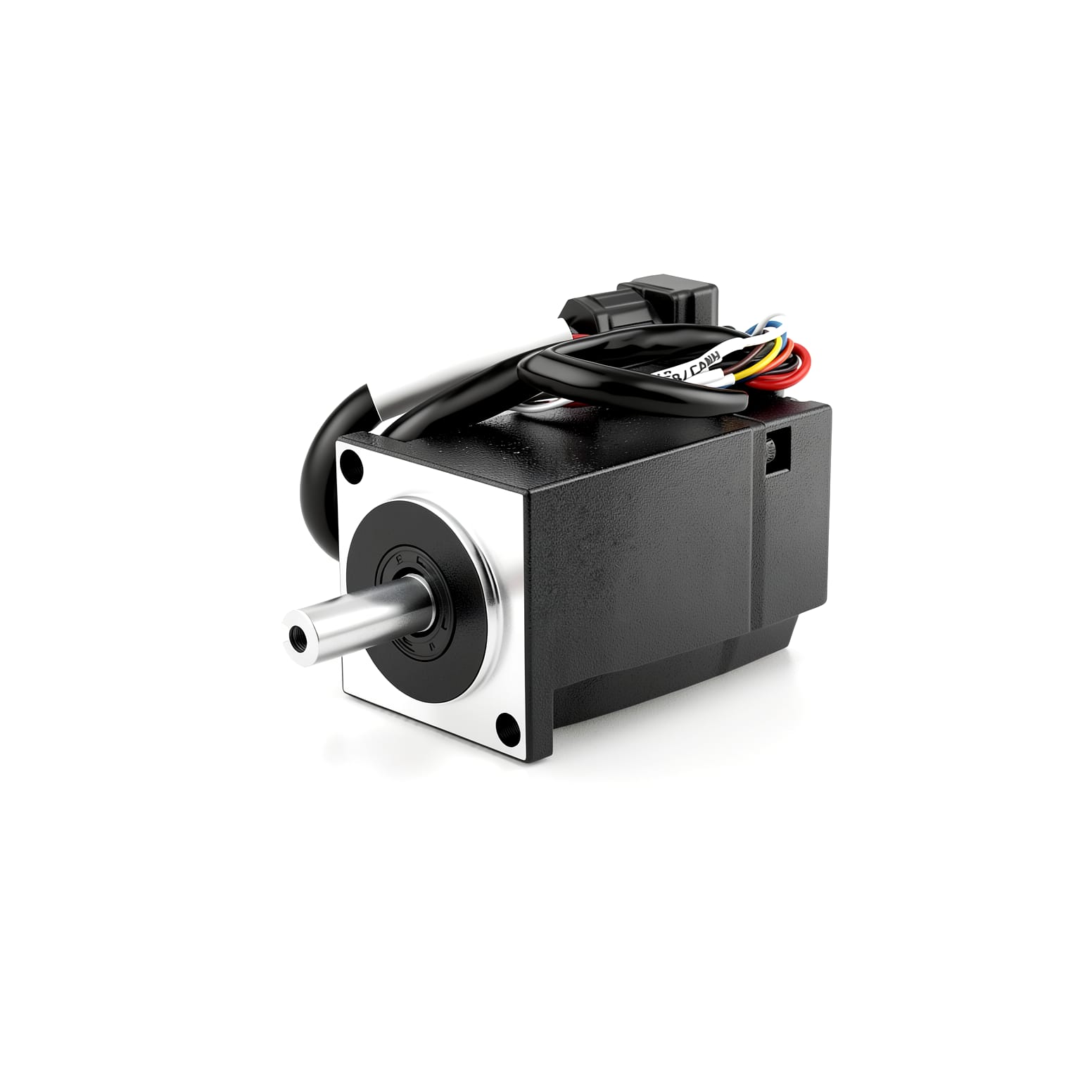
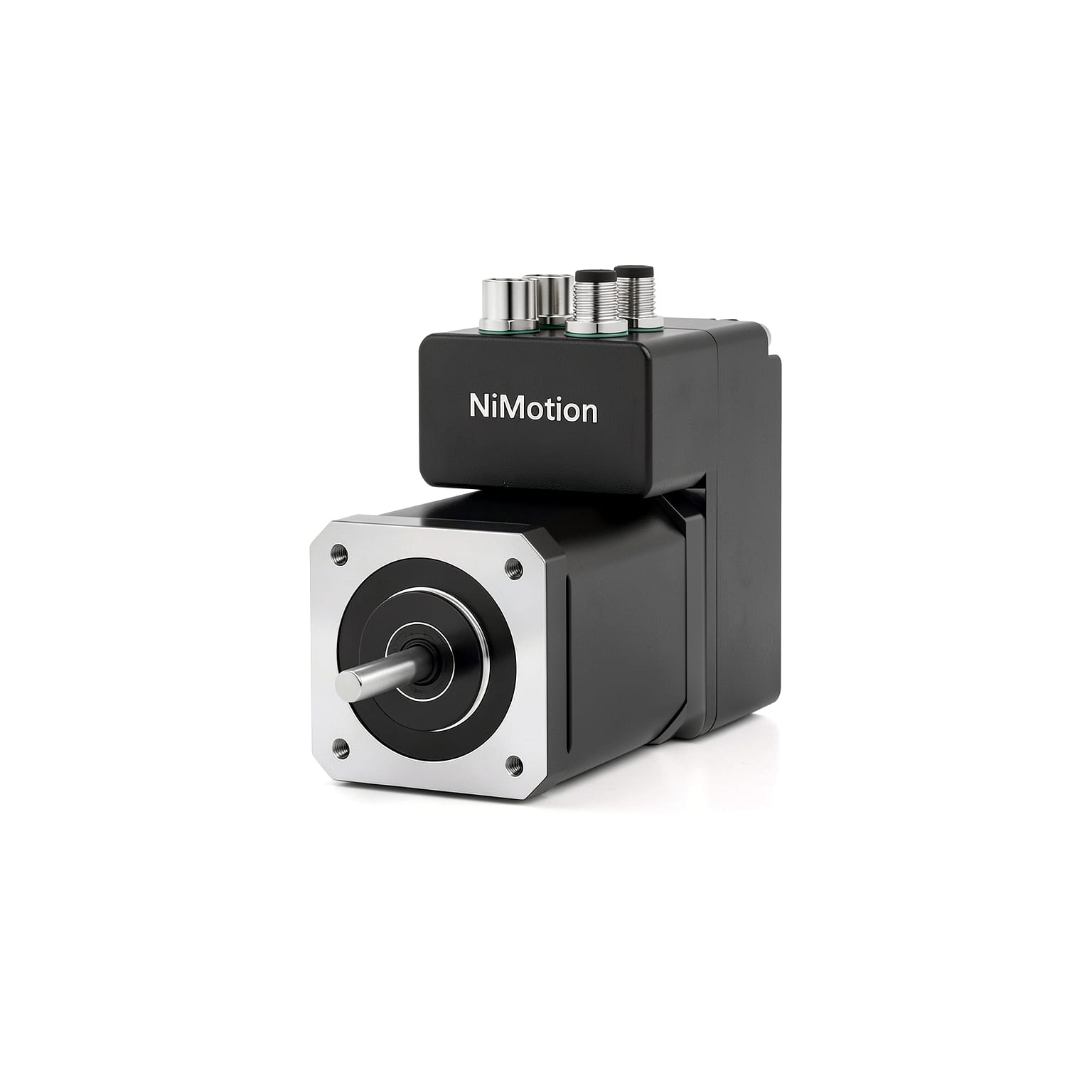
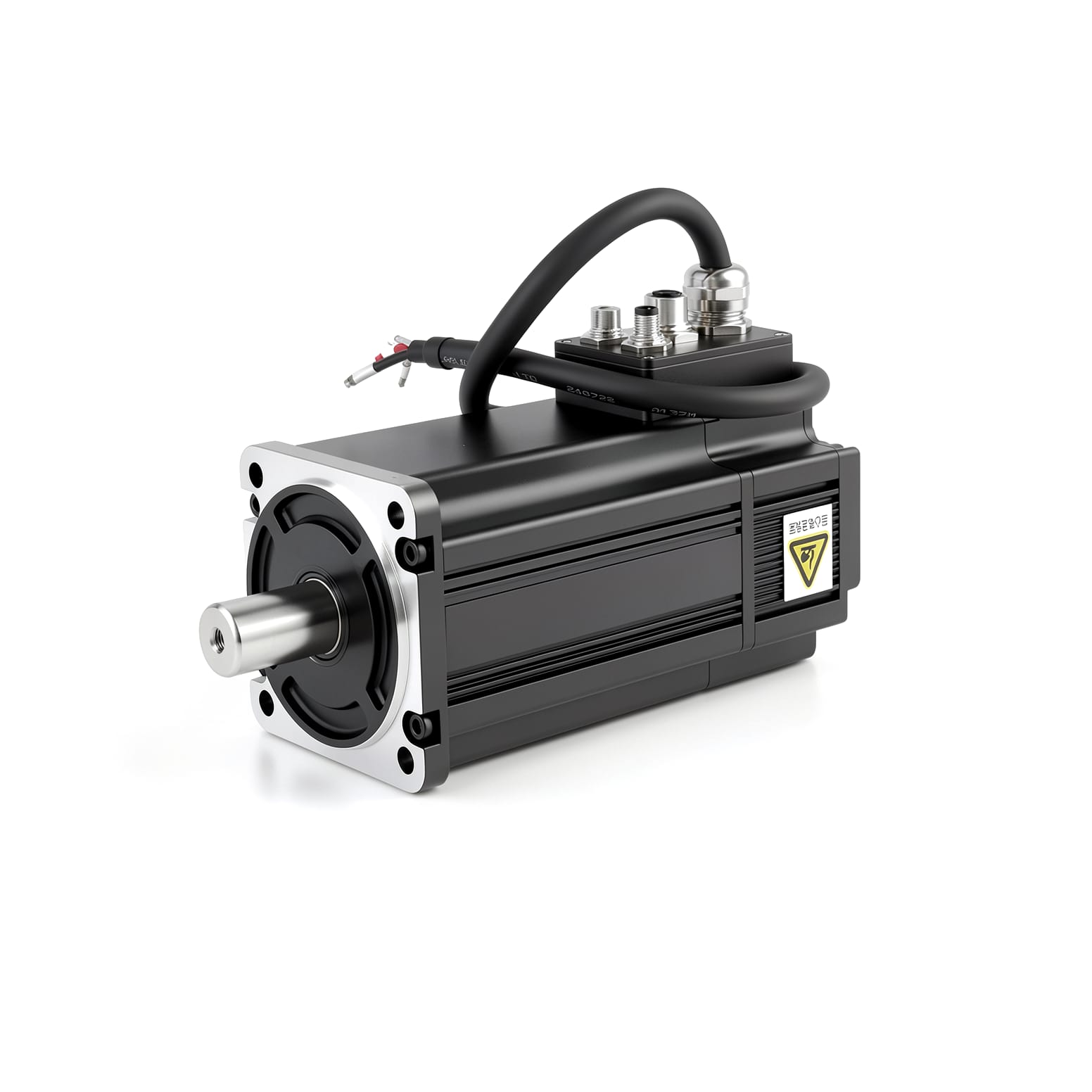
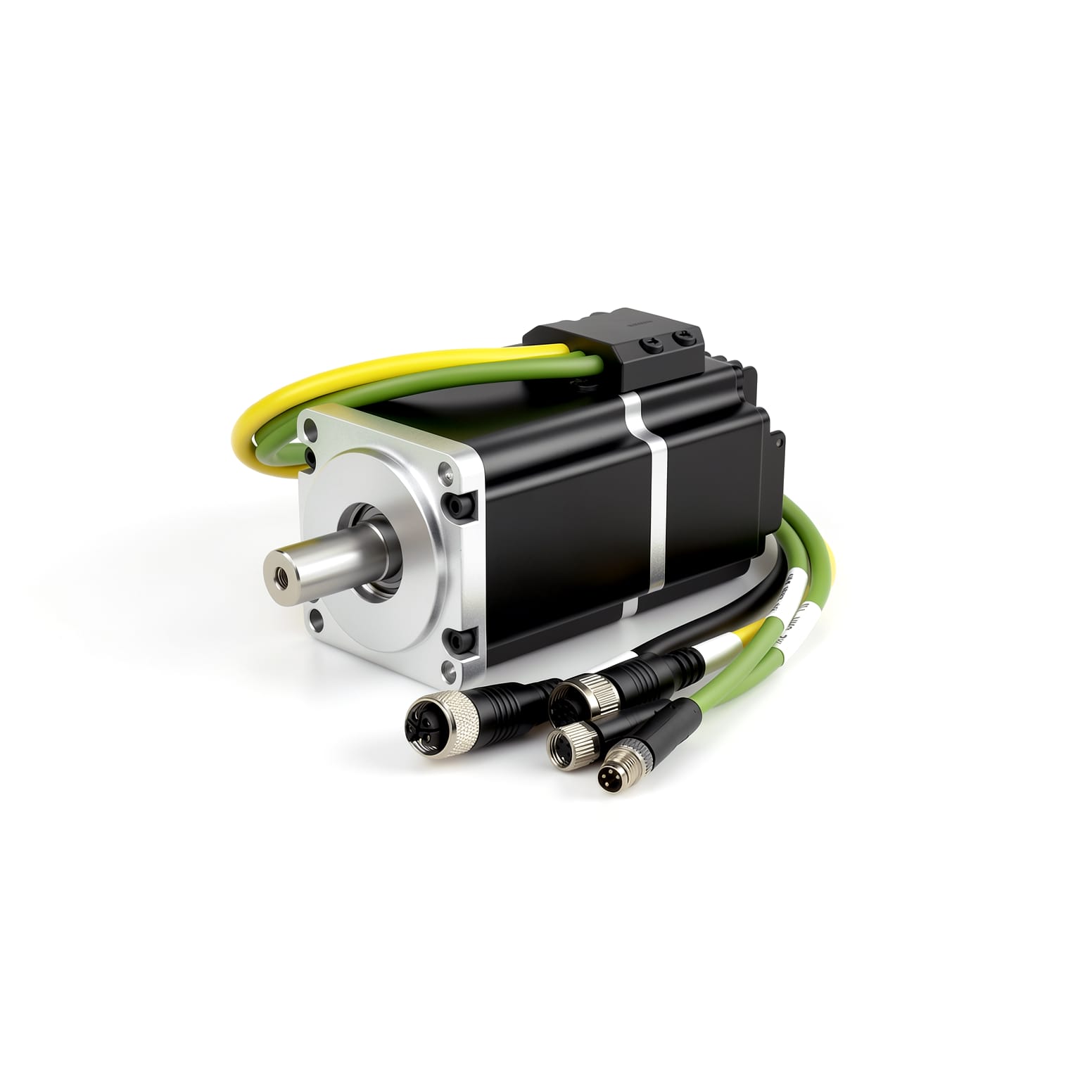
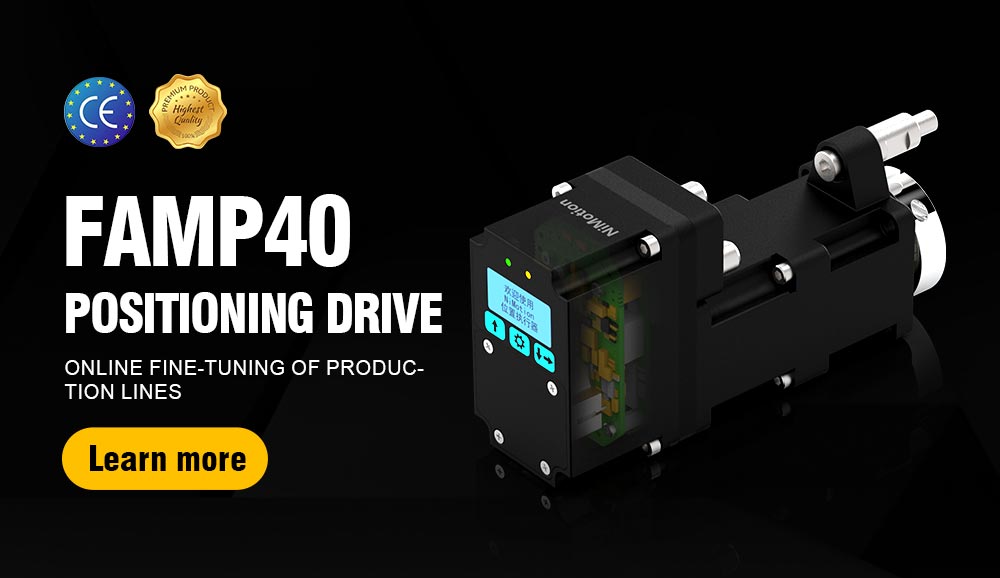
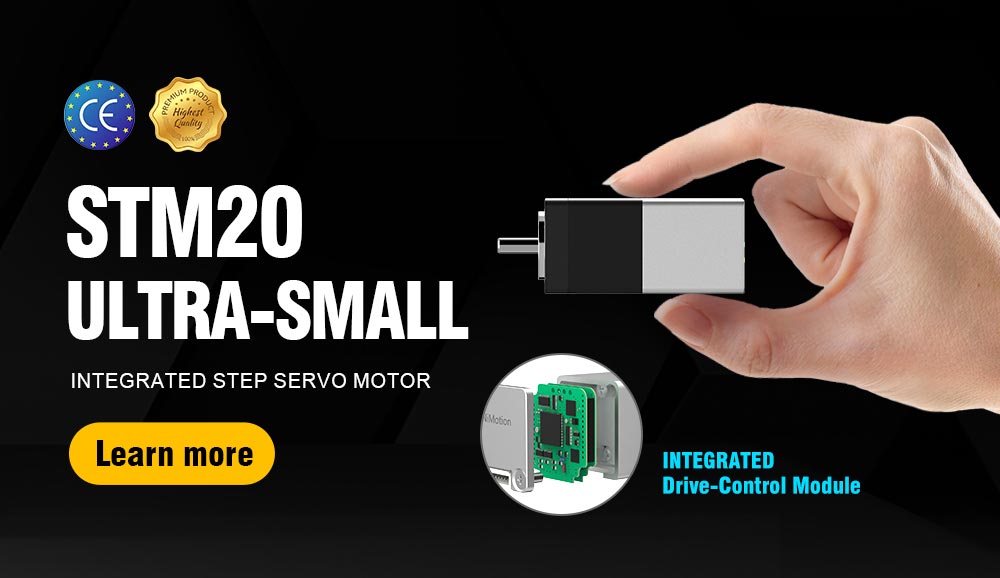
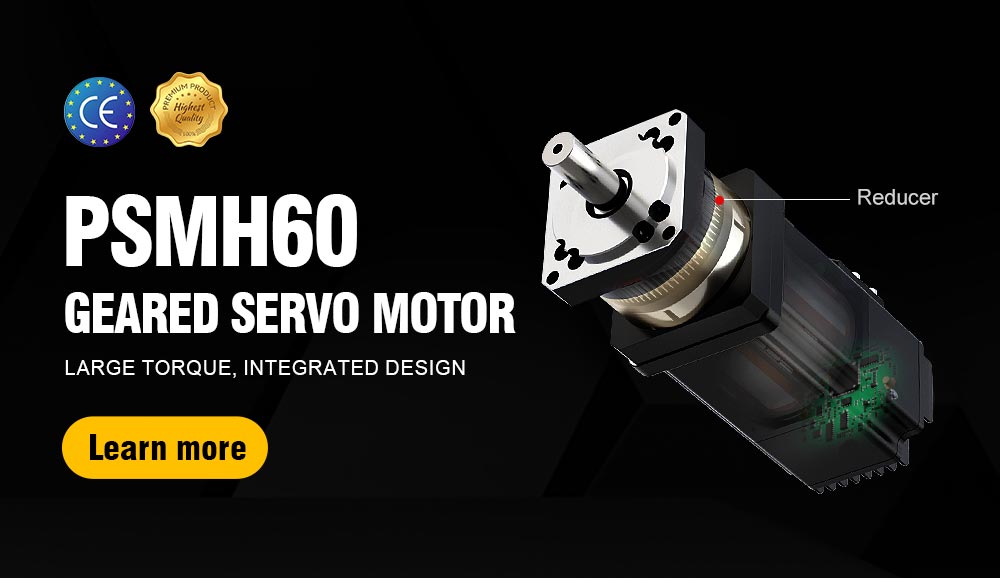
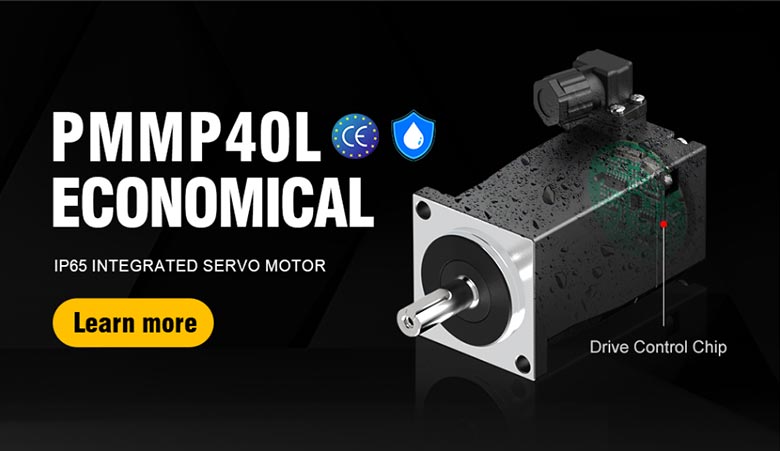
The actuator uses an integrated motor, which is a highly integrated, high-precision, and high-efficiency drive device. Compared with traditional separate servo systems, integrated stepper servo motors offer advantages such as smaller footprint, higher precision, faster response, bus control, simpler wiring, rich alarm functions, and lower cost.
Advantages of Integrated Stepper Servo Motors
High integration improves equipment portability: Integrates stepper motors, servo drivers, encoders, and controllers into a single unit, significantly reducing equipment size and weight while simplifying wiring and reducing potential failure points.
Flexibility to meet diverse needs: Supports CANopen/Modbus communication, allowing flexible control and adjustment according to different work requirements.
High-precision positioning improves measurement accuracy: High positioning accuracy enables precise positioning of mobile equipment.
Multiple control modes: Supports PP, VM, PV, PT, HM, IP, CSP, CSV, CST standard modes, as well as NiMotion position mode, speed mode, and torque mode.
High-speed response improves equipment efficiency: Fast response speed enables quick adjustment of equipment angle and position, improving work efficiency and responsiveness.
Comprehensive alarm function: Can detect hardware faults in a timely manner to avoid affecting system operation; equipped with multiple safety protection functions including overvoltage/undervoltage, overheat, overcurrent, and stall alarms. LED flashing alarm intuitively displays the current status of the motor.