Application of integrated servo motor in LiDAR equipment
As an important sensing technology, LiDAR is widely used in meteorological detection, tracking, robotic navigation, wind resource assessment, and other fields. The application of integrated servo motors plays a significant role in LiDAR equipment. This article introduces the advantages of integrated servo motors in LiDAR equipment applications and demonstrates their contribution to the advancement of LiDAR technology.
01. Introduction
With the widespread application of LiDAR technology, equipment miniaturization and high performance have become key development directions. This trend has led to a new generation of LiDAR systems based on integrated servo motors.
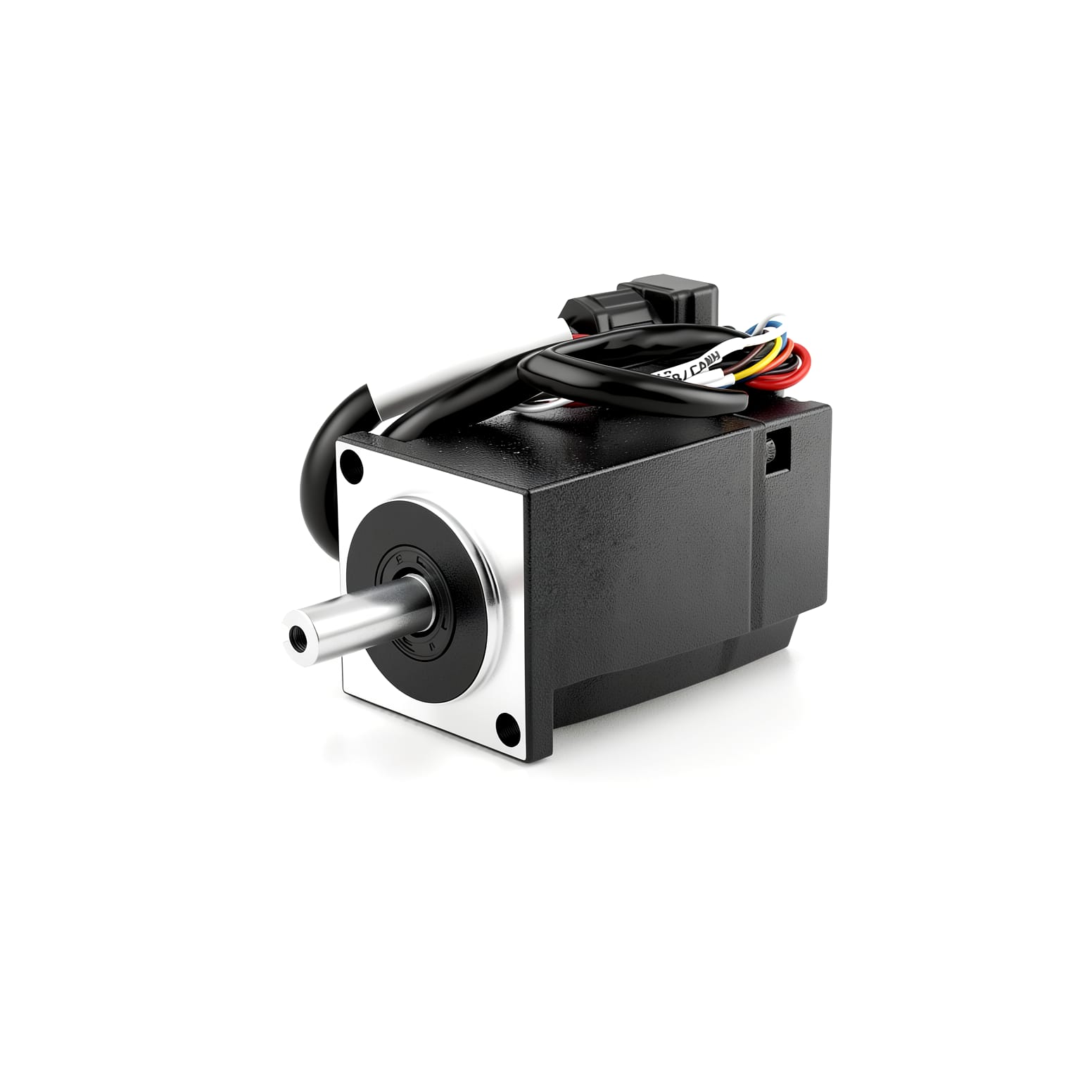
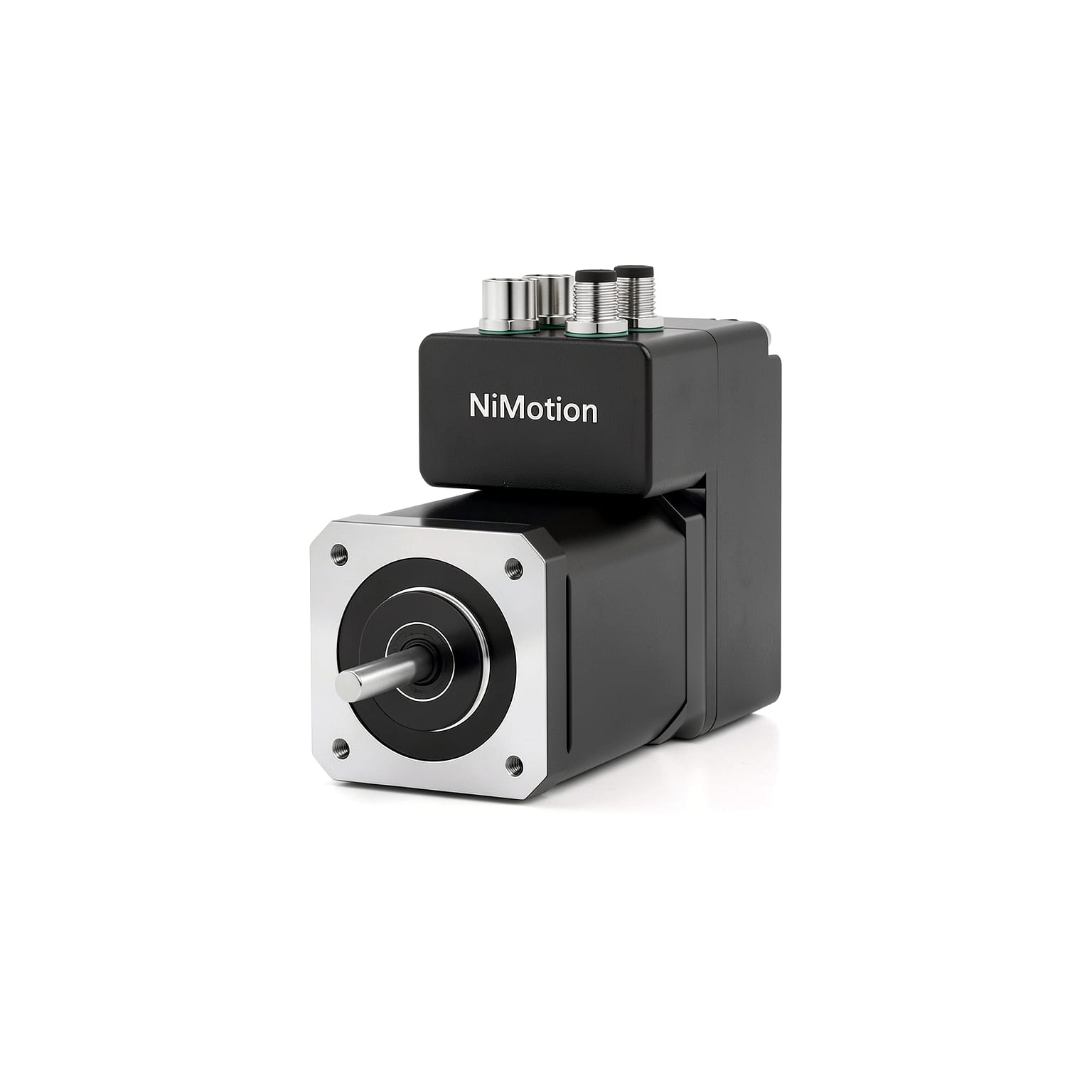
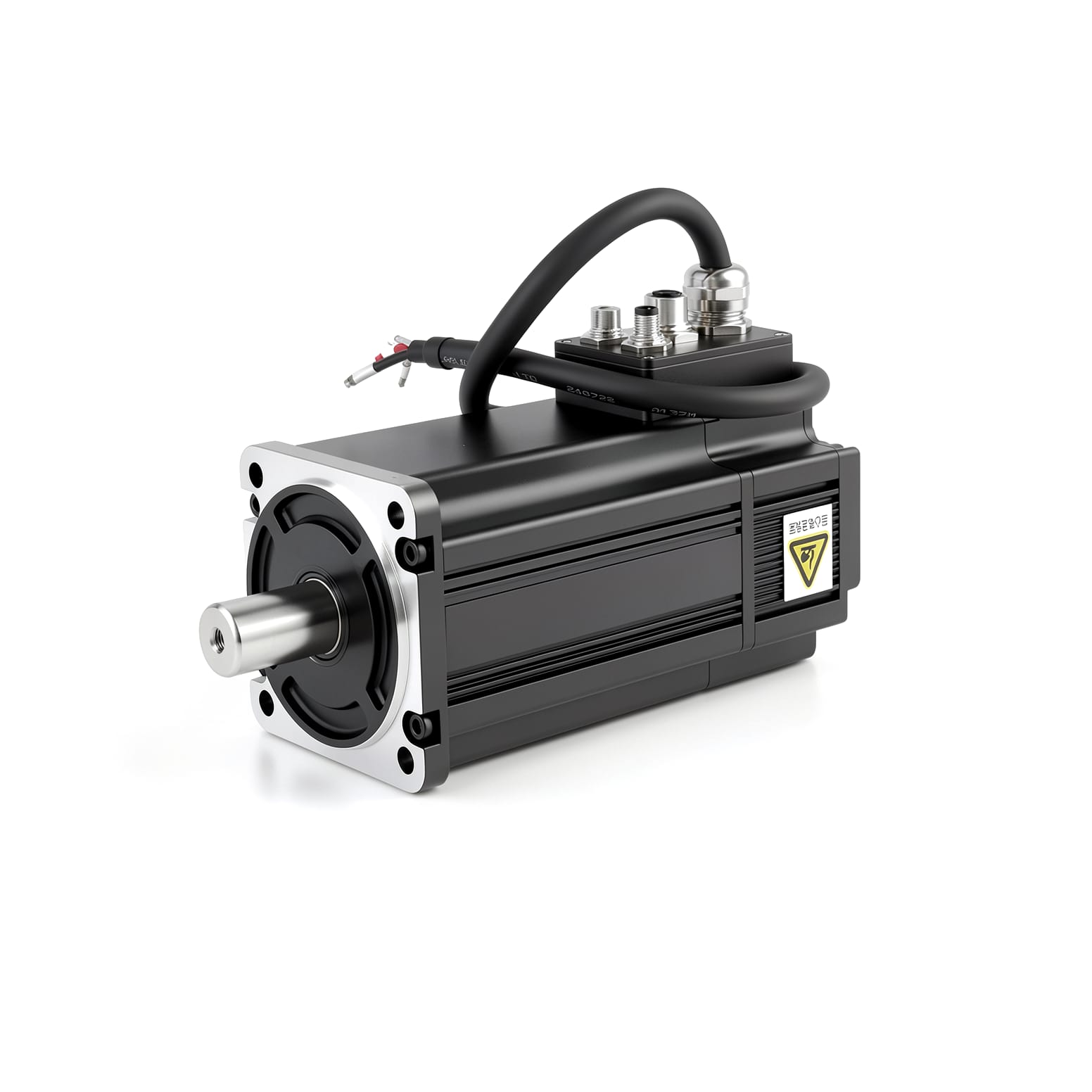
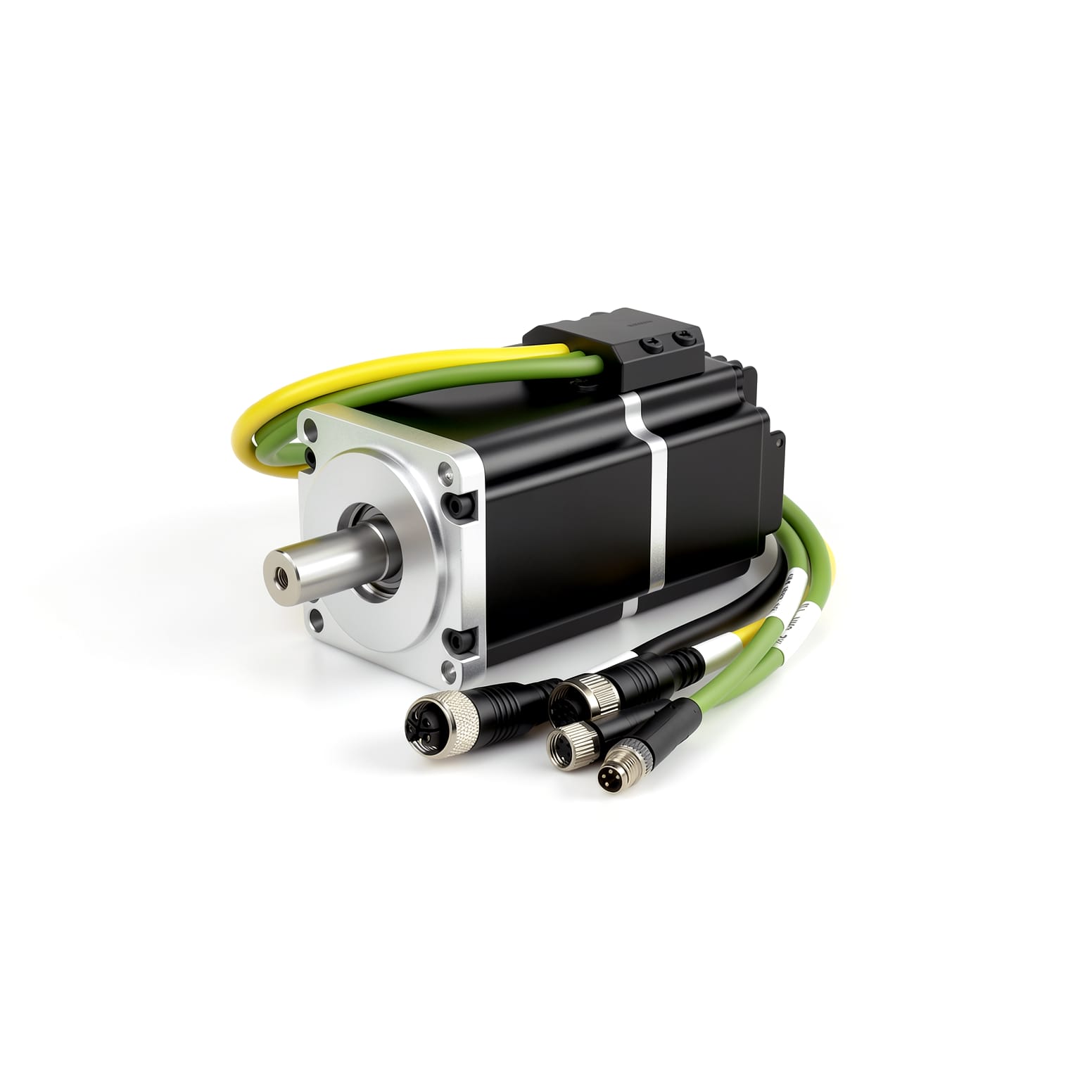
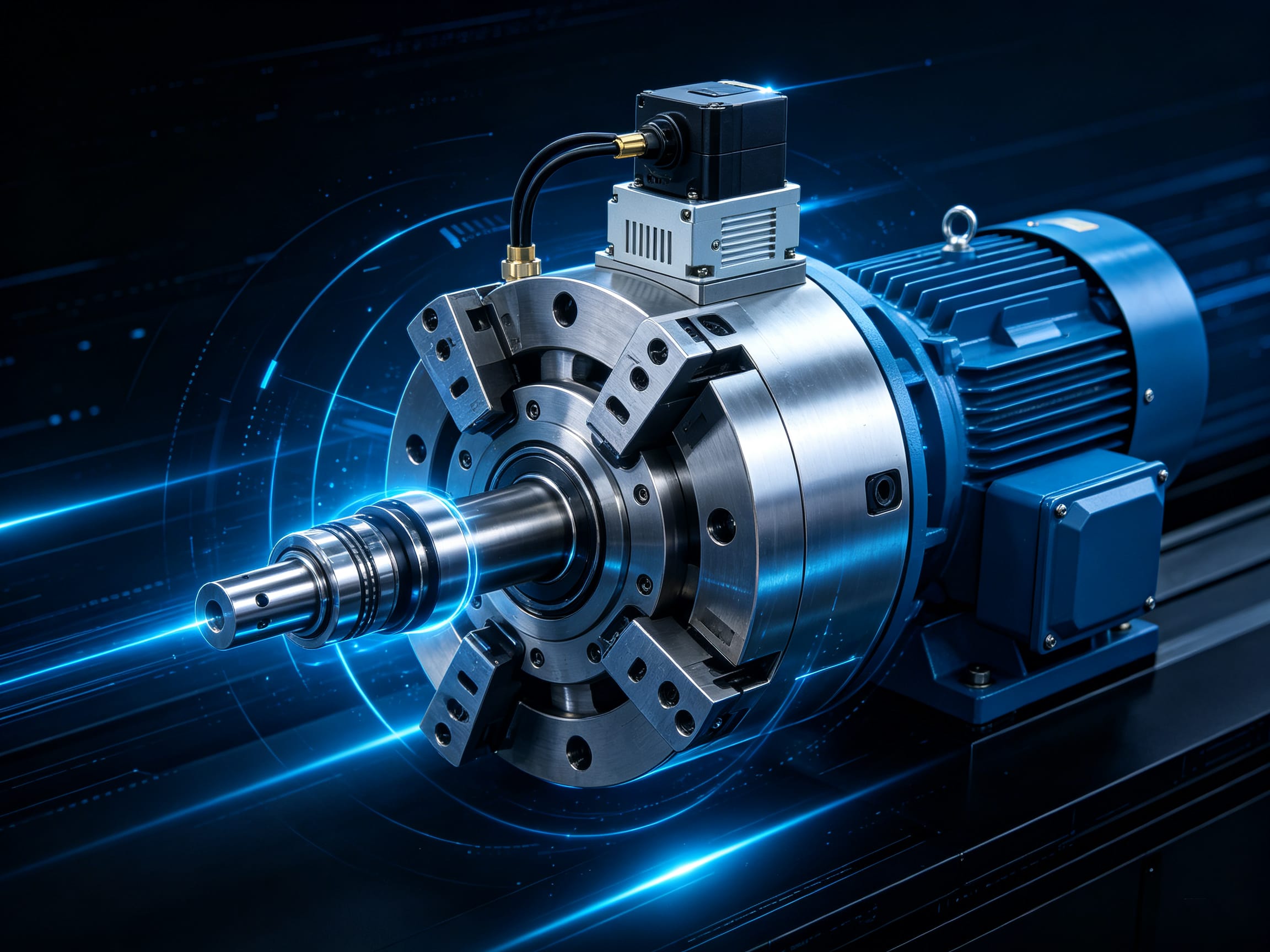
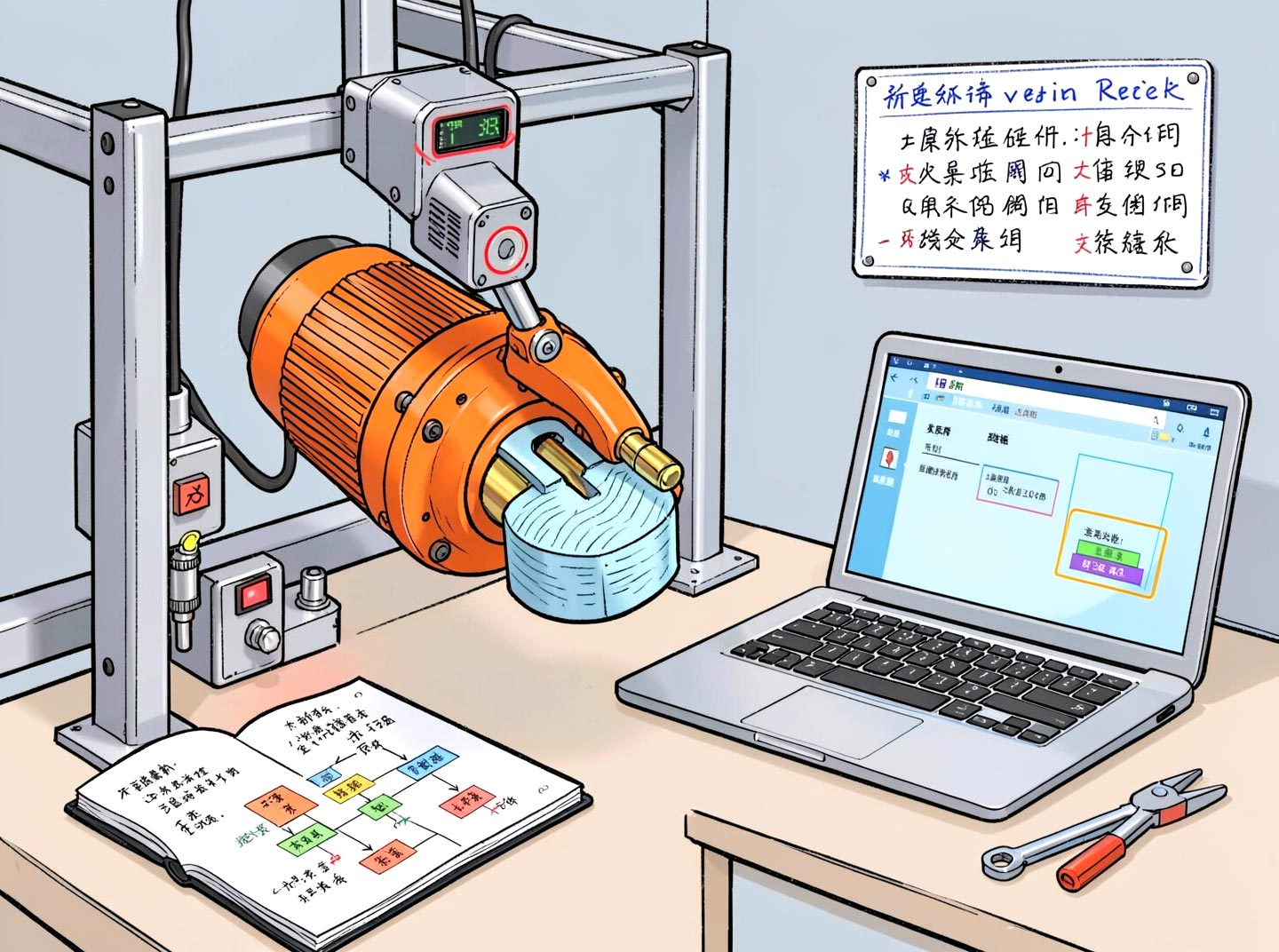
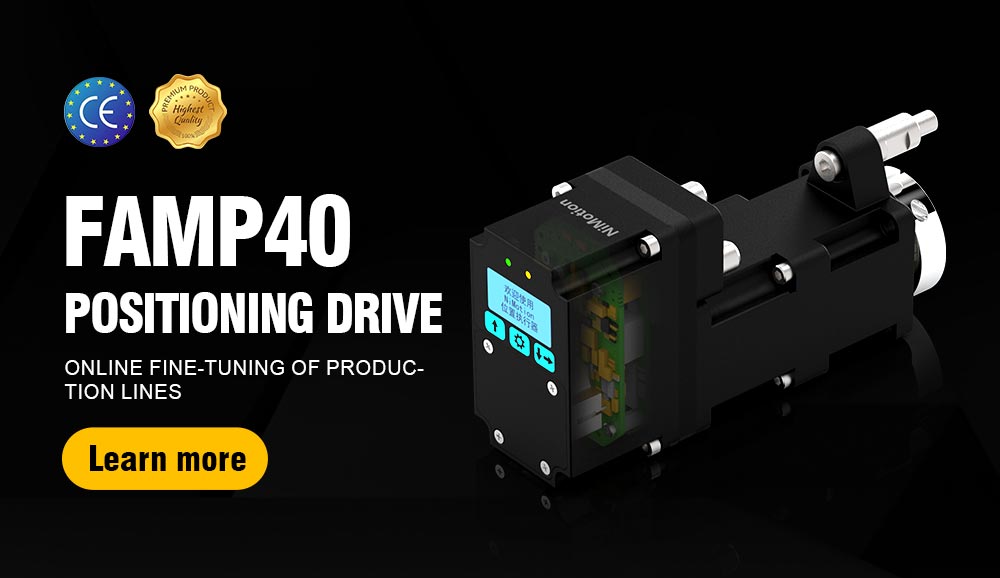
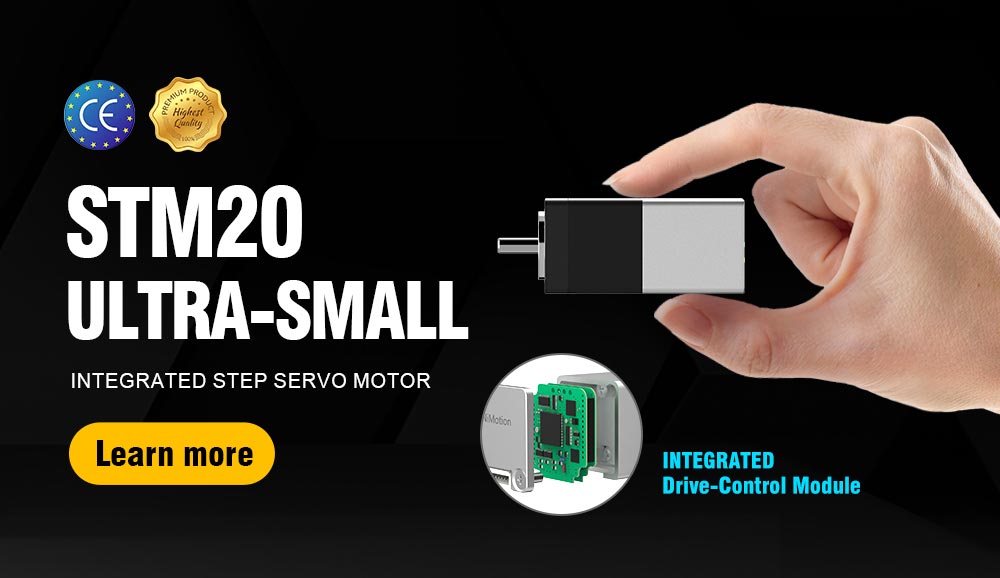
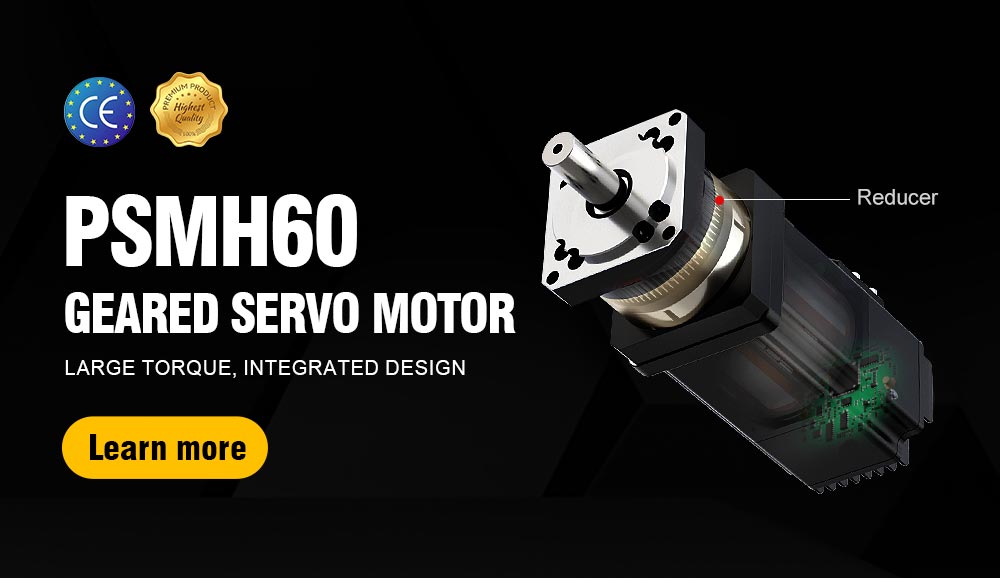
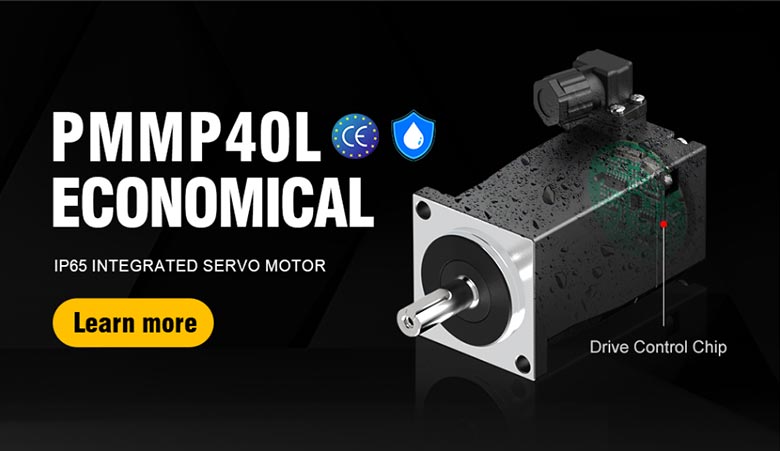
Compared with traditional separate motor and driver designs, integrated servo motors combine permanent magnet synchronous servo motors, controllers, drivers, and encoders into a single unit, making them smaller and more efficient. These characteristics make them ideal for LiDAR equipment with strict size and weight requirements.
In new LiDAR systems, integrated servo motors are primarily used for precision motion control of sensor architectures to achieve higher-precision laser scanning and stability. LiDAR systems with integrated servo motors are lightweight, responsive, and agile, making them suitable for deployment on various mobile platforms to meet the demands of miniaturization and high performance.
For example, in ranging and scanning LiDAR, integrated servo motors can drive the angle and position control of the laser transmitter, enabling fast and accurate scanning of target areas.
02. Application Solution
In LiDAR equipment, by setting the profile position mode on the control side and controlling the integrated servo motor to perform position movements, three-dimensional wind field detection can be achieved with wide area coverage.
Motor Model: PMM6020B
Control Mode: Profile Position Mode
Through the upgrade of the servo scanning control system, multiple scanning modes such as DBS, VAD, PPI, RHI, and CAPPI fixed-point scanning can be realized. This enables fine detection of three-dimensional wind fields from ground level to high altitude, and allows real-time, stable, and accurate measurement of vertical wind speed, horizontal wind speed, and full current intensity.
Advantages of Integrated Servo Motors
High integration improves equipment portability: Integrated servo motors combine brushless motors, drivers, encoders, and controllers into a single unit, significantly reducing equipment size and weight while simplifying wiring and reducing potential failure points.
Flexibility to meet diverse needs: Supports CAN/CANopen/Modbus communication, allowing flexible control and adjustment according to different work requirements.
High-precision positioning improves measurement accuracy: High positioning accuracy enables precise positioning of mobile equipment.
Multiple control modes: Supports PP, VM, PV, PT, HM, IP, CSP, CSV, CST standard modes, as well as NiMotion position mode, speed mode, and torque mode.
High-speed response improves equipment efficiency: Fast response speed enables quick adjustment of equipment angle and position, improving work efficiency.
Comprehensive alarm function: Power-on self-diagnosis can detect hardware faults in a timely manner; equipped with multiple safety protection functions including overvoltage/undervoltage, overheat, overcurrent, and stall alarms. LED flashing alarm intuitively displays the current status of the motor.