Application of integrated stepper servo motors in capacitance detection equipment
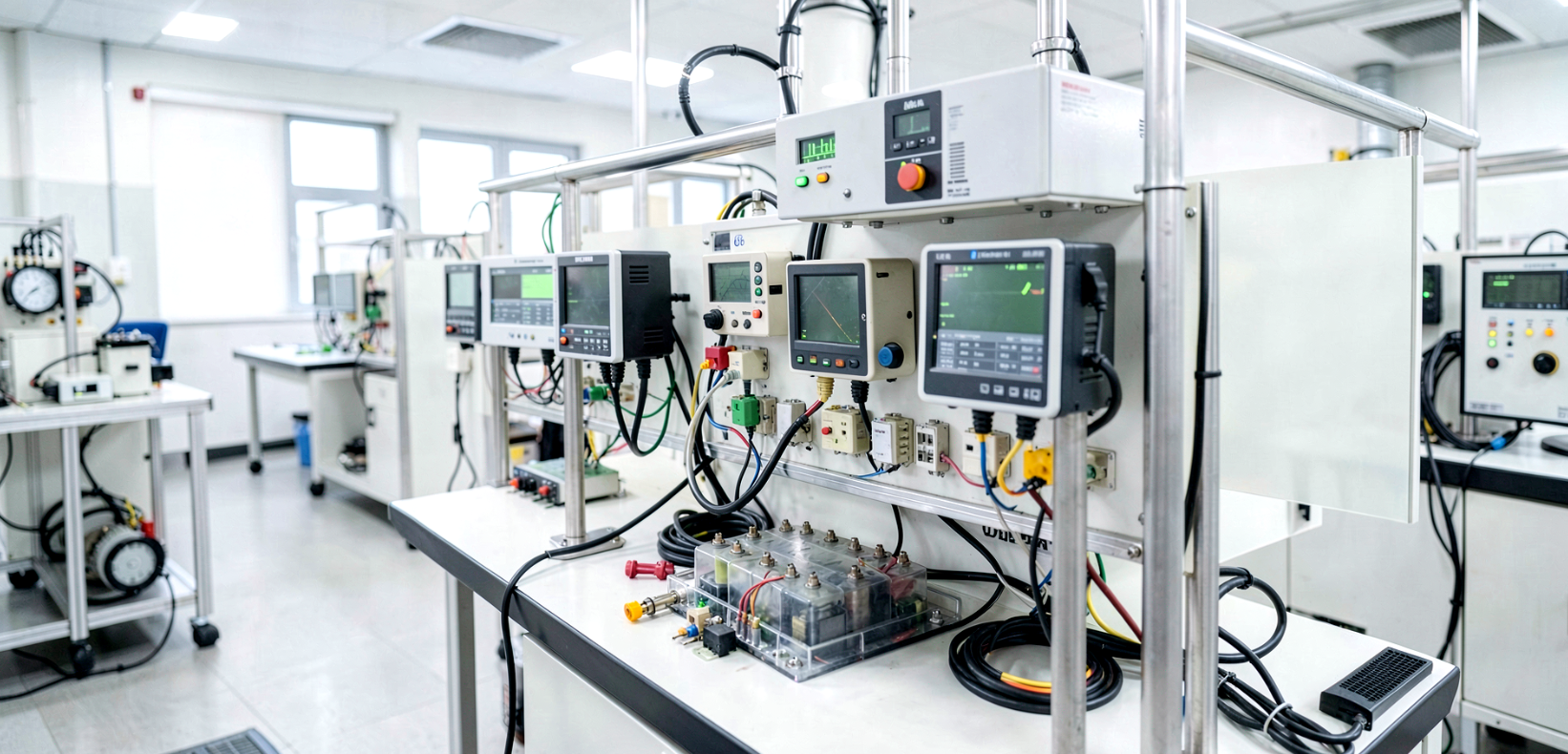
In modern electronics manufacturing, capacitors, as critical passive components, require precise testing of their performance parameters (such as capacitance and loss) to ensure the quality of electronic products. As electronic components evolve towards miniaturization, high density, and high reliability, unprecedented demands are placed on the automation level, testing efficiency, and positioning accuracy of capacitor testing equipment. Traditional cylinder or ordinary motor drive solutions often suffer from insufficient positioning accuracy, inflexible speed adjustment, large size, and complex control systems, making it difficult to meet the demands of high-precision, high-efficiency modern production lines. Integrated motors, which combine controllers, drivers, and motors into one unit, offer an ideal solution for upgrading high-precision automated testing equipment due to their superior integration, high-precision positioning, and ease of control.
I. Application Scheme
To optimize the performance of the capacitor testing equipment, an integrated stepper servo motor was selected to drive the critical positioning and focusing platform.
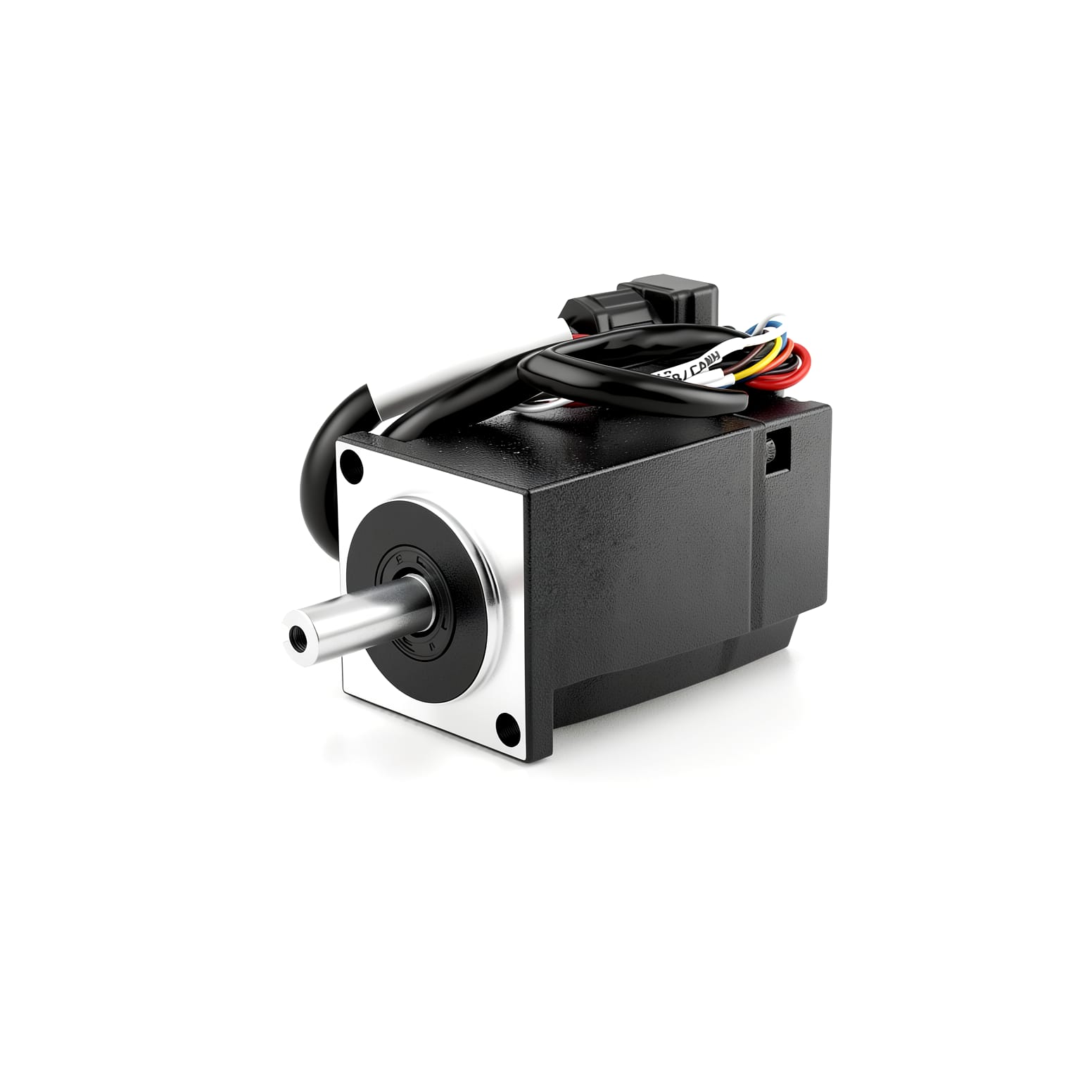
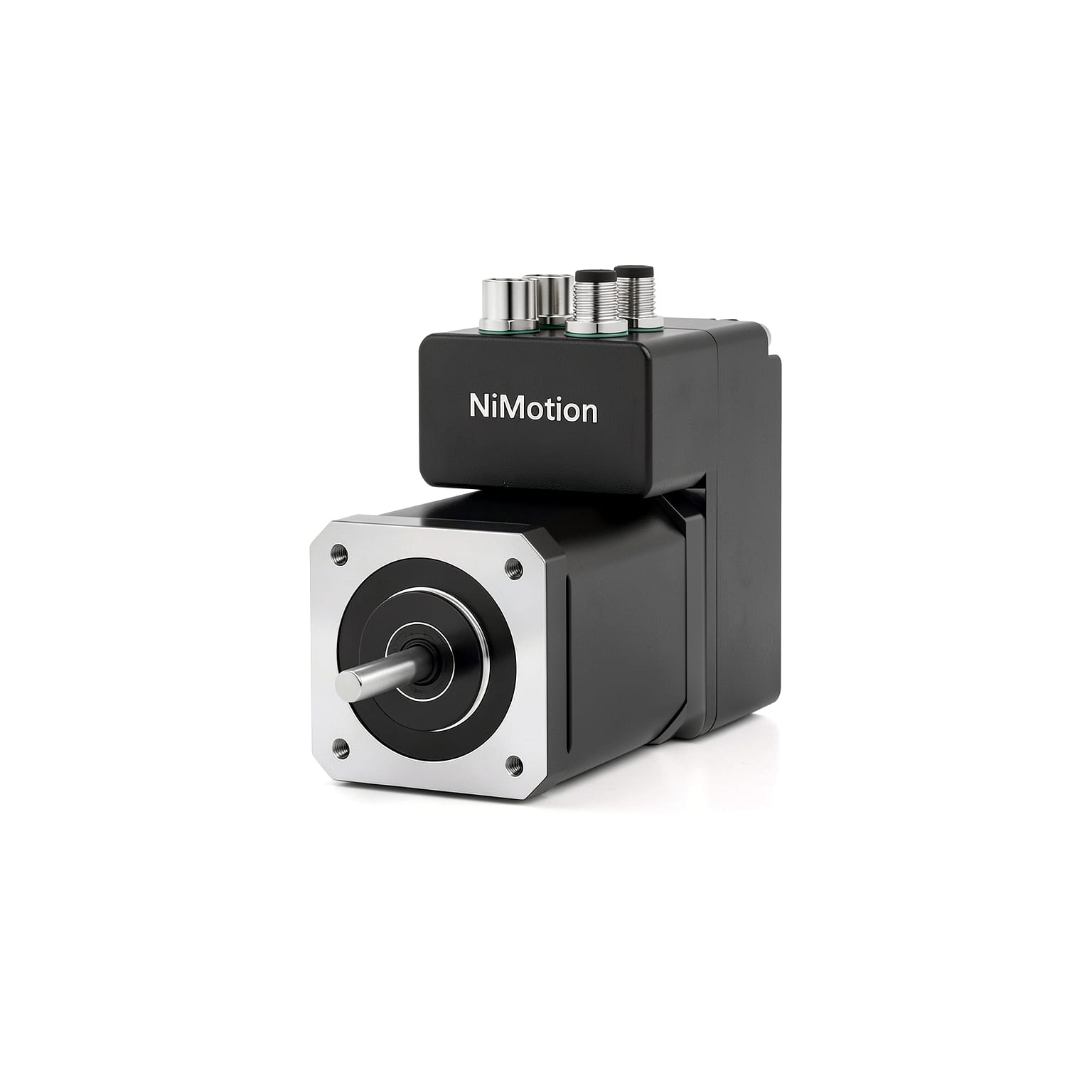
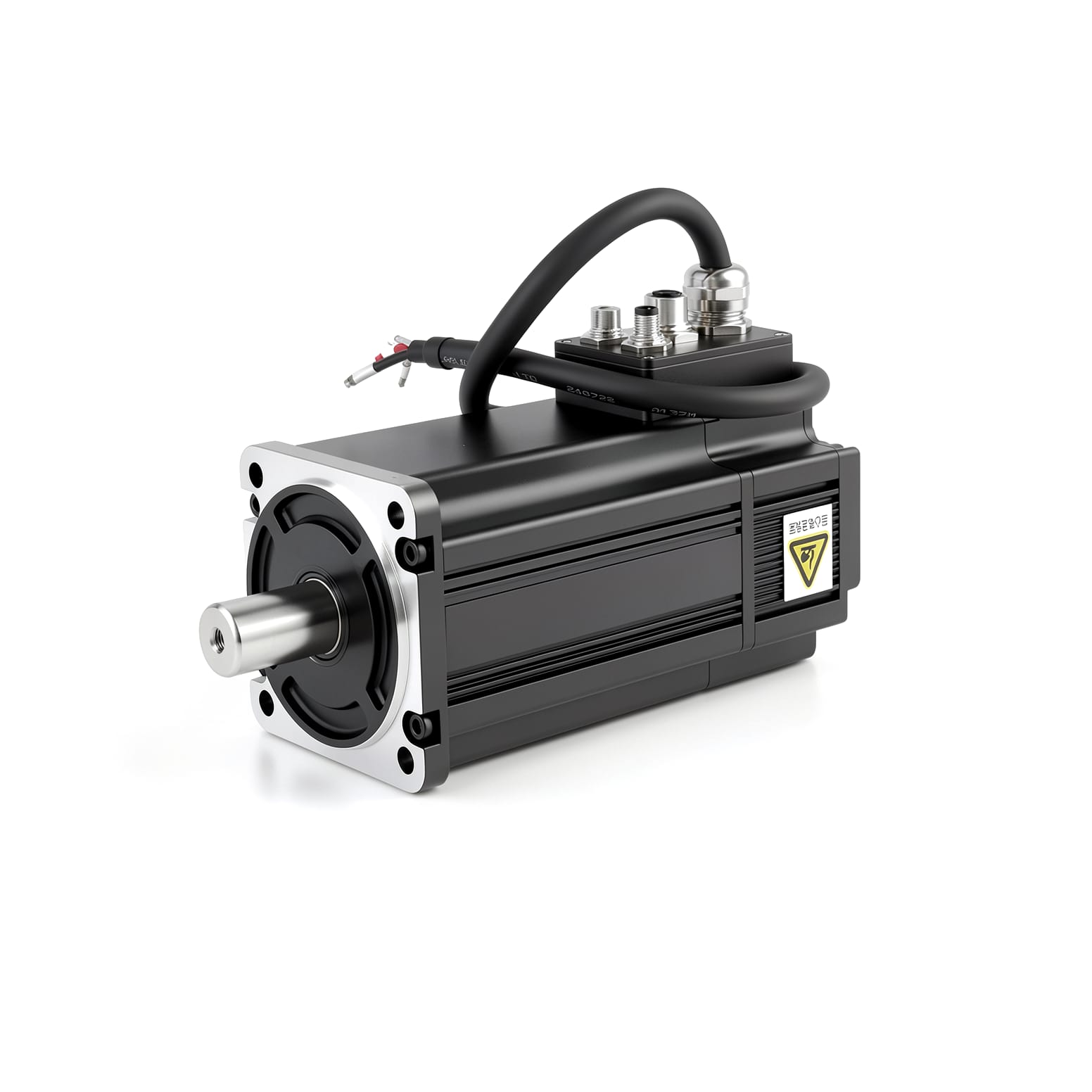
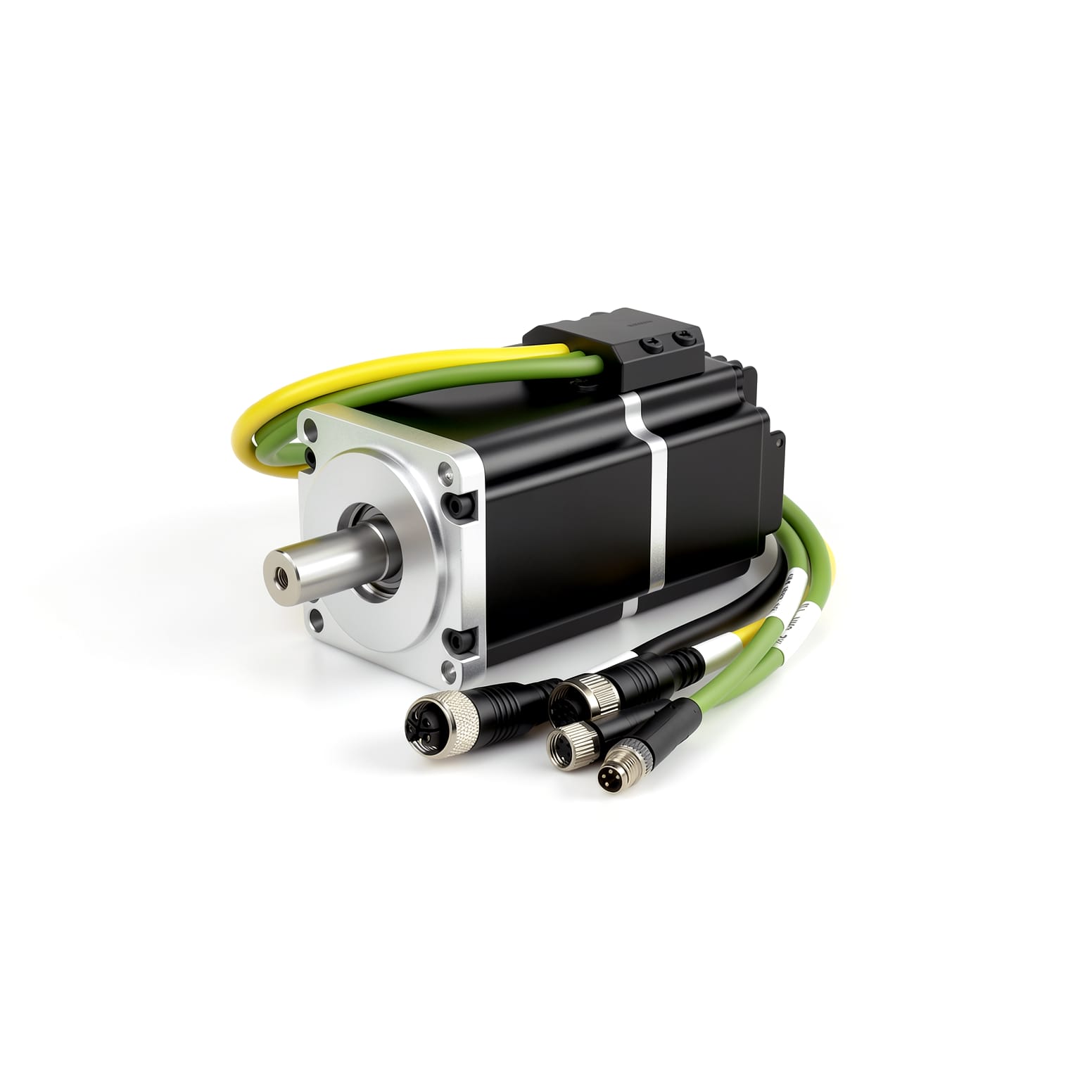
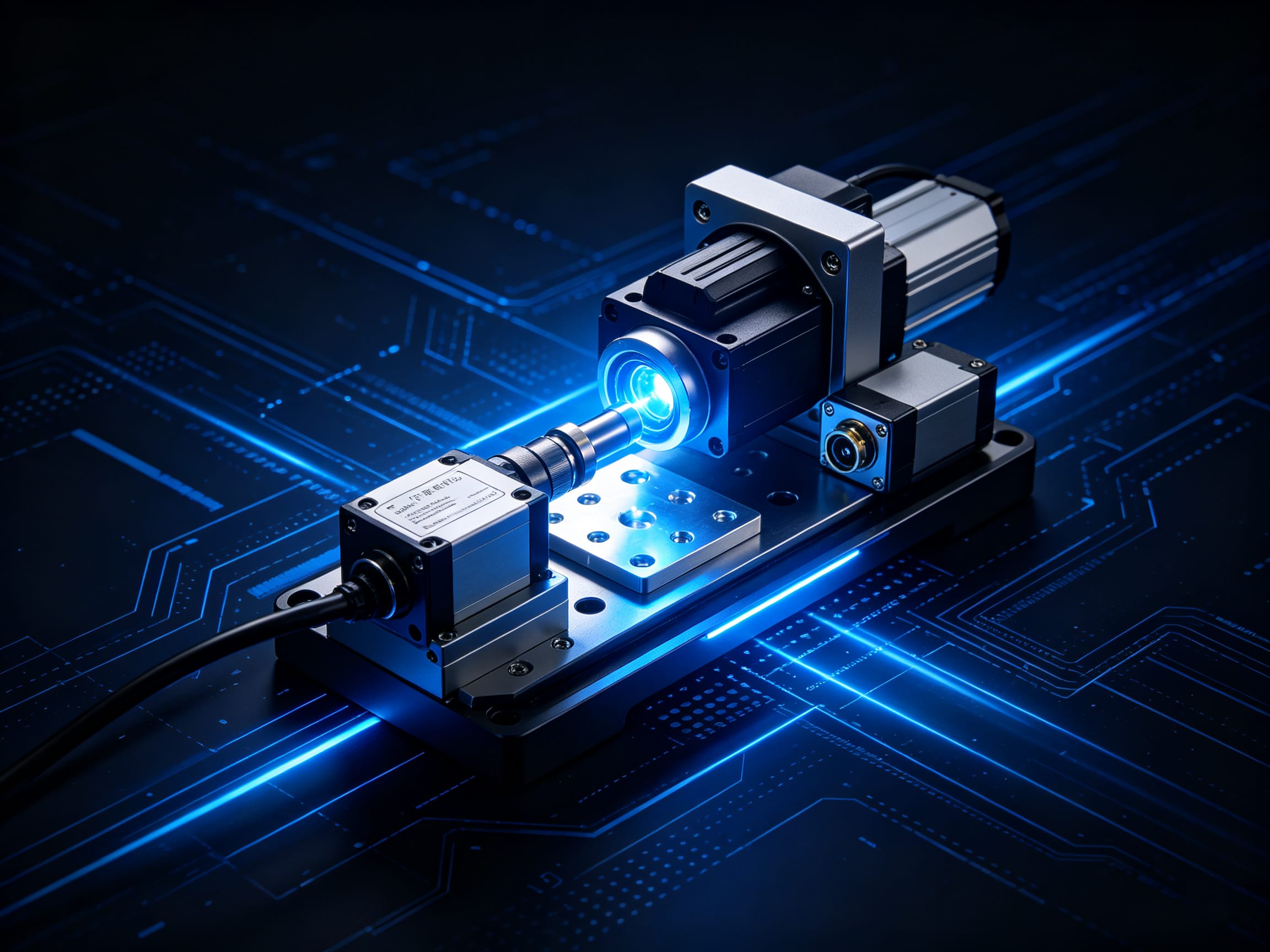
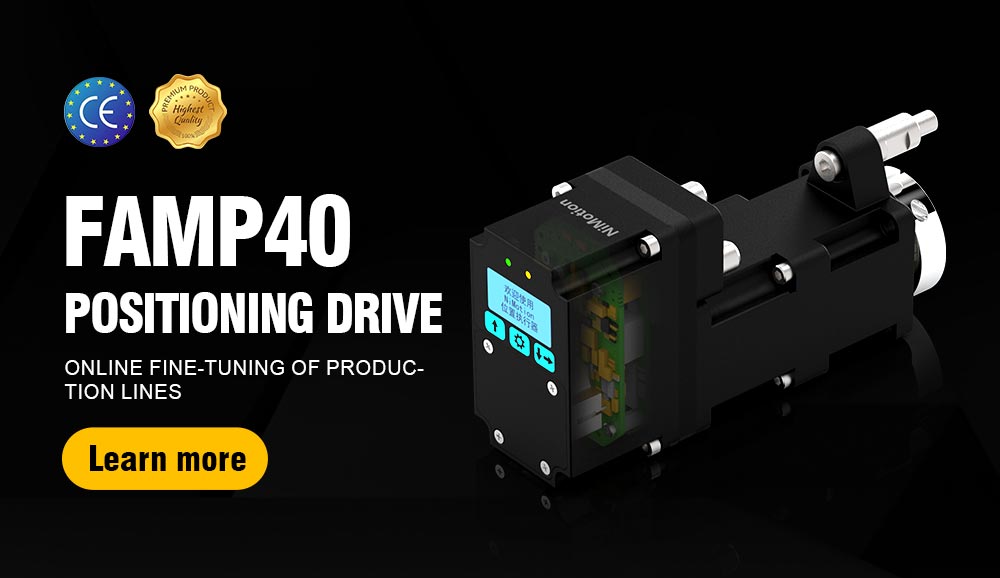
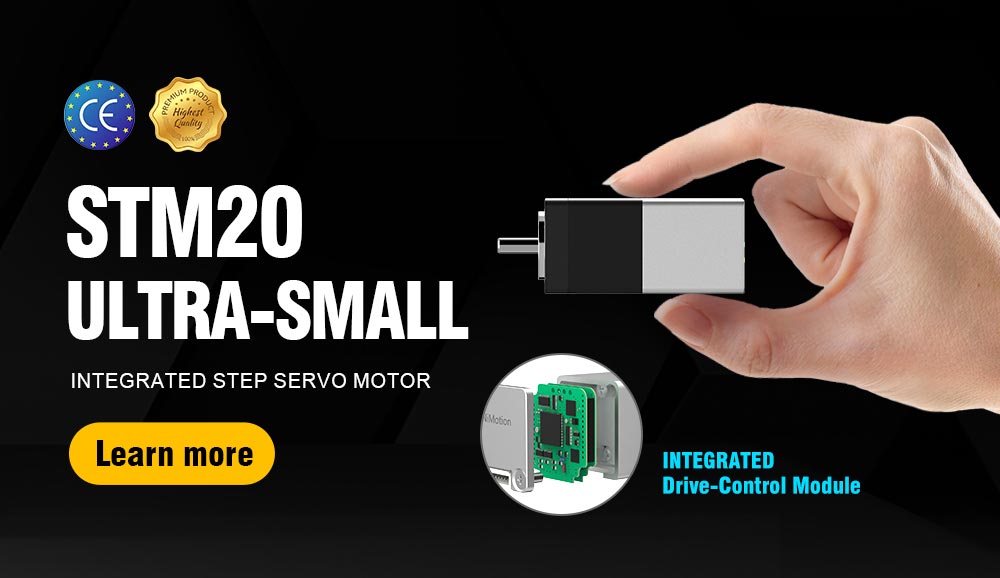
• Product Model: STM4240B-485-M-0FS Integrated Stepper Servo Motor
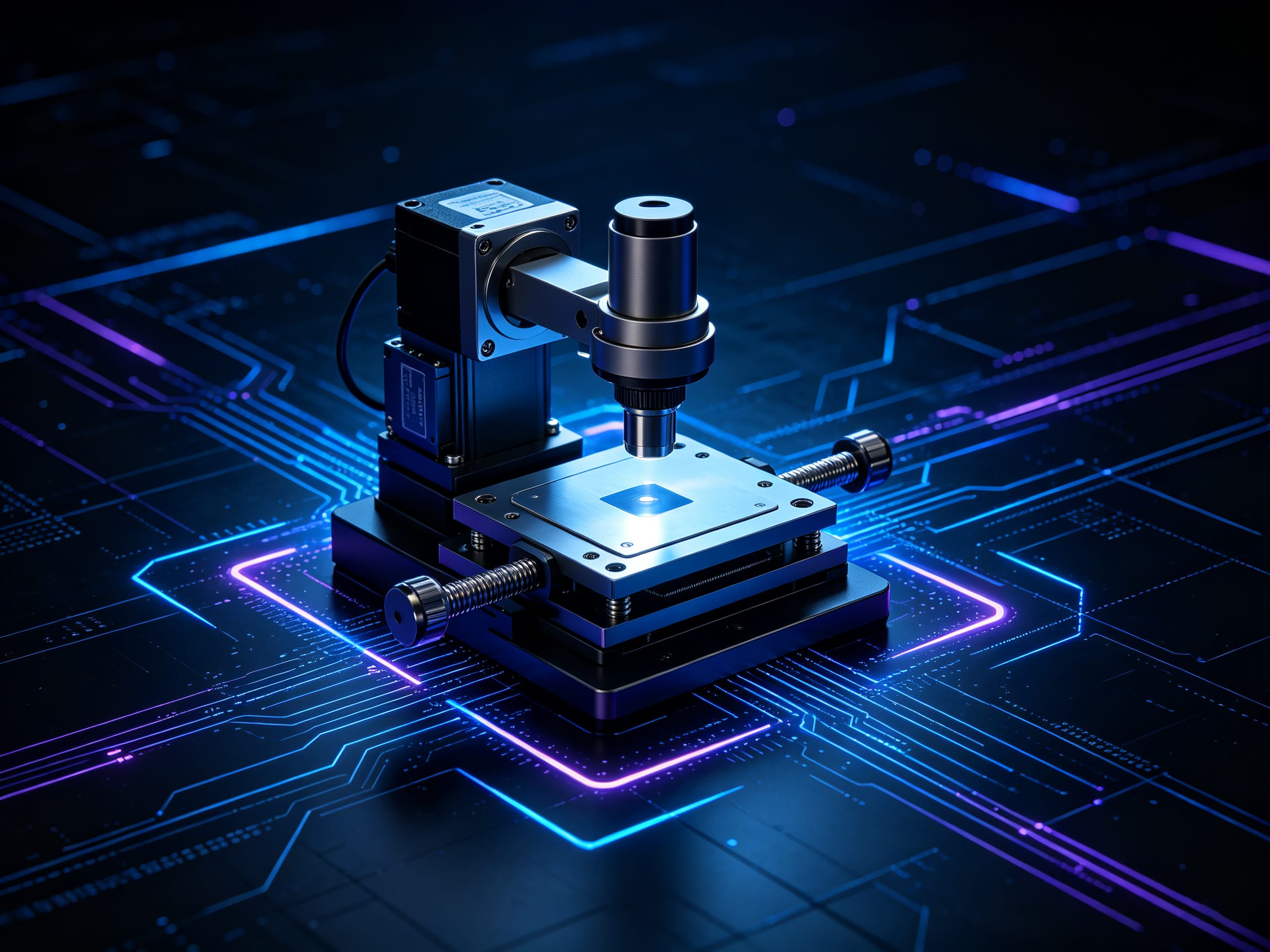
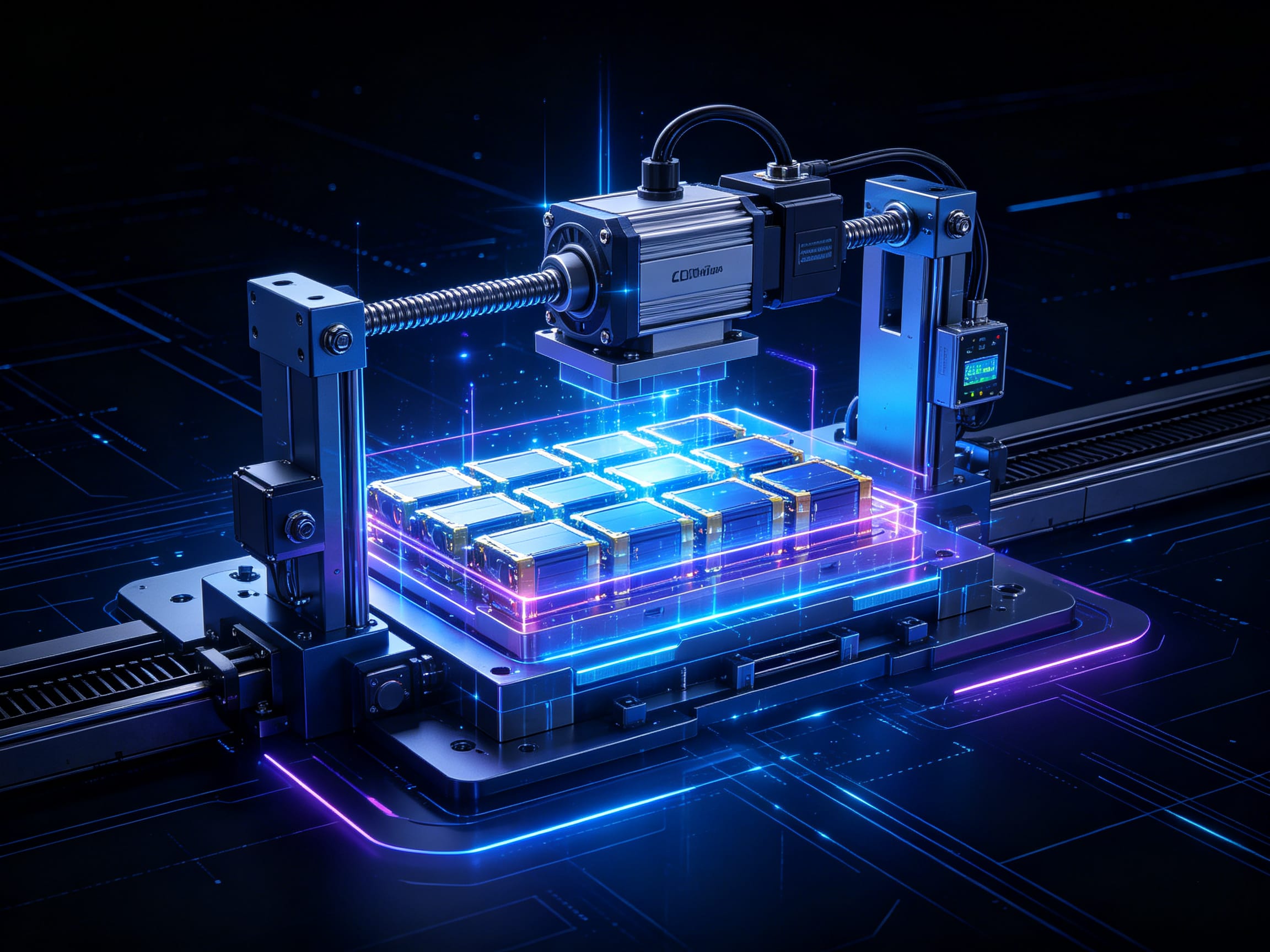
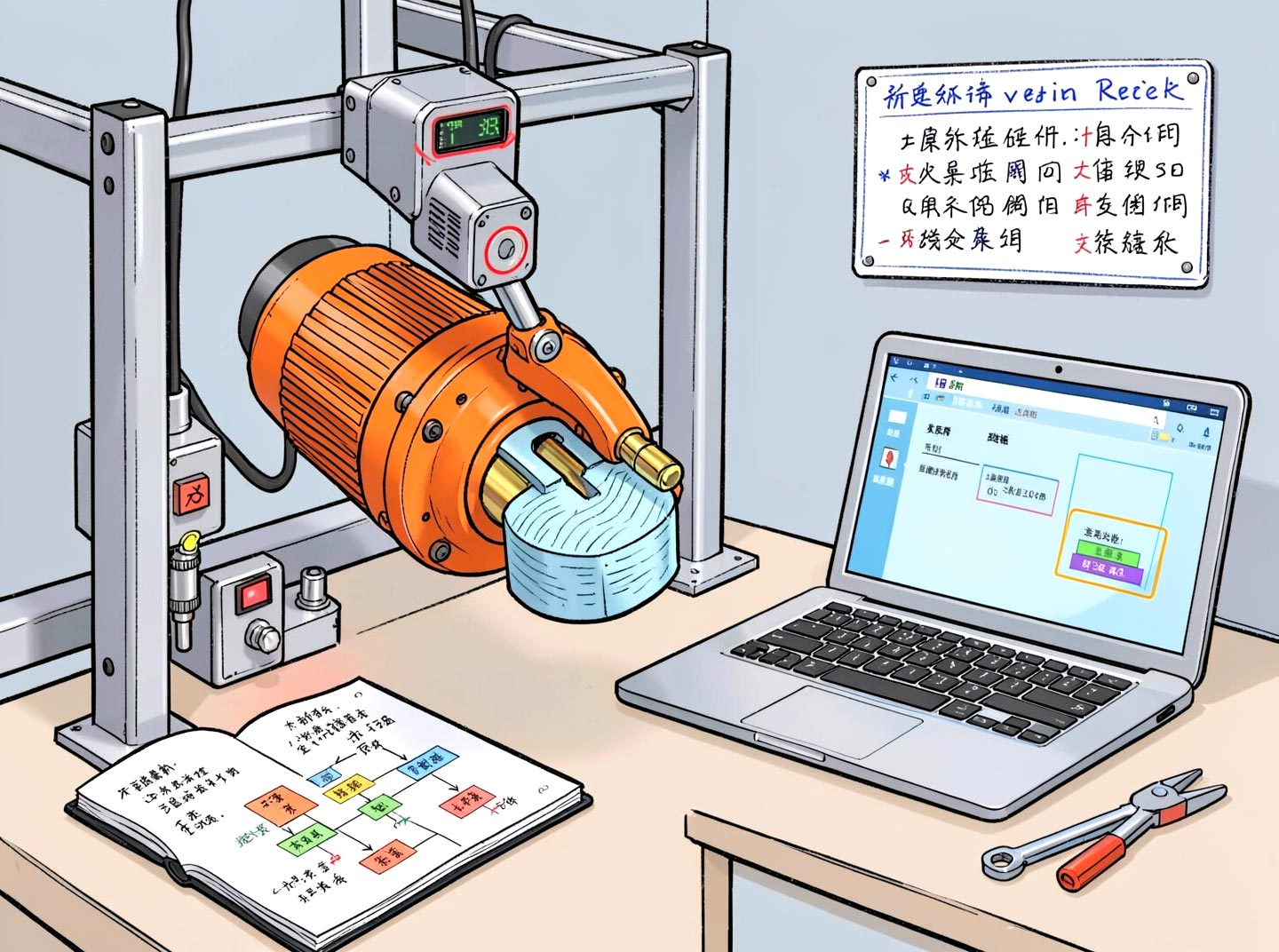
• Main Functional Application: In this case, the motor is used in position mode, undertaking the core task of driving the precision two-dimensional (X-Y) positioning platform or Z-axis focusing lifting mechanism of the capacitance detection equipment.
II. Application Products
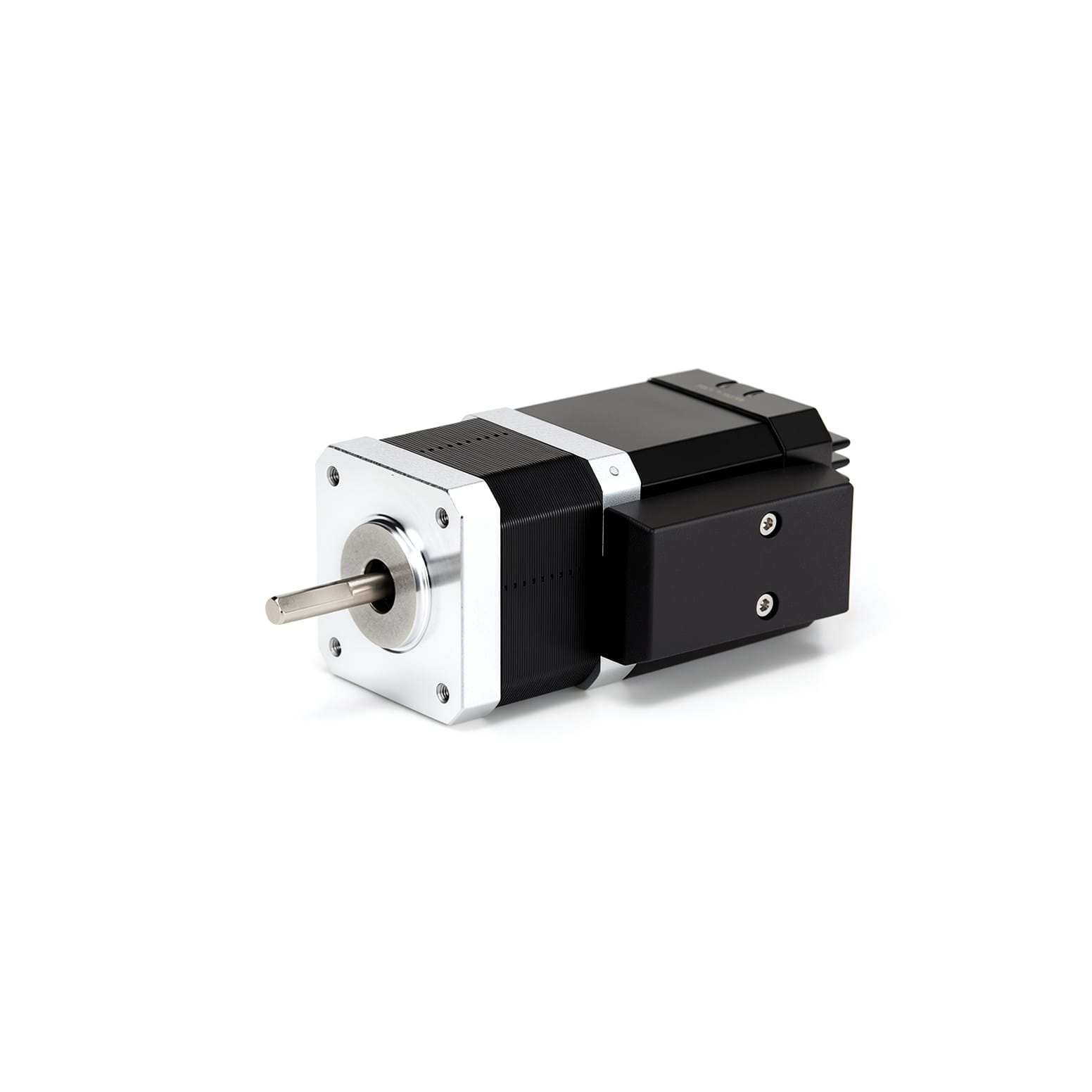
III. Problems, Challenges, and Solutions
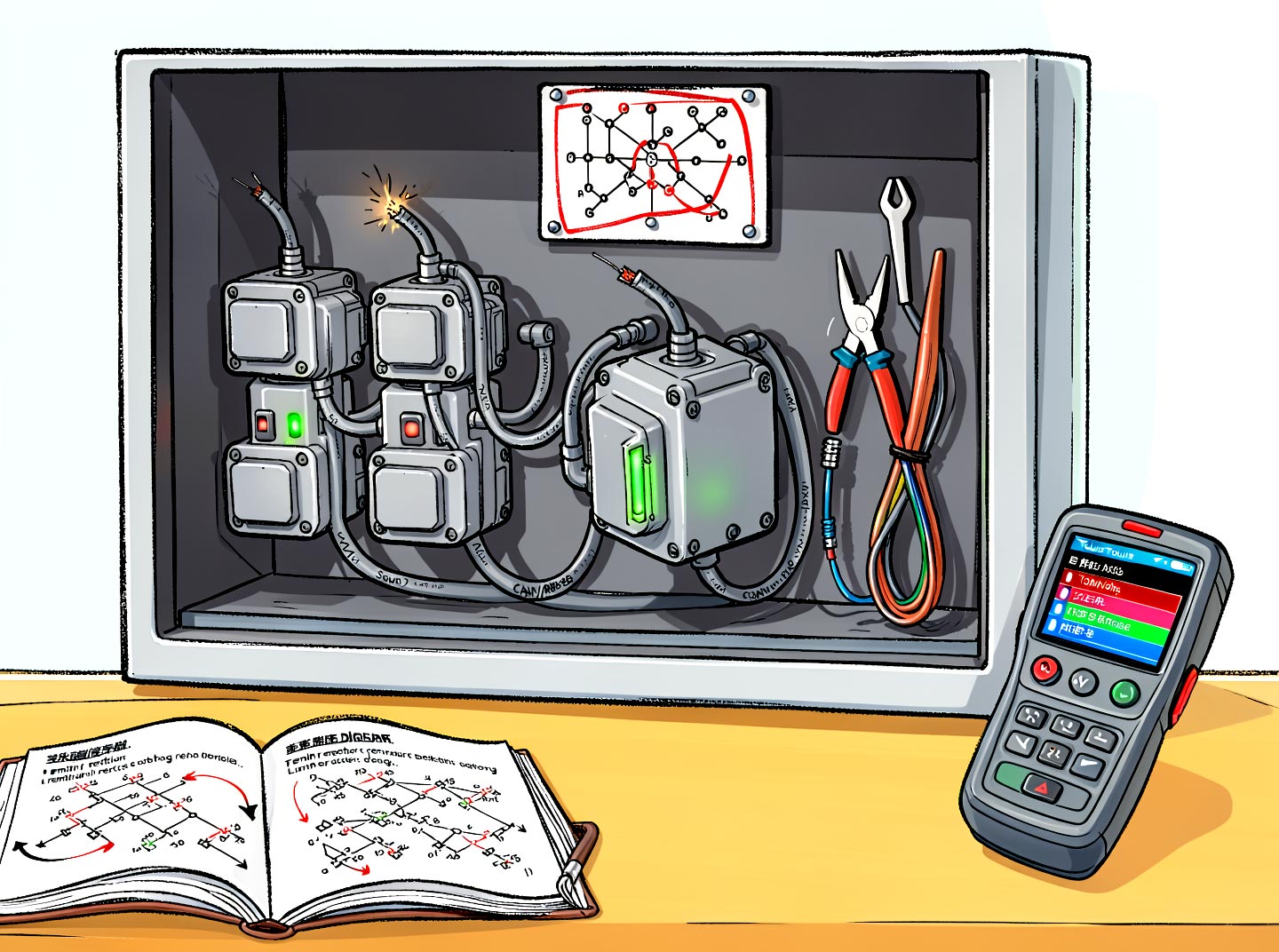
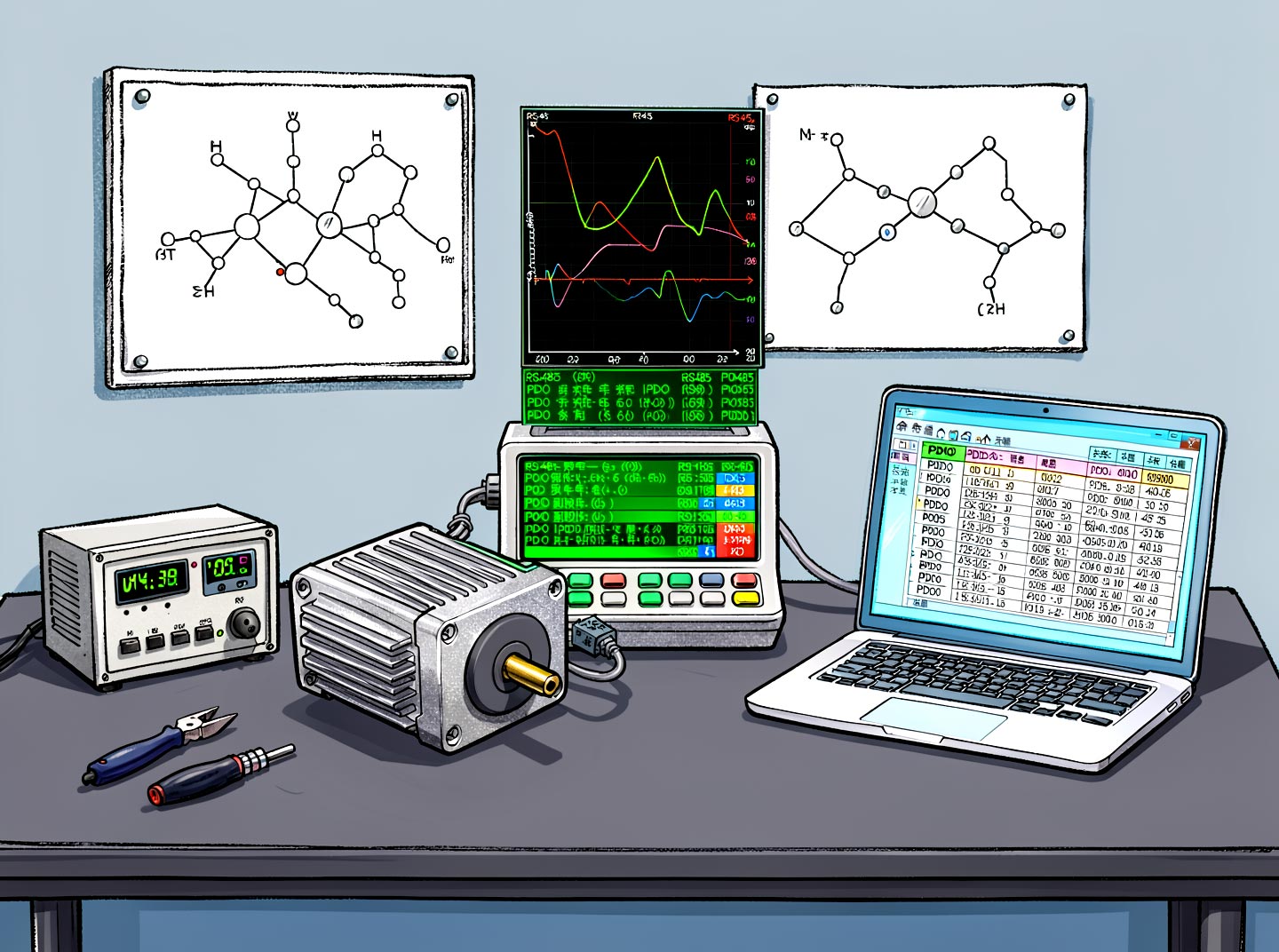
1. Communication Failure, Motor Unable to Enable Normally
Cause Analysis
After investigation, it was found that the RS-485 communication cable connecting the host computer and the integrated motor had physical damage (such as internal breakage or damaged shielding). This caused unreliable transmission of control commands, and the motor could not receive enable and motion commands.
Solution and Measures
Replaced with a high-quality, well-shielded standard industrial-grade RS-485 communication cable, ensuring that the connector connections were secure and reliable.
Results
After replacing the cable, communication immediately returned to normal, and the motor could stably receive commands and complete all actions such as enabling and positioning.
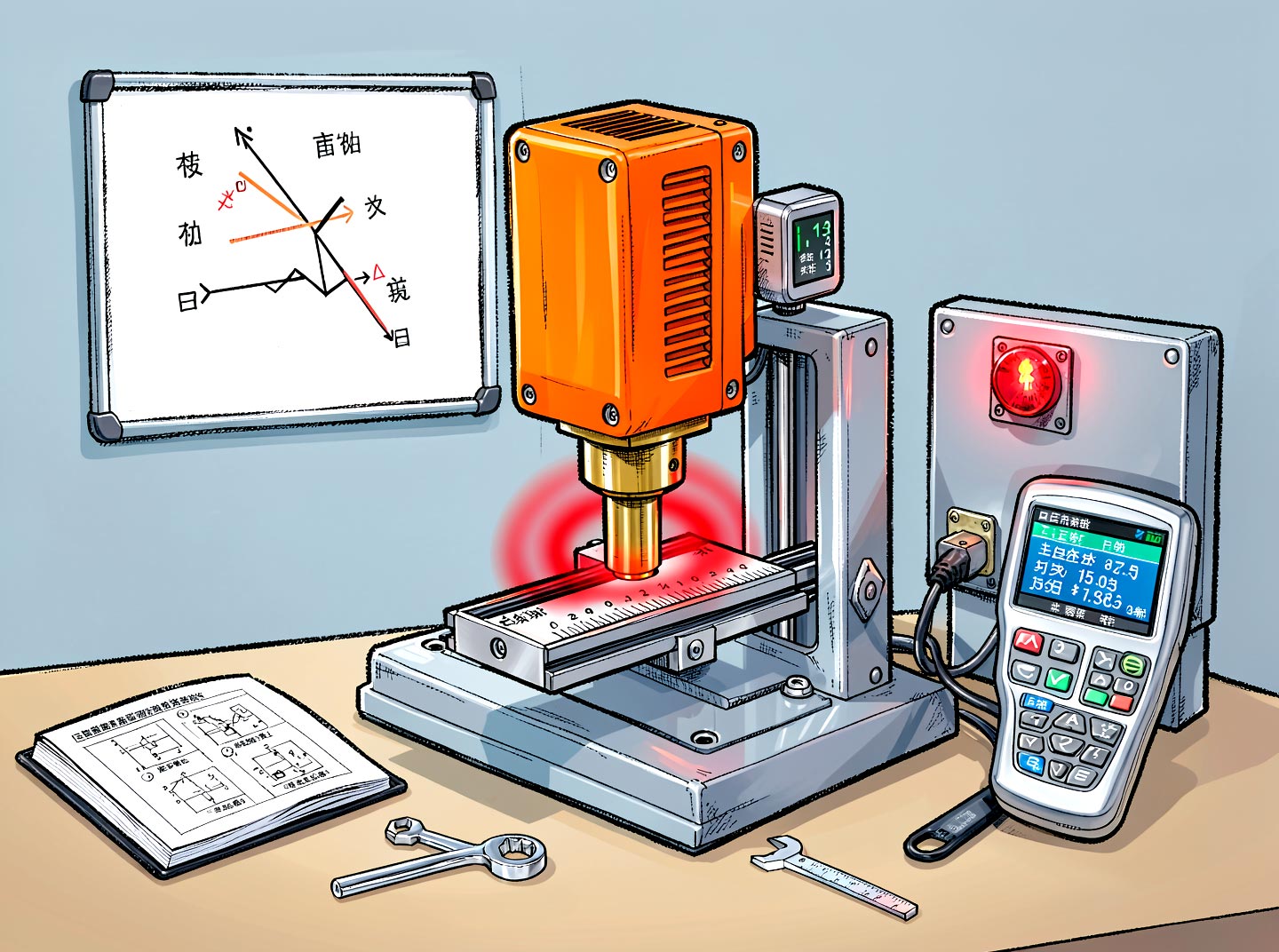
2. Excessive Alarm Response Time When Equipment Touches Hard Limit Position During Operation
Analysis of Causes
To prevent damage from overtravel, the platform is equipped with limit switches (hard limits). When the hard limit is reached, the system design triggers an emergency stop and alarm. Under the original parameters, the alarm processing delay was slightly longer, posing a risk of overshoot within a very short time.
Solutions and Measures
In the motor drive parameters, appropriately reduce the "maximum current duration" parameter related to "overcurrent protection" or "locked rotor protection." This parameter adjustment allows the motor to trigger the protection mechanism and stop more quickly when it detects abnormal resistance (such as touching the limit).
Results of the Solution
After optimizing the parameters, the alarm and shutdown response when the hard limit is triggered is faster and more decisive, effectively avoiding mechanical shock and improving equipment safety.
IV. Summary and Overview
Integrated stepper servo motors, with their significant advantages of integration, high precision, ease of use, and high reliability, perfectly meet the requirements of high-precision capacitance detection equipment for core motion control components. The successful application of this case provides a valuable upgrade reference solution for many automated equipment that require precise positioning, such as electronic component testing, semiconductor packaging, and precision dispensing, demonstrating its important role in promoting the development of industrial automation equipment towards higher performance and greater compactness.