Application of integrated servo motor in pipeline inspection robot
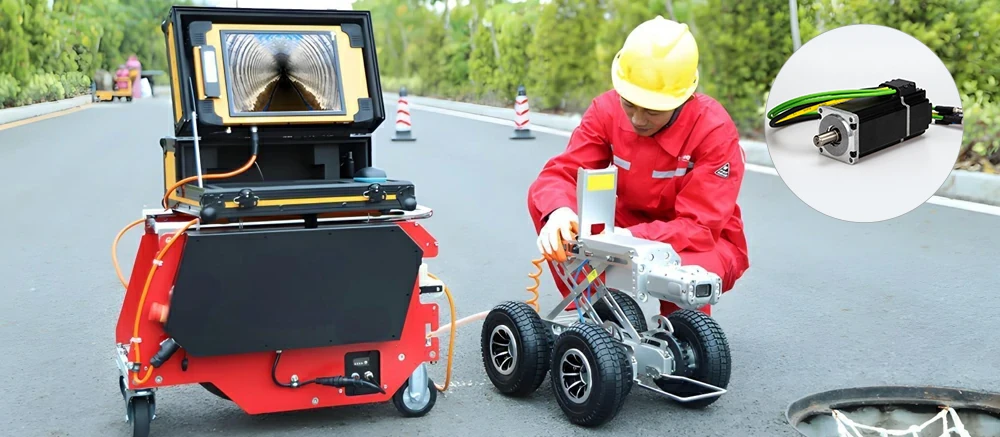
The application of integrated servo motors in pipeline inspection robots is gaining more and more attention. Pipeline inspection robots are intelligent devices that can perform inspections and maintenance inside pipelines. They can detect internal structures, leaks, corrosion and other problems of pipelines to ensure the safety and stable operation of pipelines. As the power source of the robot, the integrated servo motor is crucial to the precise control and motion performance of the robot.
01. Equipment Introduction
The pipeline robot system is mainly composed of a crawler, a wire-reeling vehicle, a control terminal, and a wireless operation box.
Crawler: Suitable for small pipe diameters; the vehicle body can be equipped with a lifting frame and replaceable tires of different sizes to meet the needs of detecting pipes of different diameters; it can be equipped with a widened chassis to meet the needs of different operating scenarios; it has good sealing and waterproof performance.
Portable wire take-up vehicle: Centimeter-level meter device, movable universal wheel design, servo high-torque motor, optional electric wire take-up, one-button emergency stop device.
Control terminal equipment: High brightness resolution touch screen; supports multi-language text, number and character input; large-capacity hard disk memory; multiple ports, etc.
The pipeline inspection is directed by the ground control console. It can easily move its body forward, backward, left and right. The "head" with a camera can rotate, and a pair of "eyes" can also light up the surroundings. It crawls in the pipeline while turning its little head, and everything captured by this "eye" is clearly displayed on the screen of the main controller.
The system will automatically record the crawling distance and accurately locate the specific location of defects in the pipeline. It can also automatically generate a report for a specified section based on the set conditions, or generate a report time period for a certain section of the detected pipeline, which is convenient and quick.
02. Solution
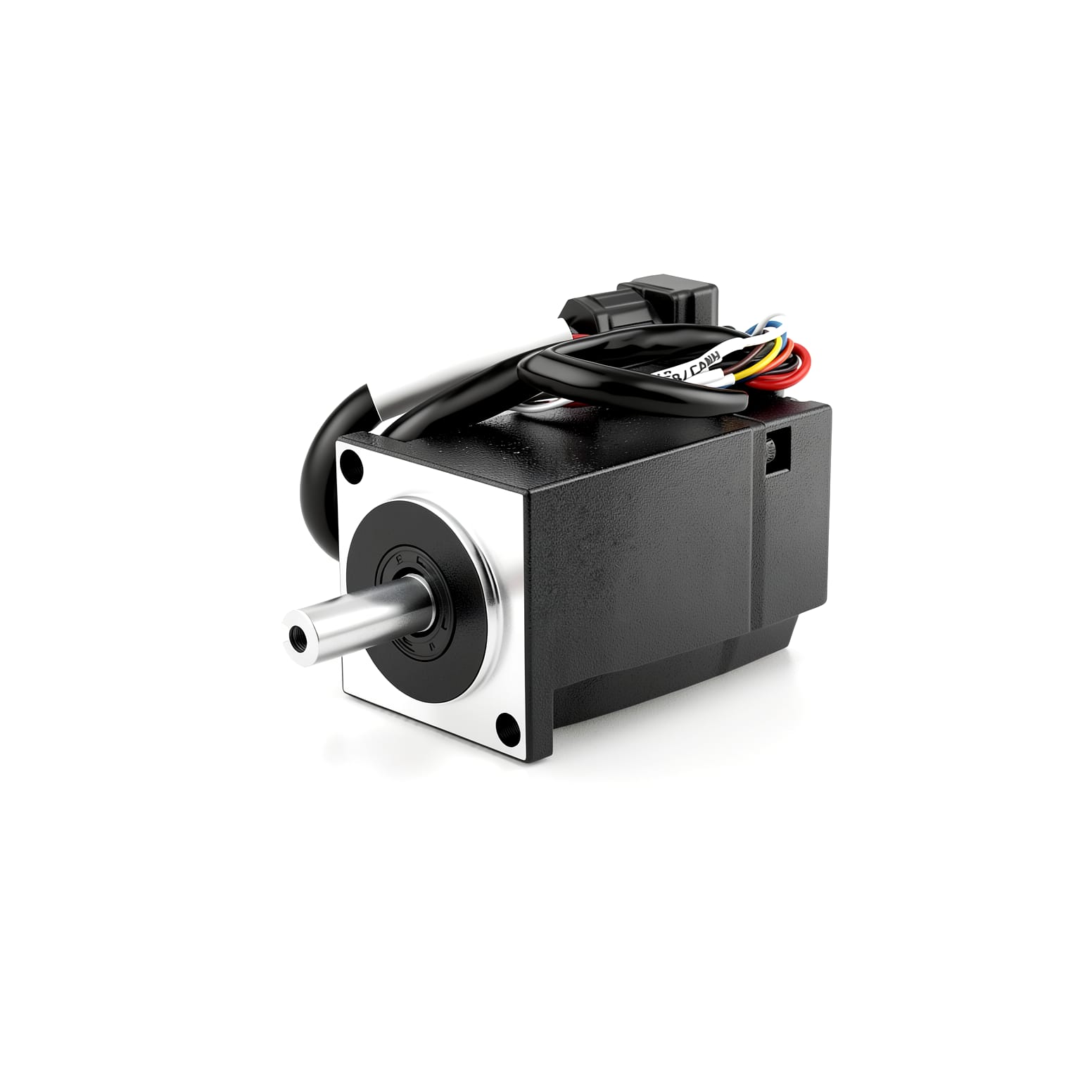
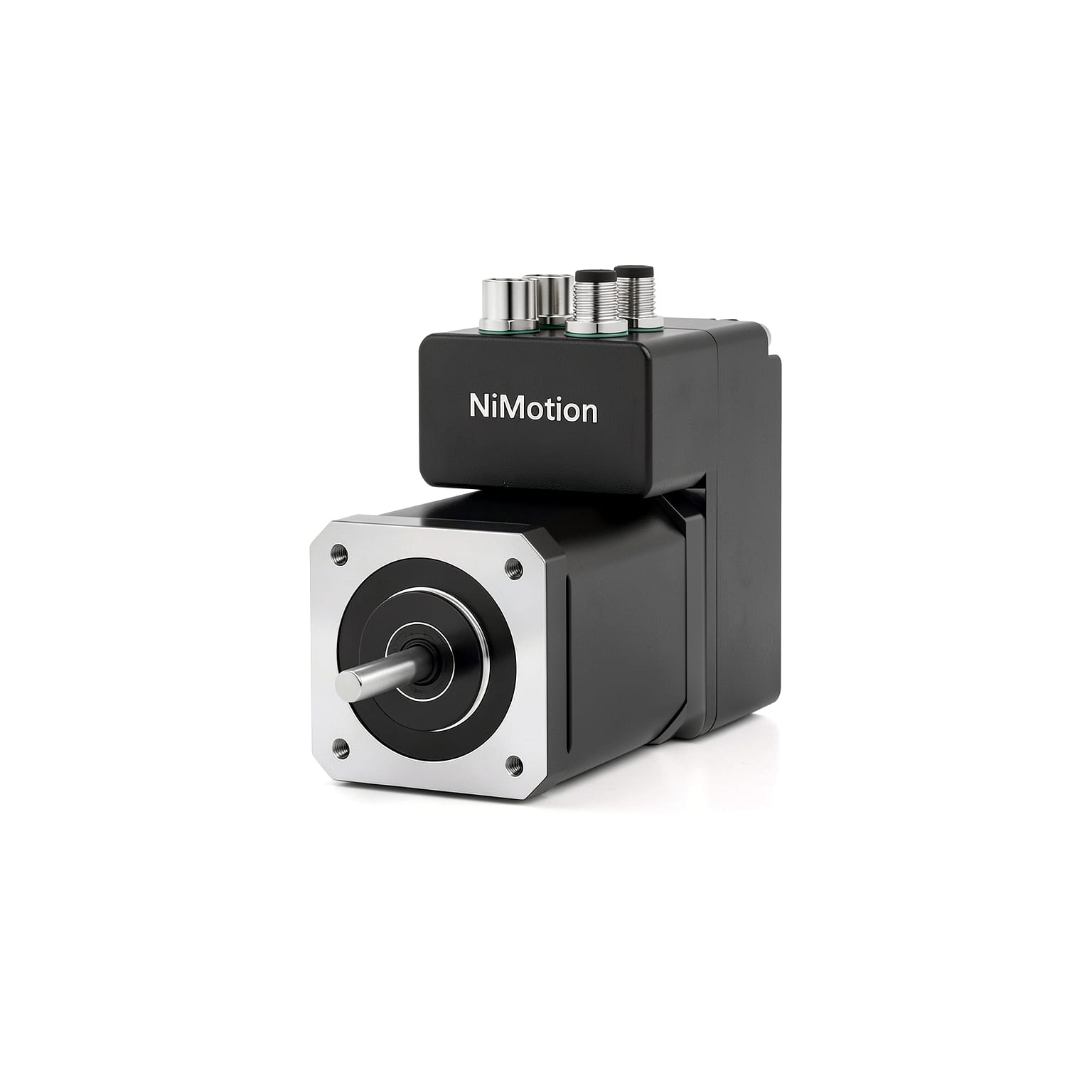
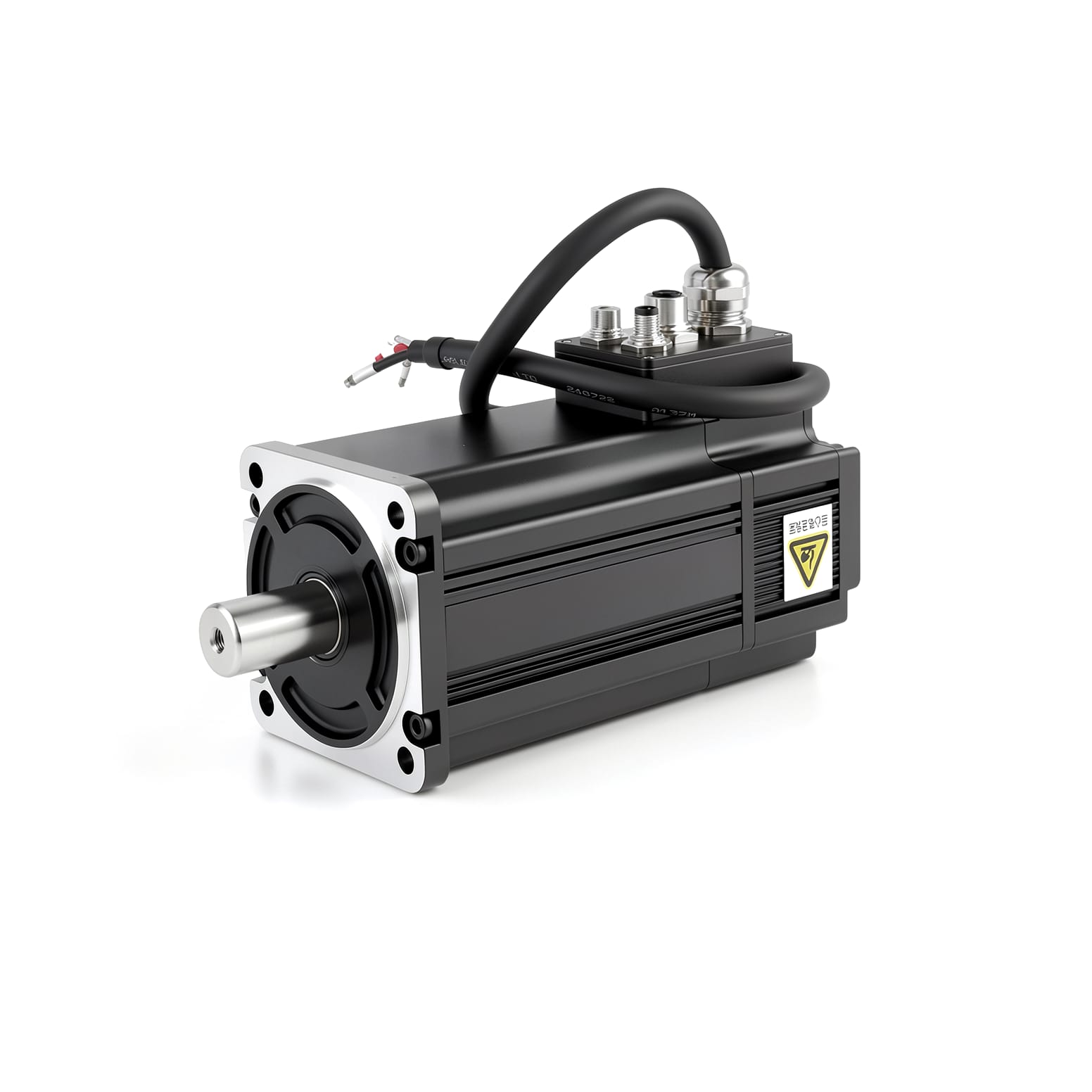
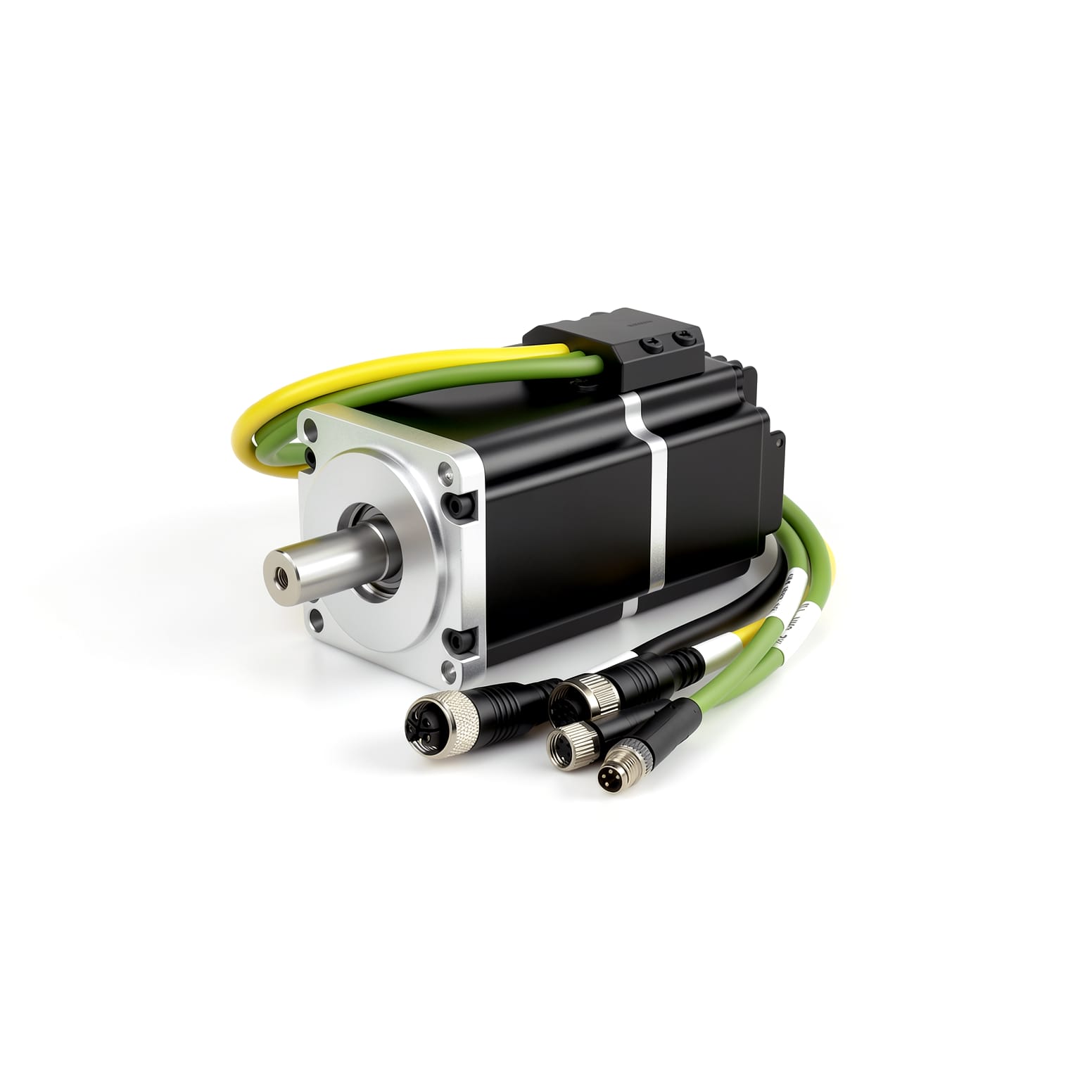
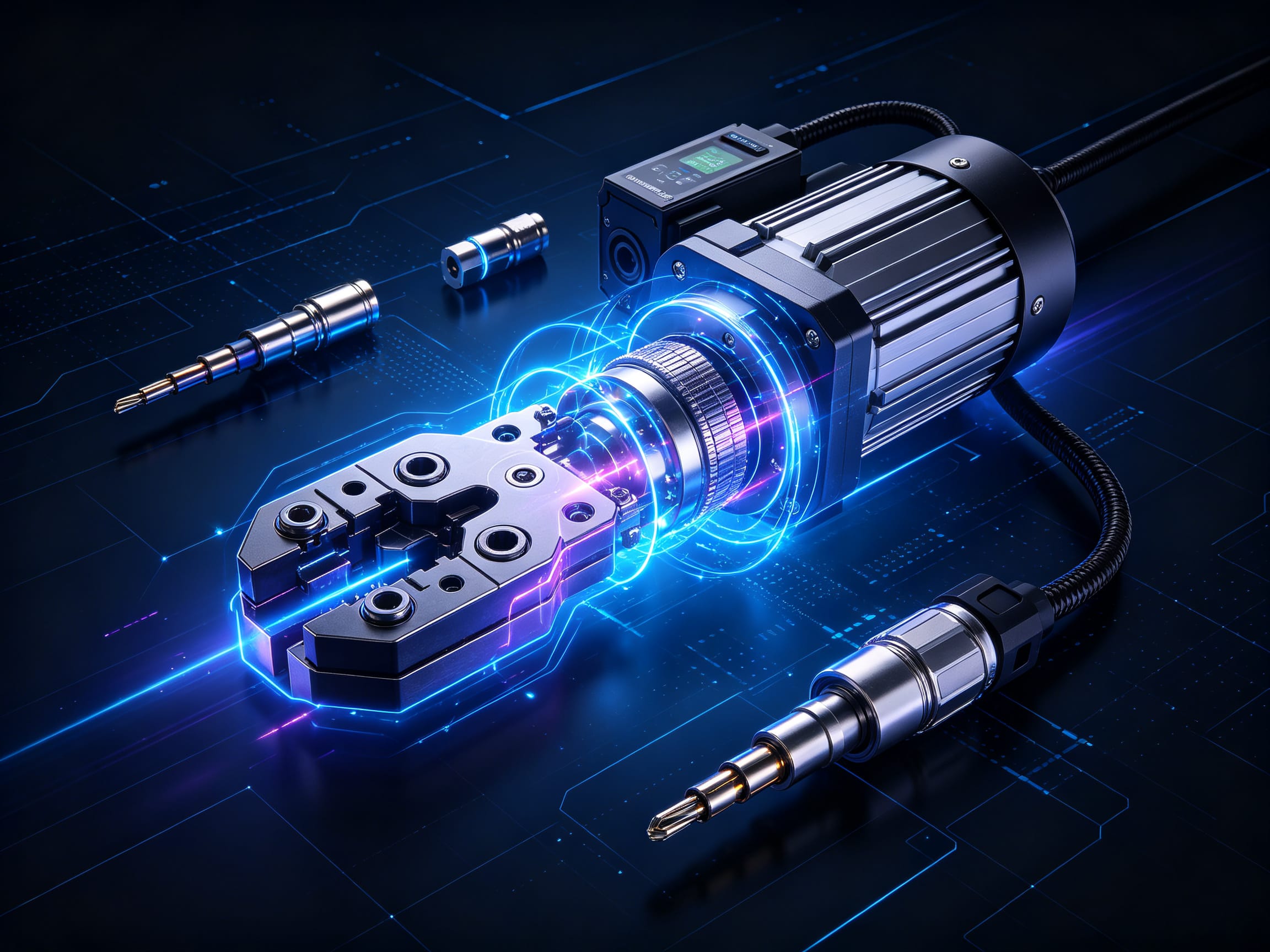
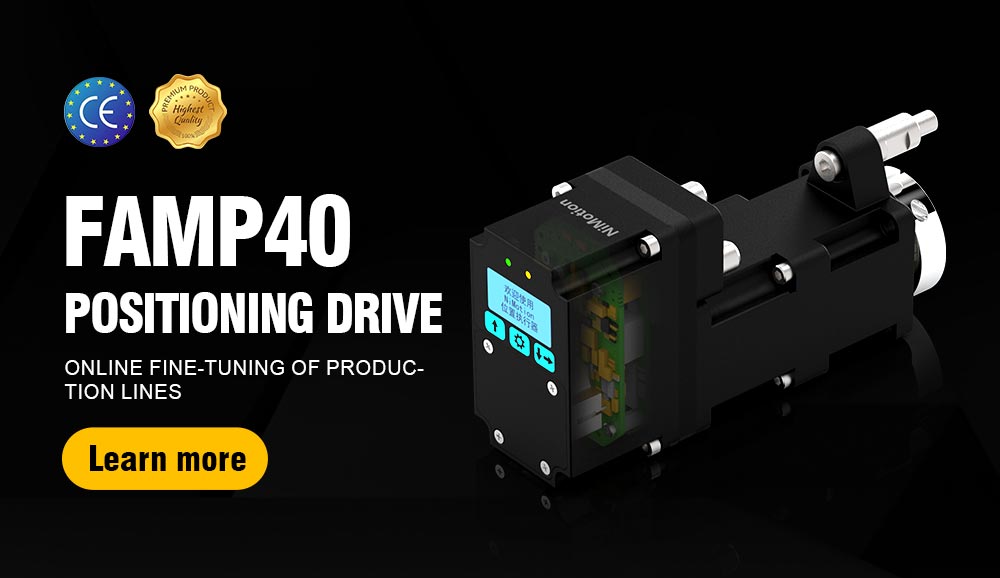
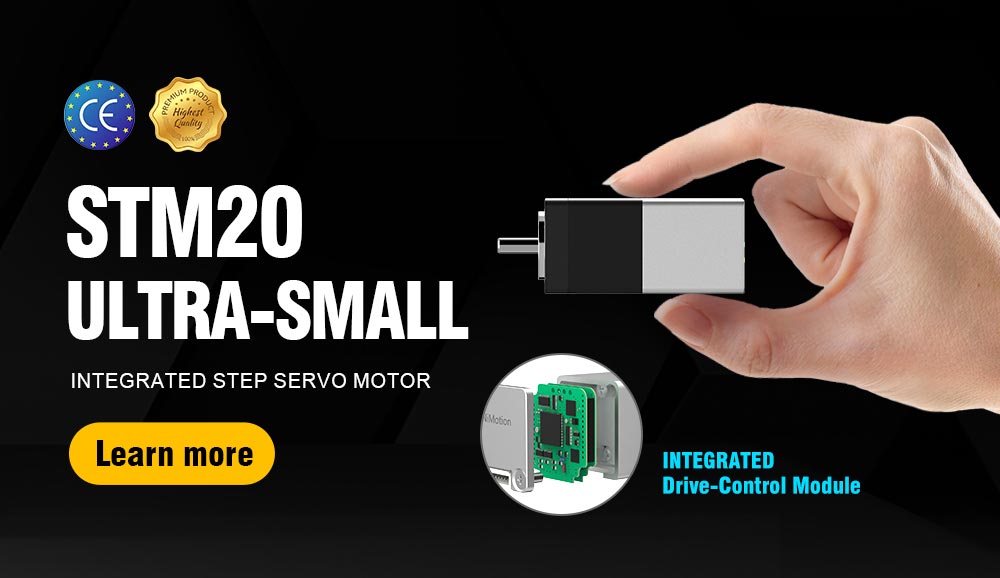
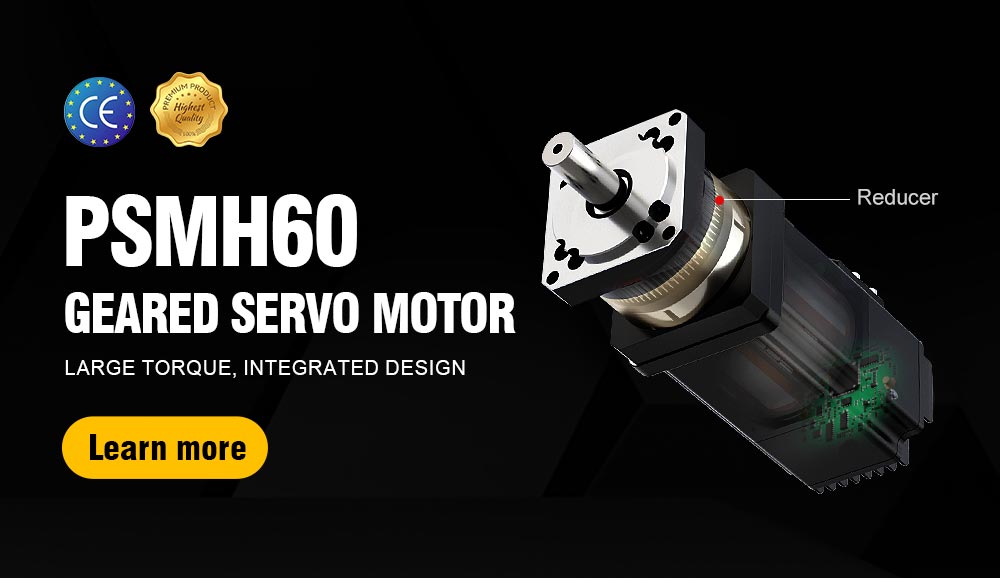
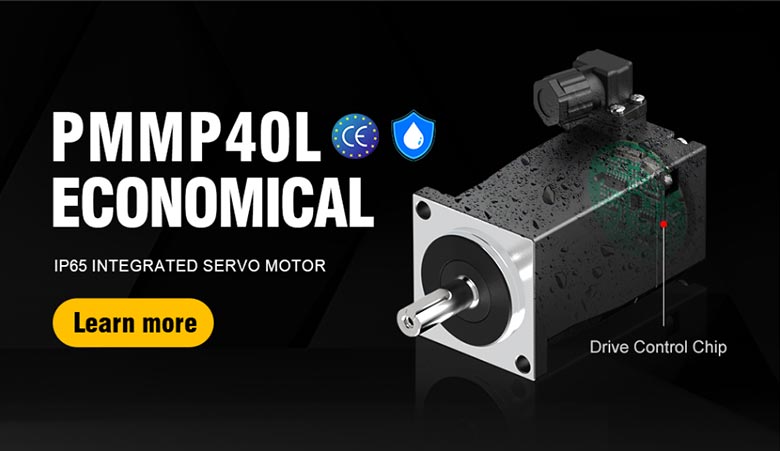
The portable wire-reeling vehicle can be equipped with an integrated servo motor, which can save installation space, facilitate wiring, support speed control mode and torque control mode, and better realize free wire-reeling and wire-reeling.
To improve production efficiency and product quality, an electronics manufacturing company decided to transform the original pipeline machinery and equipment. During the transformation process, the company introduced an integrated servo motor to replace the original separate servo system.
Through precise speed and torque control, as well as efficient energy conversion and utilization, the company successfully improved the production efficiency of the equipment and reduced production costs. At the same time, it successfully improved the stability and reliability of the equipment and reduced the failure rate of the equipment.
Control Mode: Contour Speed Mode
03. Advantages of Integrated Servo Motors
High integration improves equipment portability: Integrates servo motors, servo drivers, encoders, and controllers into a single unit, significantly reducing equipment size and weight while simplifying wiring and reducing potential failure points.
Flexibility to meet diverse needs: Supports CANopen/Modbus communication, allowing flexible control and adjustment according to different work requirements.
High-precision positioning improves measurement accuracy: High positioning accuracy enables precise positioning of mobile equipment.
Multiple control modes: Supports PP, VM, PV, PT, HM, IP, CSP, CSV, CST standard modes, as well as NiMotion position mode, speed mode, and torque mode.
High-speed response improves equipment efficiency: Fast response speed enables quick adjustment of equipment angle and position, improving work efficiency and responsiveness.
Comprehensive alarm function: Can detect hardware faults in a timely manner to avoid affecting system operation; equipped with multiple safety protection functions including overvoltage/undervoltage, overheat, overcurrent, and stall alarms. LED flashing alarm intuitively displays the current status of the motor.