Application of integrated servo motor in tethered drone
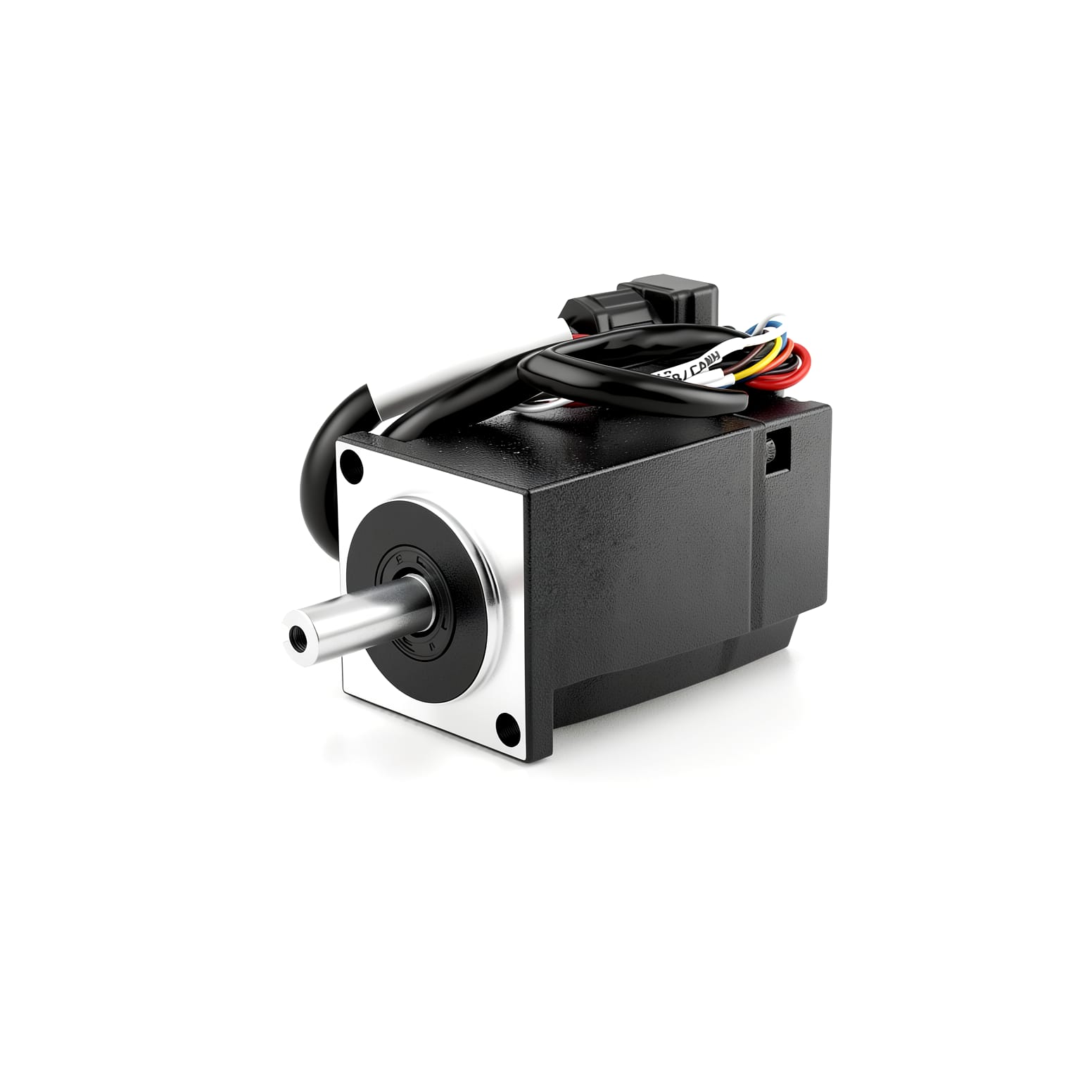
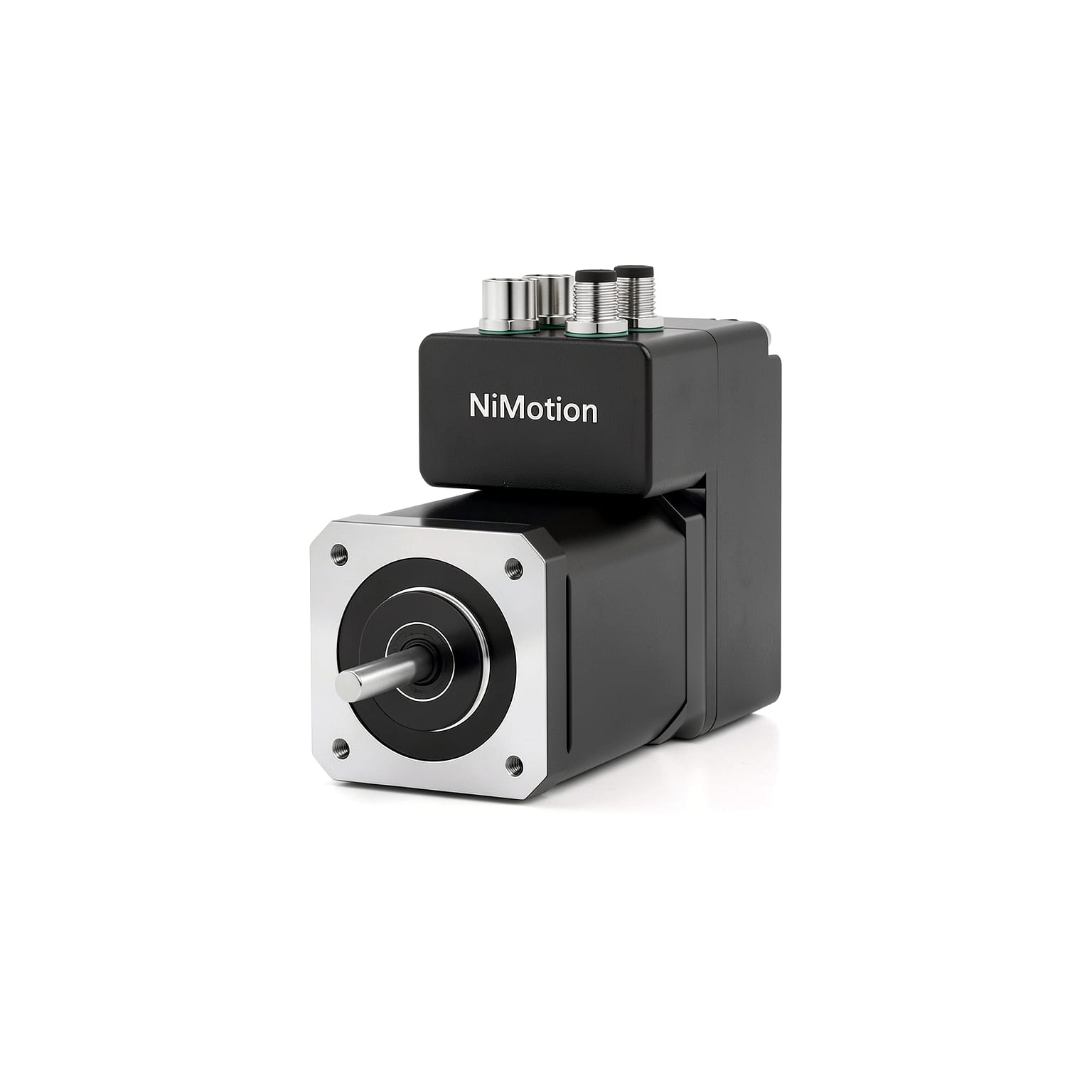
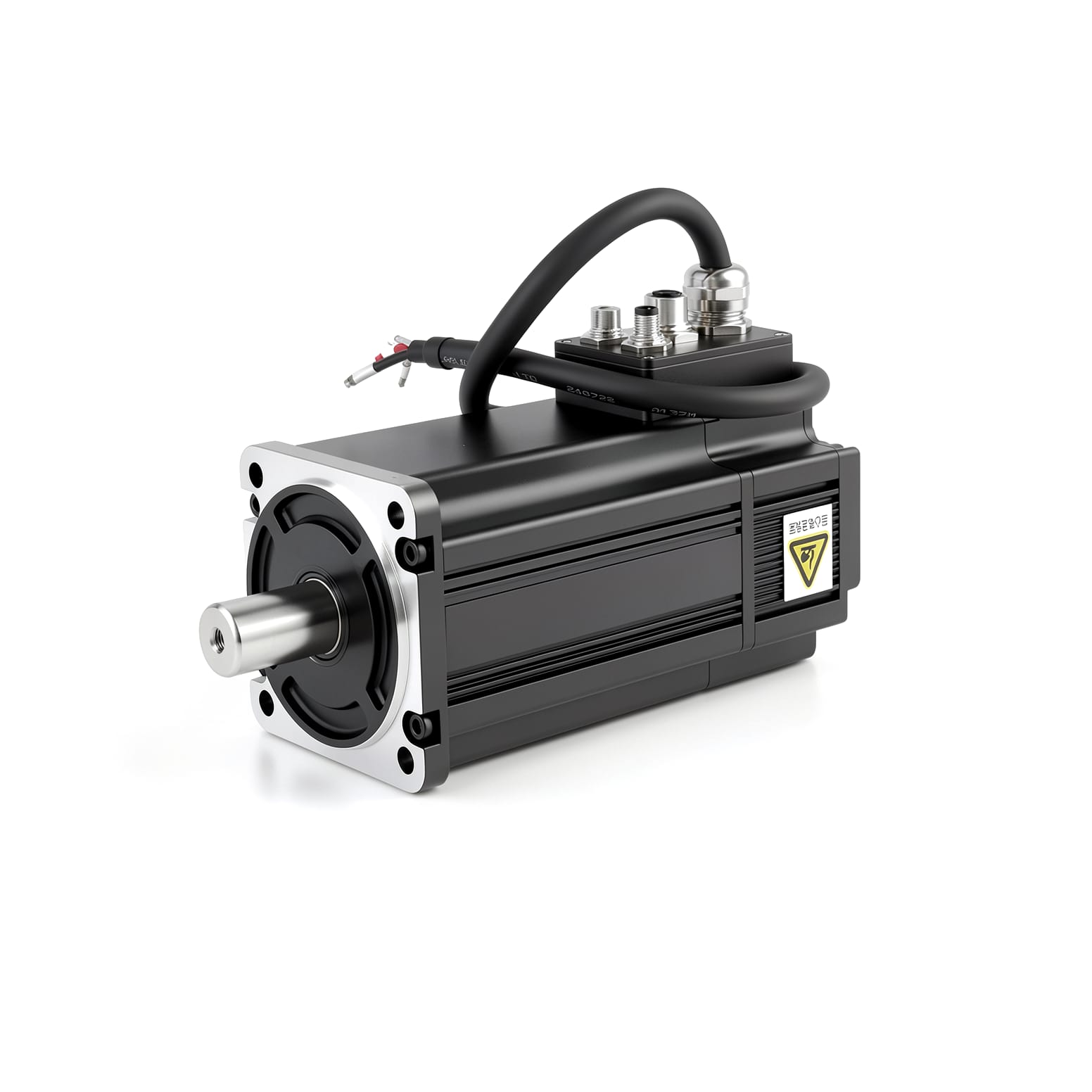
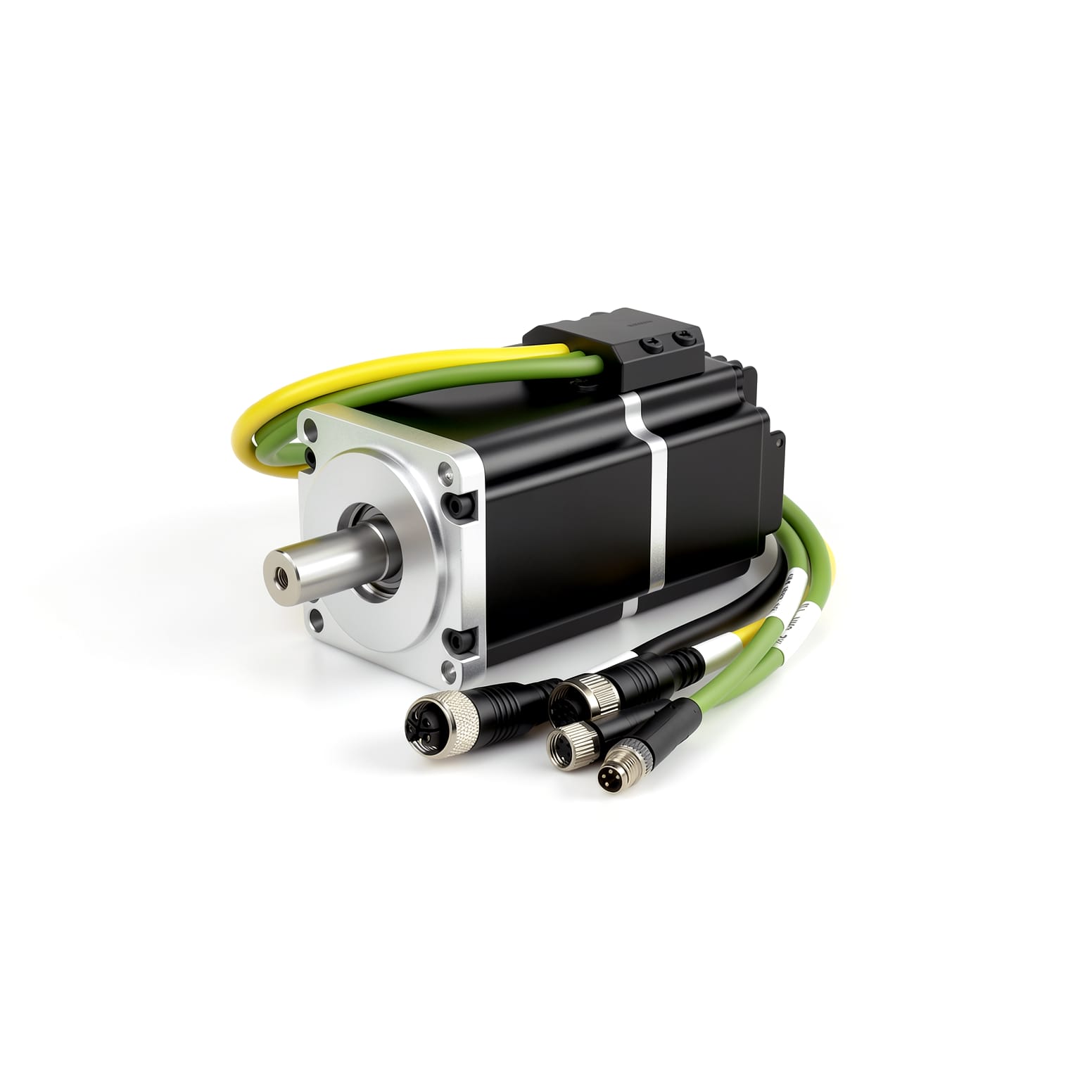
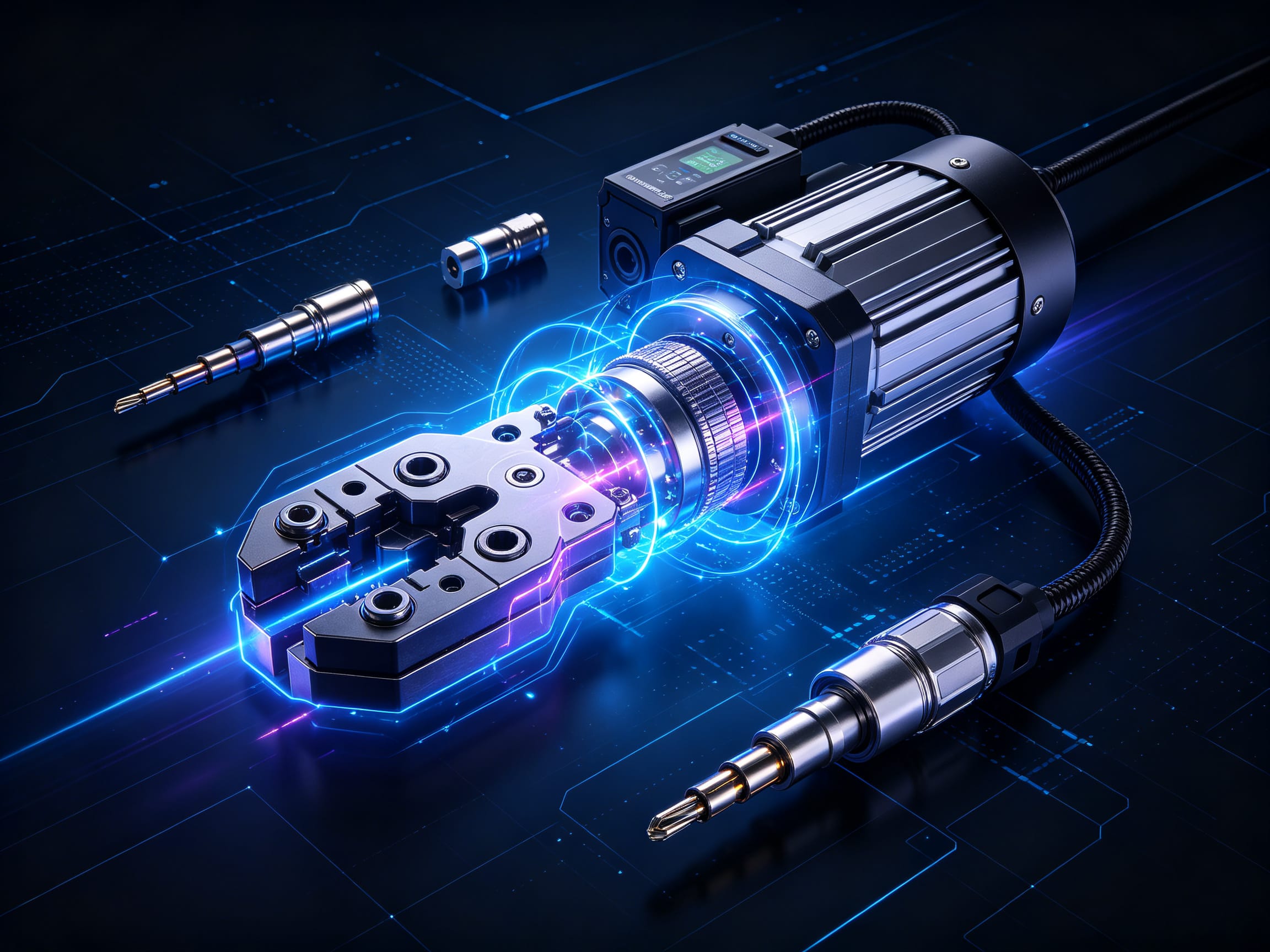
An integrated servo motor is a servo system that combines a motor, driver, and encoder into a single unit, offering advantages such as high control precision, fast response speed, and high efficiency. A tethered drone is a UAV connected to a ground facility via a cable or chain, enabling long-term stable hovering and aerial operations.
01. Equipment Introduction
Power Cable Towing Device
In tethered drones, the power cable needs to extend from the ground facility to the drone's hovering position. To ensure stable power transmission, the integrated servo motor can serve as the core component of the power cable towing device. By controlling the motor's rotation direction and speed, the power cable can be retracted, extended, and adjusted, improving both power transmission efficiency and stability.
Automatic Retraction and Deployment Device
In some application scenarios, tethered drones require long operating hours and frequent cable retraction and deployment. To improve operational efficiency, the integrated servo motor can be used with an automatic retraction and deployment device. When the drone needs to be charged or requires cable retraction for other reasons, the integrated servo motor can control the automatic retraction of the power cable. When the drone needs to operate again, the motor can control the automatic deployment of the cable. This not only improves operational efficiency but also reduces manual errors.
Monitoring System
To ensure the stability and safety of power transmission, the integrated servo motor can be used in conjunction with a power status monitoring device. By monitoring parameters such as current and voltage of the power cable, the transmission status can be observed in real time, allowing for timely detection of abnormalities. This not only improves operational safety but also extends the service life of the power cable.
02. Application Example
In a practical application, a smart technology company adopted an integrated servo motor drive system to achieve efficient and stable power transmission, thereby improving the operational efficiency and safety of the tethered drone.
In the motor's profile torque mode, the power cable is retracted at 240 RPM with 15% torque, with the other end of the cable towing the drone. When the drone flies and descends at high speed, the motor continuously retracts the cable to ensure it remains taut.
Motor Model: PMM6020B-485-LB-0HE (short version)
Control Mode: Profile Torque Mode
03. Advantages of Integrated Servo Motors
High integration improves equipment portability: Integrates servo motors, servo drivers, encoders, and controllers into a single unit, significantly reducing equipment size and weight while simplifying wiring and reducing potential failure points.
Flexibility to meet diverse needs: Supports CANopen/Modbus communication, allowing flexible control and adjustment according to different work requirements.
High-precision positioning improves measurement accuracy: High positioning accuracy enables precise positioning of mobile equipment.
Multiple control modes: Supports PP, VM, PV, PT, HM, IP, CSP, CSV, CST standard modes, as well as NiMotion position mode, speed mode, and torque mode.
High-speed response improves equipment efficiency: Fast response speed enables quick adjustment of equipment angle and position, improving work efficiency and responsiveness.
Comprehensive alarm function: Can detect hardware faults in a timely manner to avoid affecting system operation; equipped with multiple safety protection functions including overvoltage/undervoltage, overheat, overcurrent, and stall alarms. LED flashing alarm intuitively displays the current status of the motor.