
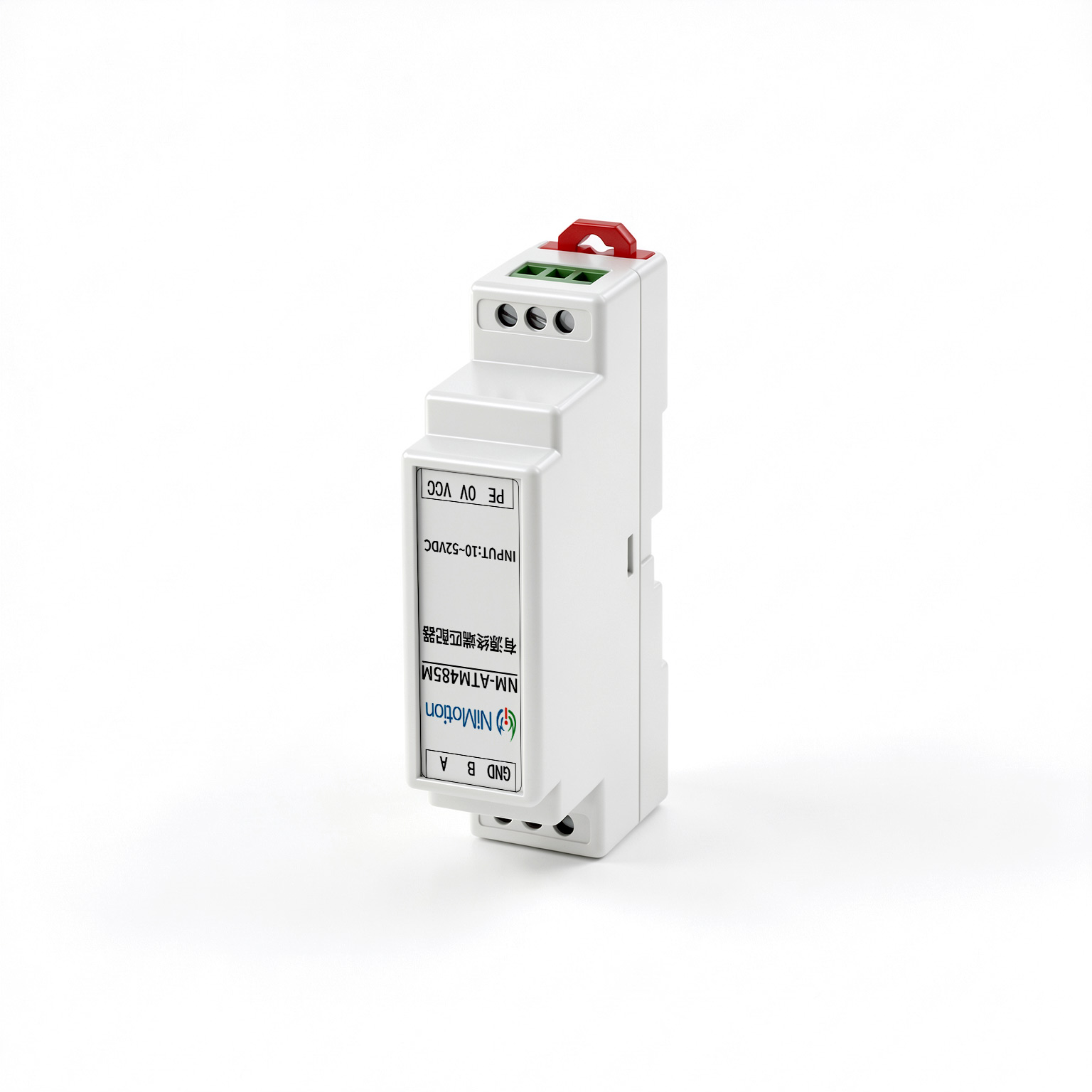
NM-ATM485M Active Terminal Matcher
This product is specifically designed for PROFIBUS bus systems. When a terminal station loses power, it automatically takes over the termination resistor function and continuously stabilizes the bus voltage, ensuring that network communication remains uninterrupted and data is not lost, allowing the automation system to continue operating reliably even during unexpected power outages.
Features
- Automatic takeover upon power failure
- Stabilizes bus voltage
- Ensures uninterrupted communication
Specifications
| Overall dimensions | Module dimensions: 87.5mm×24mm×45.7mm |
| installation method | 35mm standard DIN rail mounting |
| Weight | 40g |
| Housing material | Plastic |
| Input voltage | CE: Power supply complies with IEC 60950 and IEC 61558-2-4 safety standards |
| Supply voltage | 10VDC~52VDC |
| Power | 0.1W@24VDC |
| Communication rate | 0-12Mbps zero-delay auto-adaptation |
| Network support | PROFIBUS/MPI/PPI and other RS485 networks |
| Isolation voltage | 1000VDC, power supply isolated from RS485 |
| Certification | Conventional: CCC |
| Environment | Operating temperature: -40℃~85℃; Shock: 6G, half-sine, 11ms compliant with IEC60068-2-27. Storage temperature: -40℃~85℃; Storage relative humidity: 5%~85%, non-condensing. Vibration: 1G, compliant with IEC 60068-2-6. |
FAQ
The choice depends on your specific application. Stepper motor systems are suitable for applications with medium-to-low torque (generally below 20 Nm), low speed (below 2000 RPM), low cost, and are virtually maintenance‑free. Servo motor systems cover a wide torque range (low to high), offer higher speeds (up to 5000 RPM), support multiple control modes (position/speed/torque), provide high precision and smooth operation, and have strong overload capability (3‑10 times short‑term overload), but at a higher cost. In short: if your budget is limited, the load is stable, and speed is below 1000 RPM, a stepper motor is a good choice; if you need high precision, high speed, variable loads, or disturbance rejection for dynamic control, choose a servo motor.
Microstepping is essentially an electronic damping technique, primarily designed to reduce or eliminate low‑frequency vibration. Improved positional resolution is a secondary benefit. Different manufacturers’ microstepping drivers can vary greatly in accuracy, and higher microstepping numbers are harder to control precisely.
This is due to the motor’s pull‑in rate – the maximum pulse frequency at which it can start from standstill without losing steps. If the pulse frequency exceeds this rate, the motor cannot start properly and may lose steps or stall. The solution is to use an acceleration ramp: start at a low frequency and gradually increase to the target high frequency. Integrated stepper motors allow you to set acceleration and deceleration parameters freely.
When the motor rotates, the inductance in each phase winding generates a back‑EMF. The higher the frequency, the greater the back‑EMF, which reduces the phase current and thus lowers the torque.
Excessive temperature can demagnetise the magnetic material, reducing torque and causing step loss. The demagnetisation point is generally above 130°C, some up to 200°C. Therefore, a surface temperature of 80‑90°C is perfectly normal for a stepper motor. The most common insulation class is Class B, with a rated operating temperature up to 130°C.
Applications
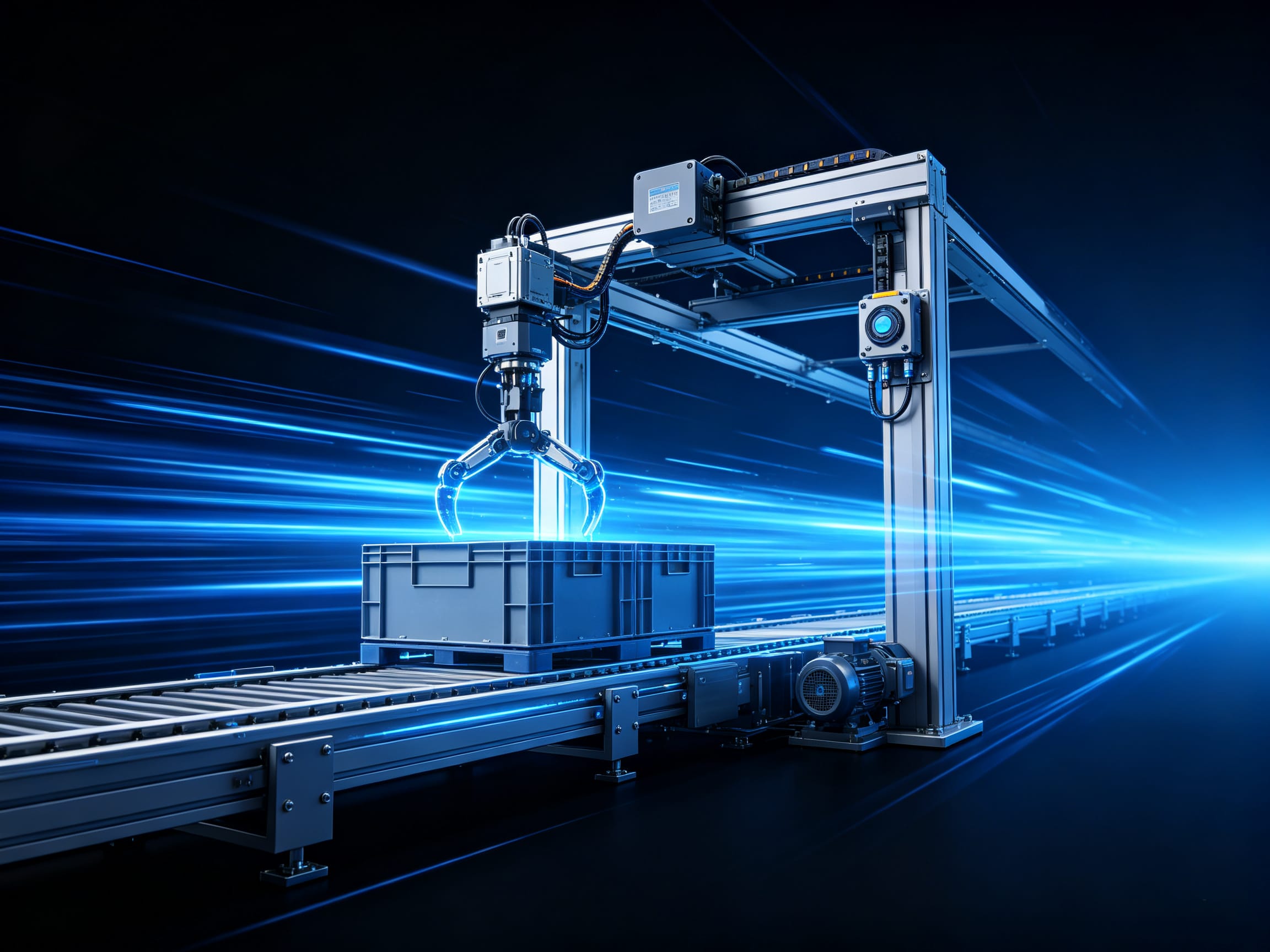
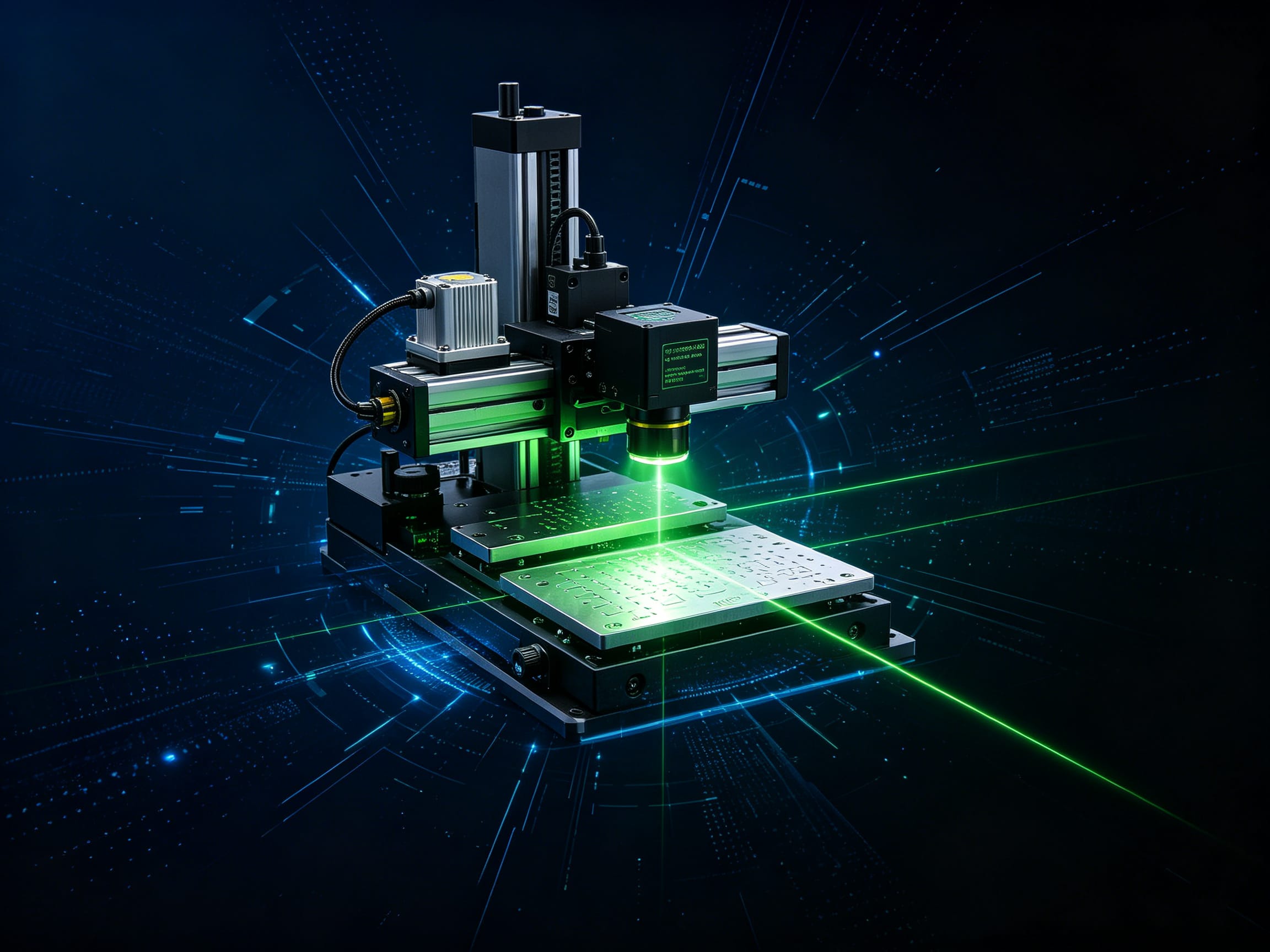
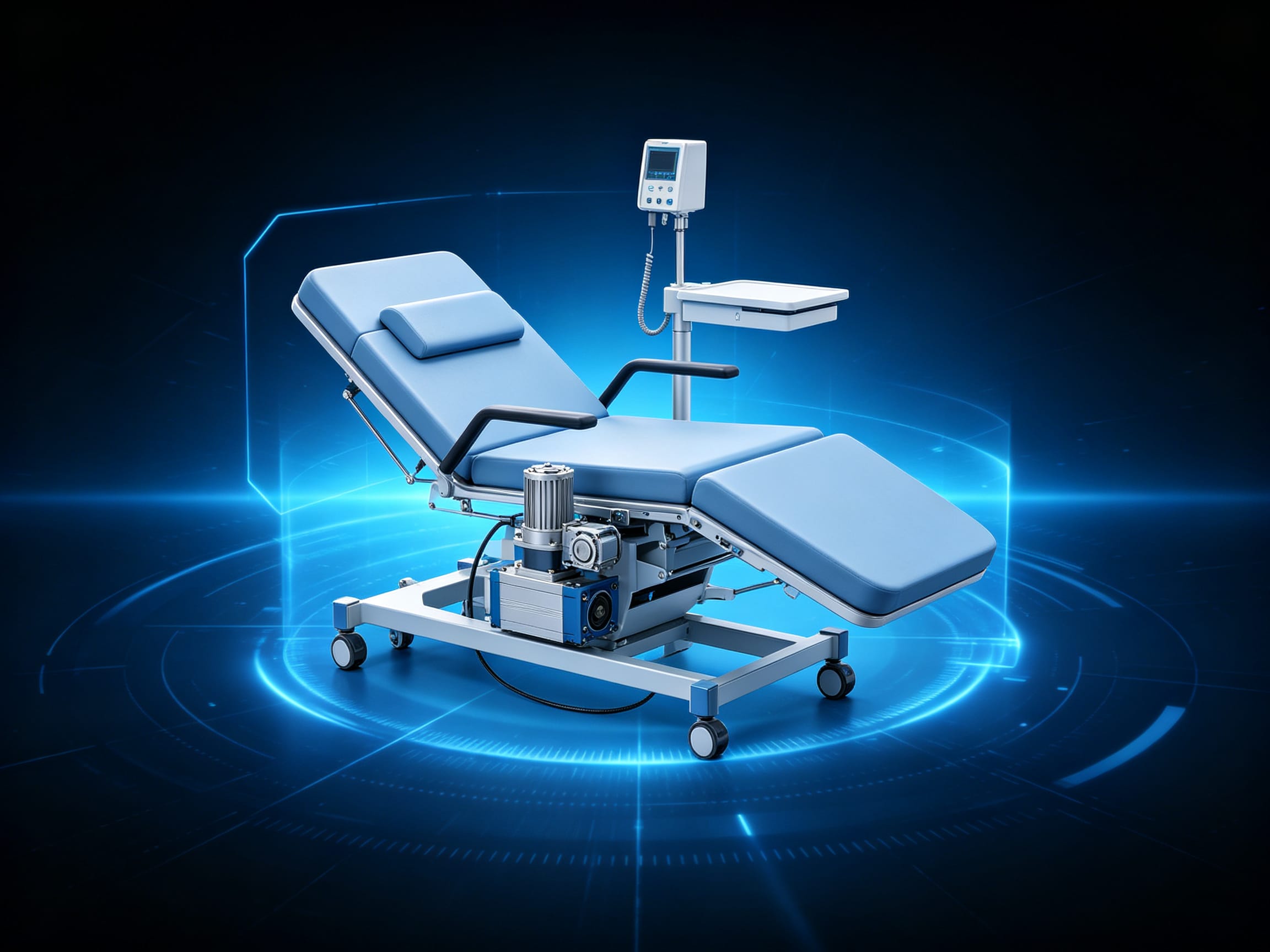
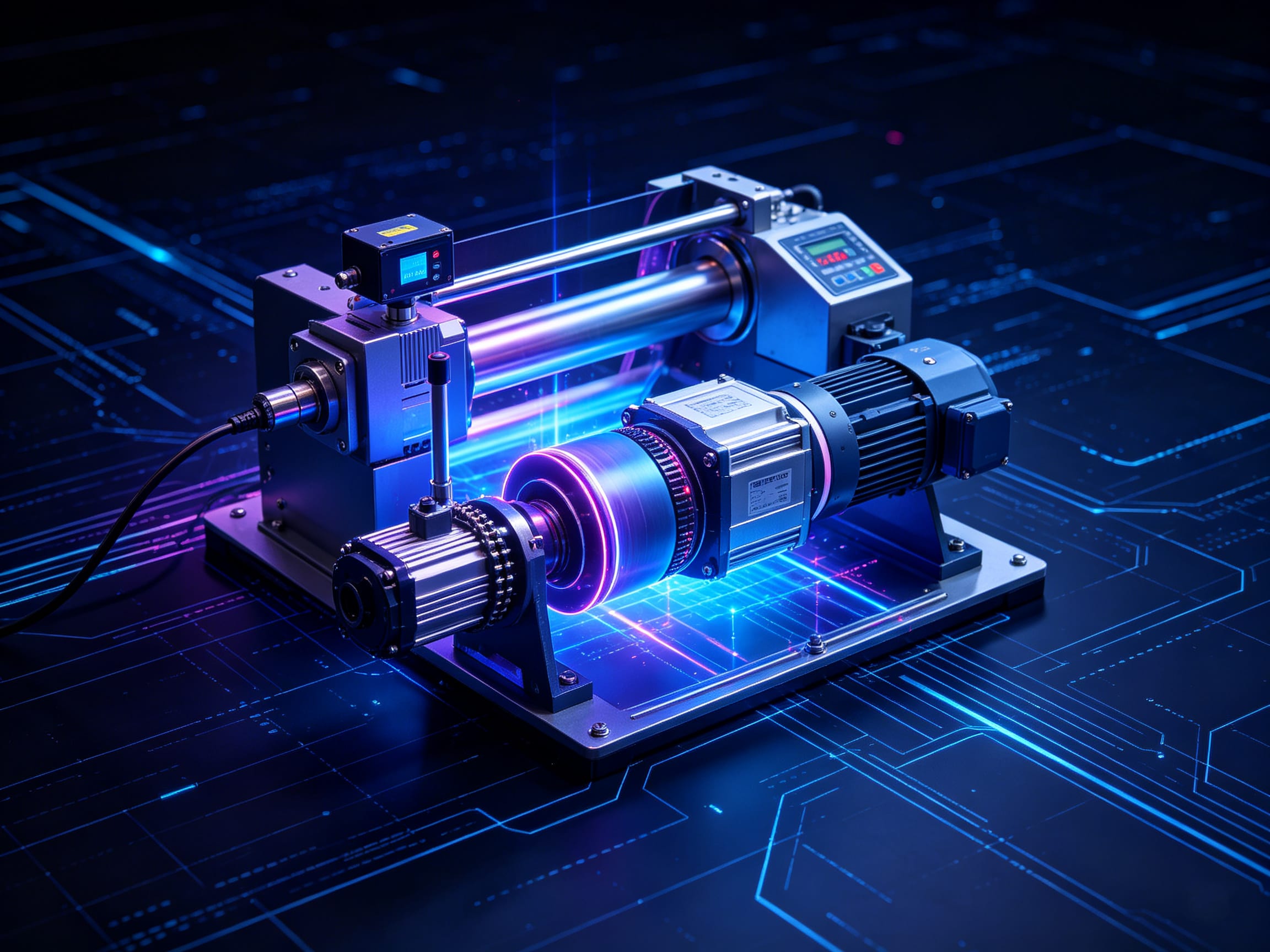
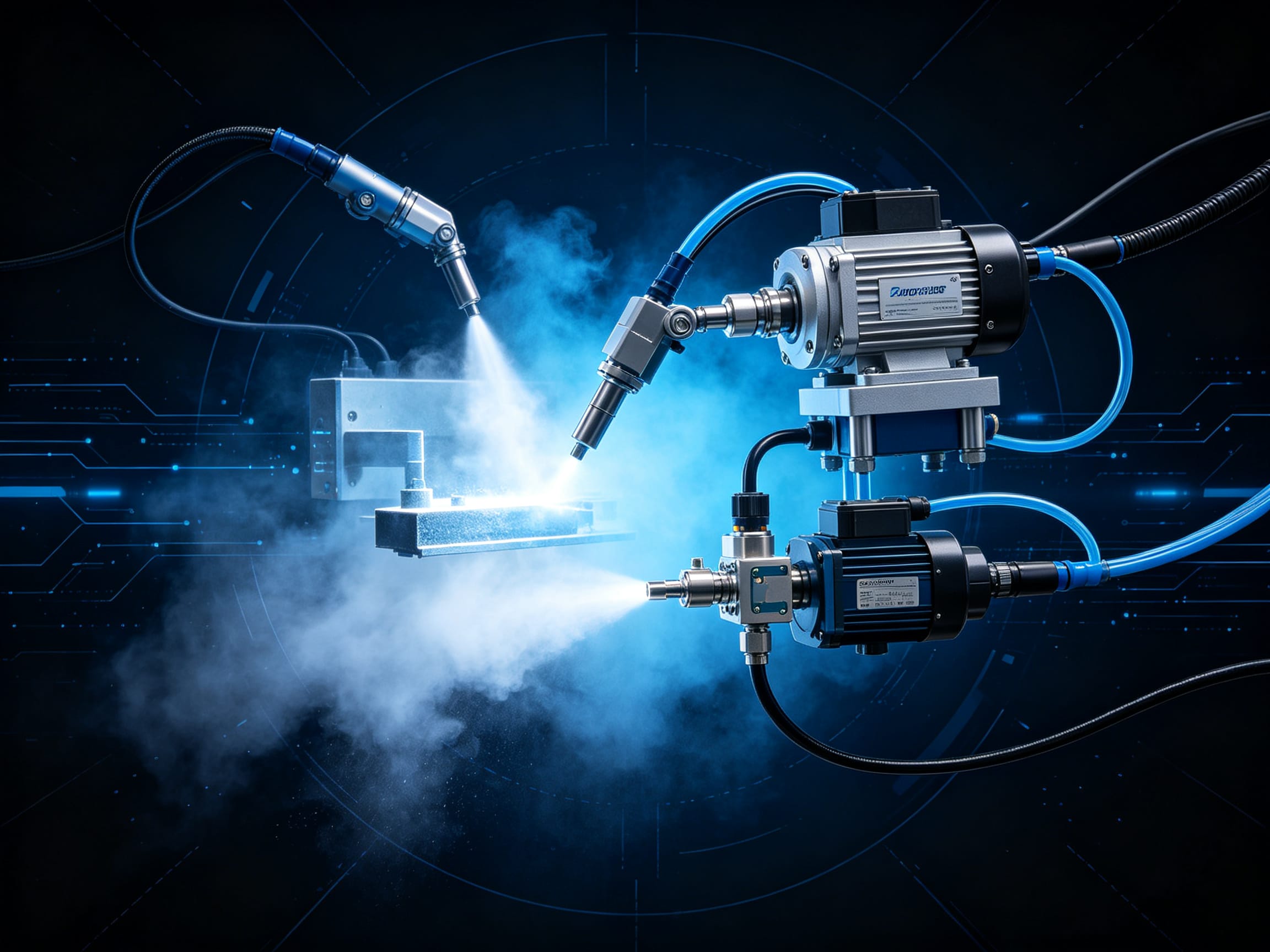
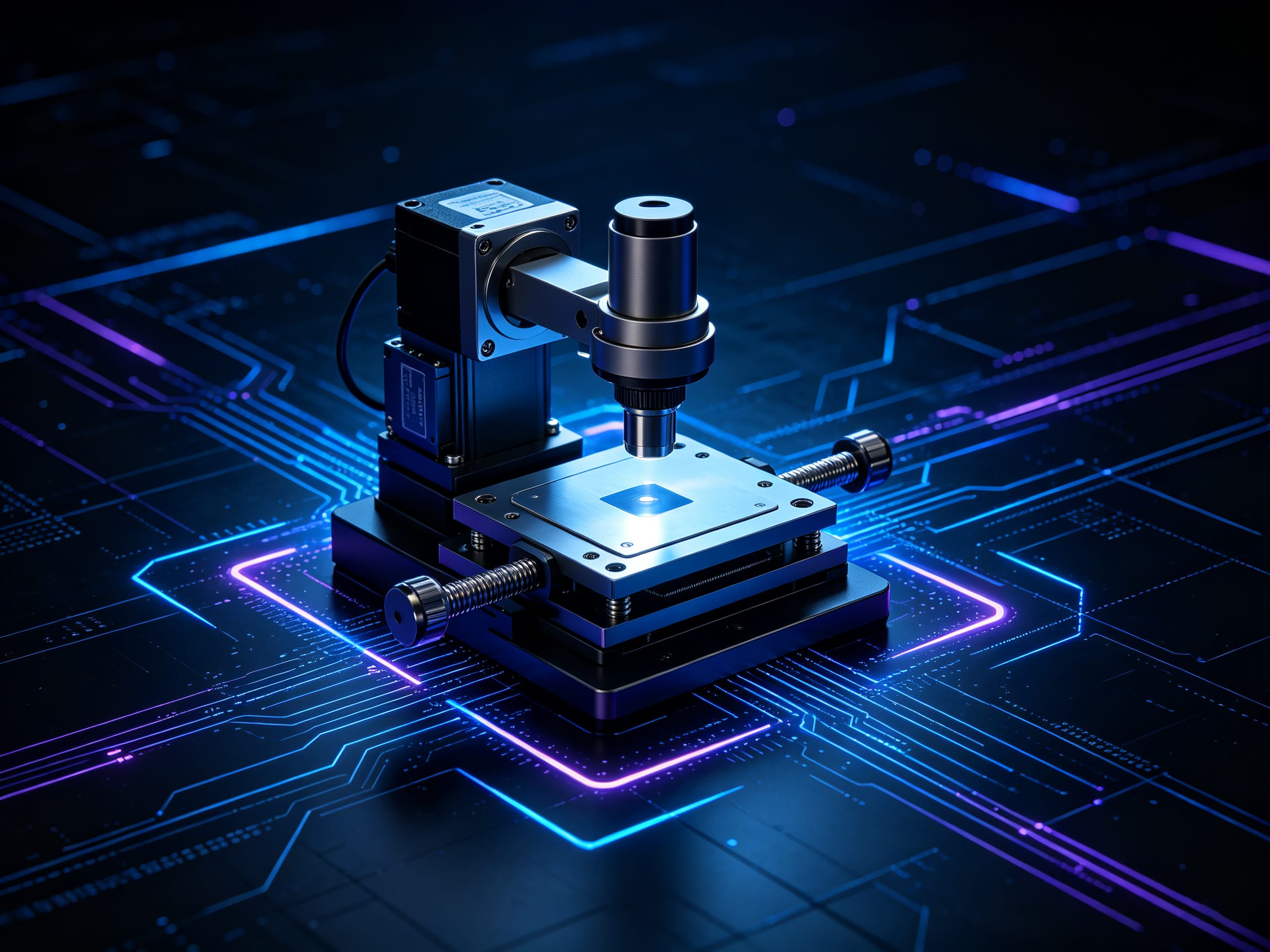
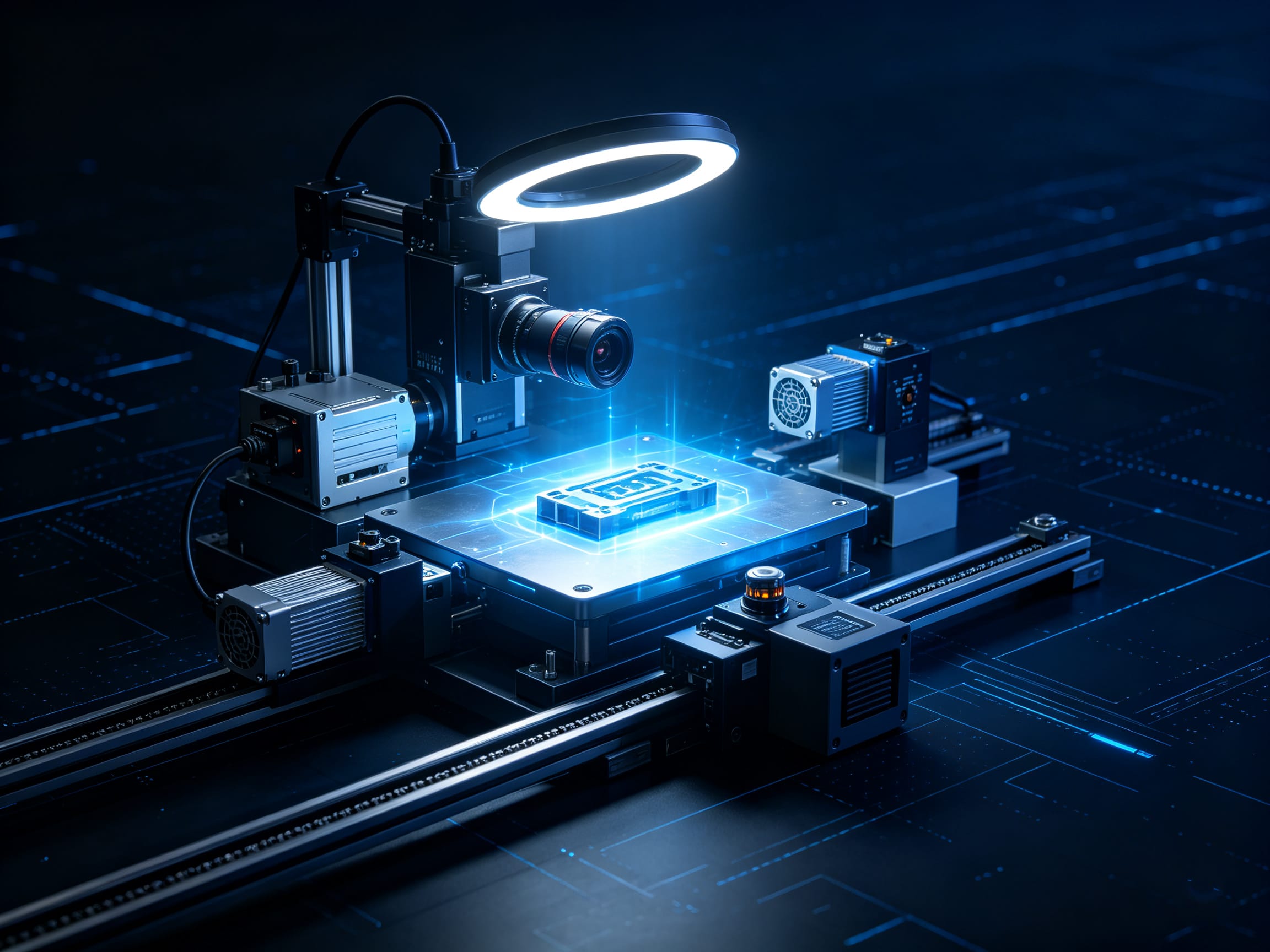
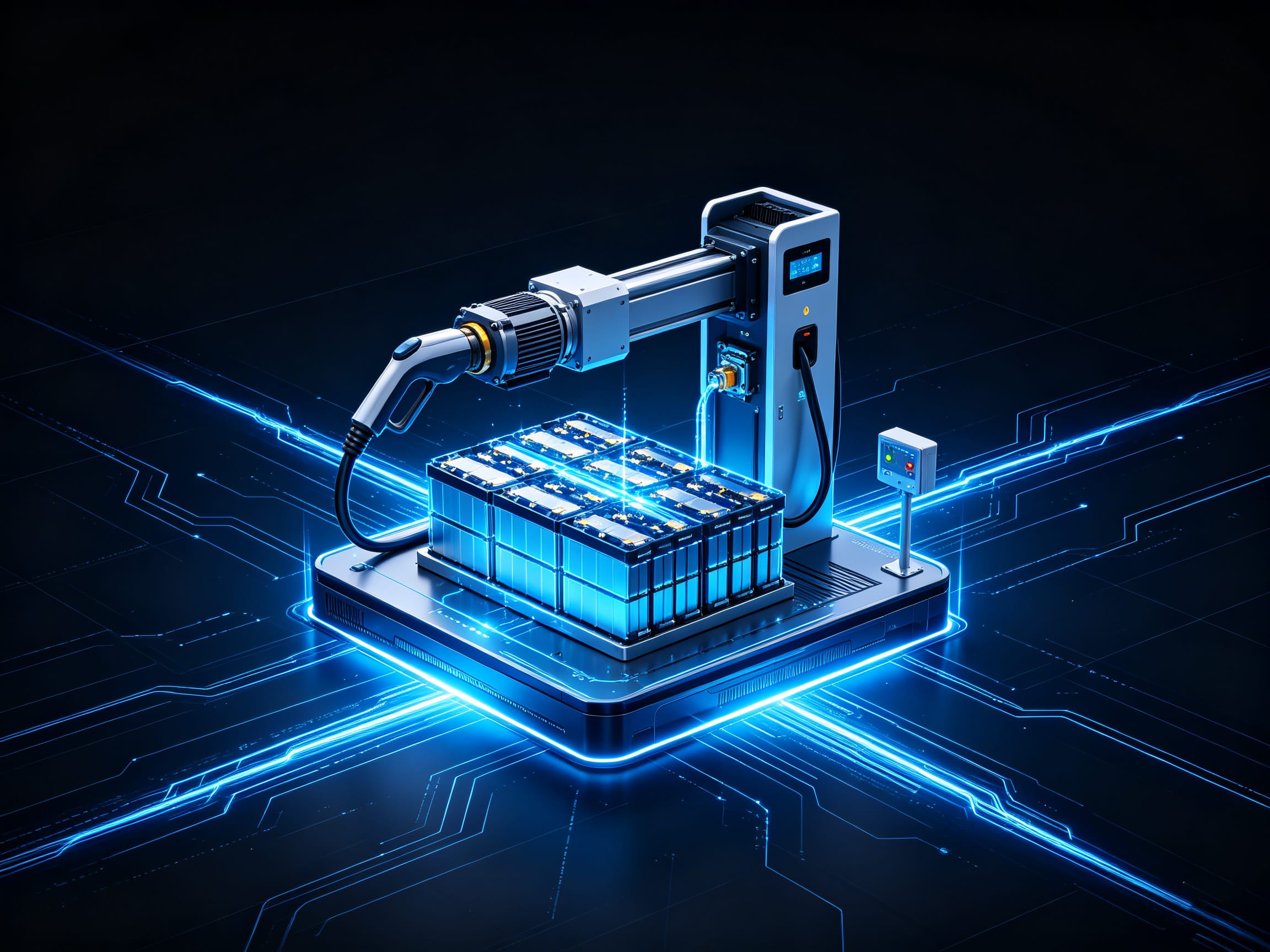
Discover how this product is applied across various industrial automation scenarios.
Compatible Products
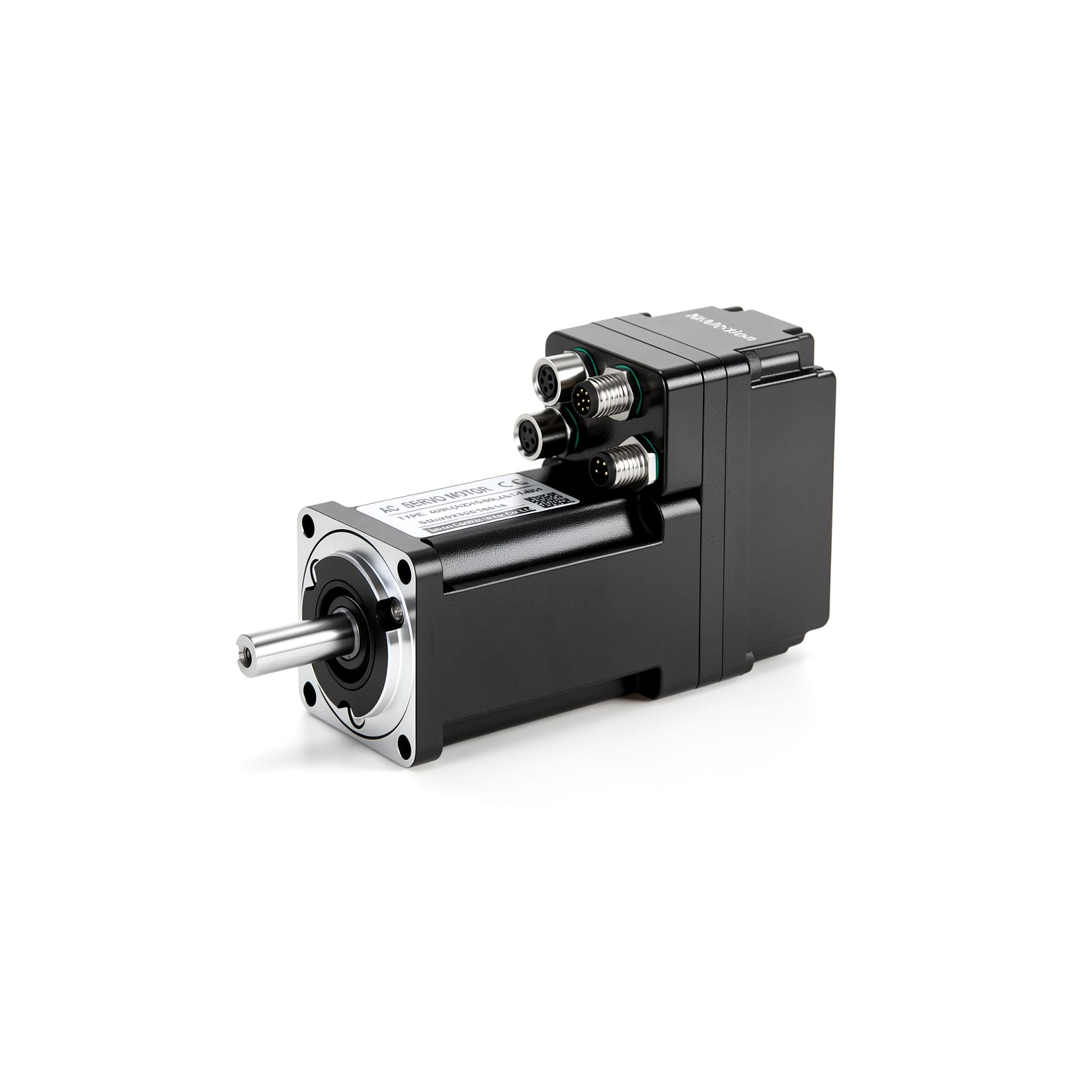
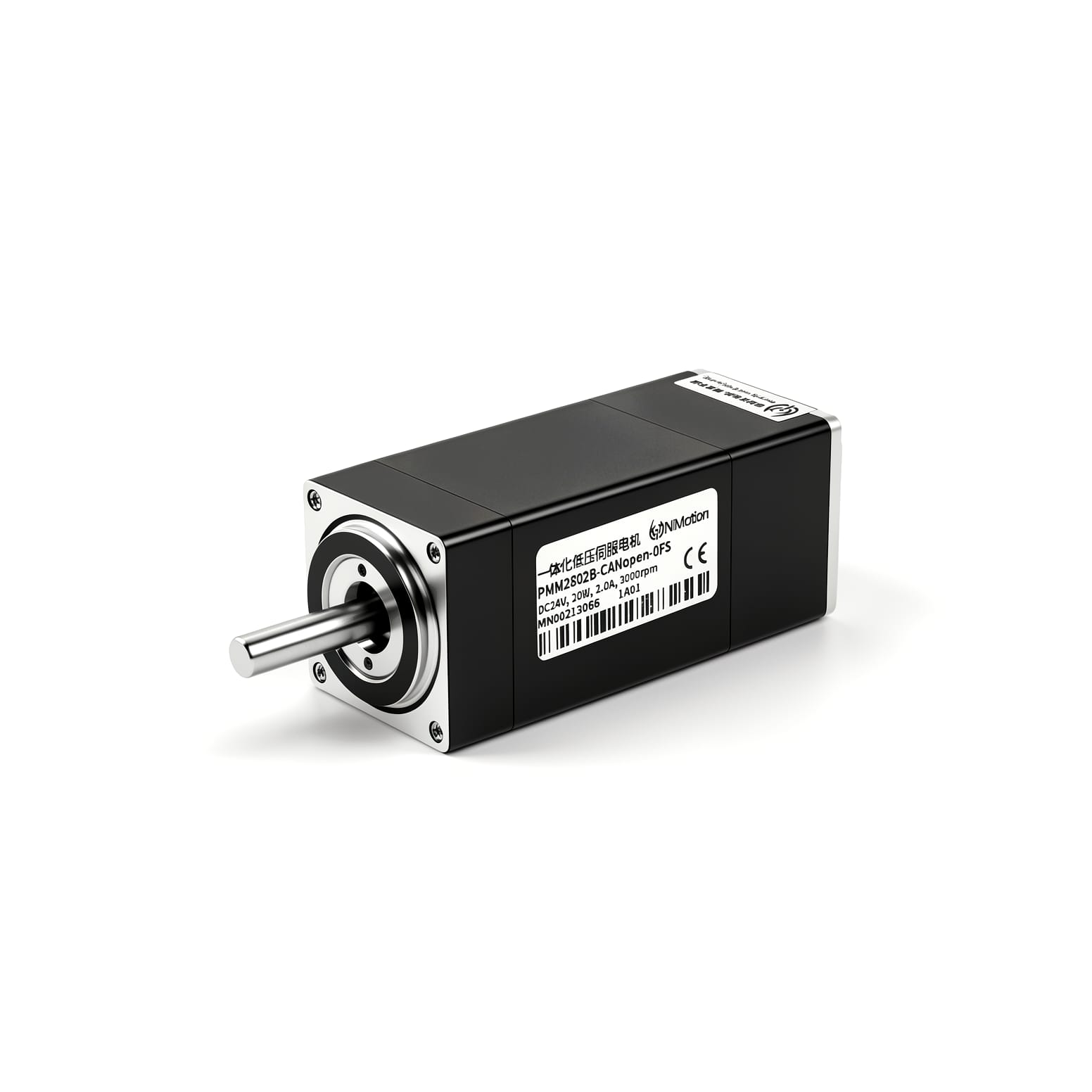
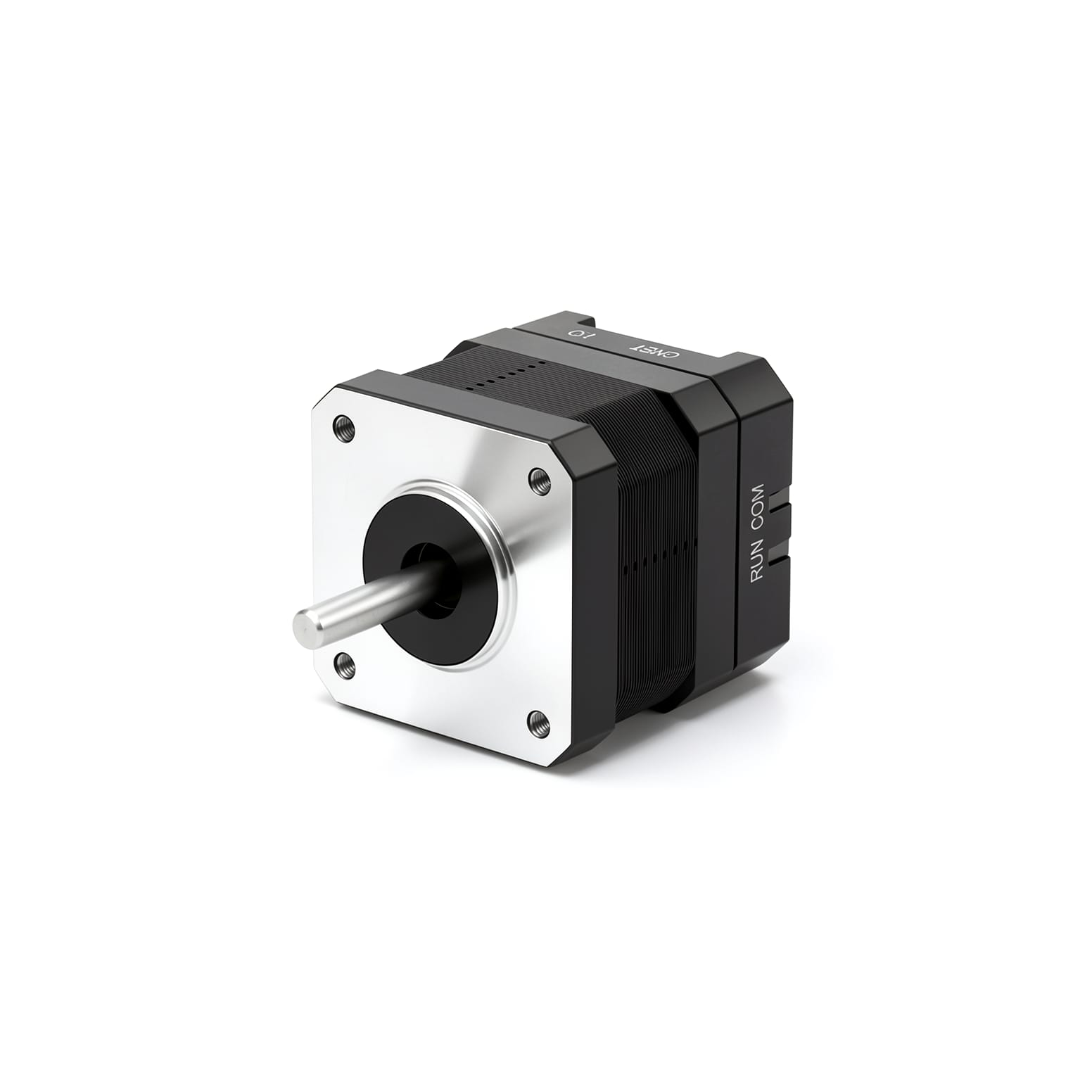
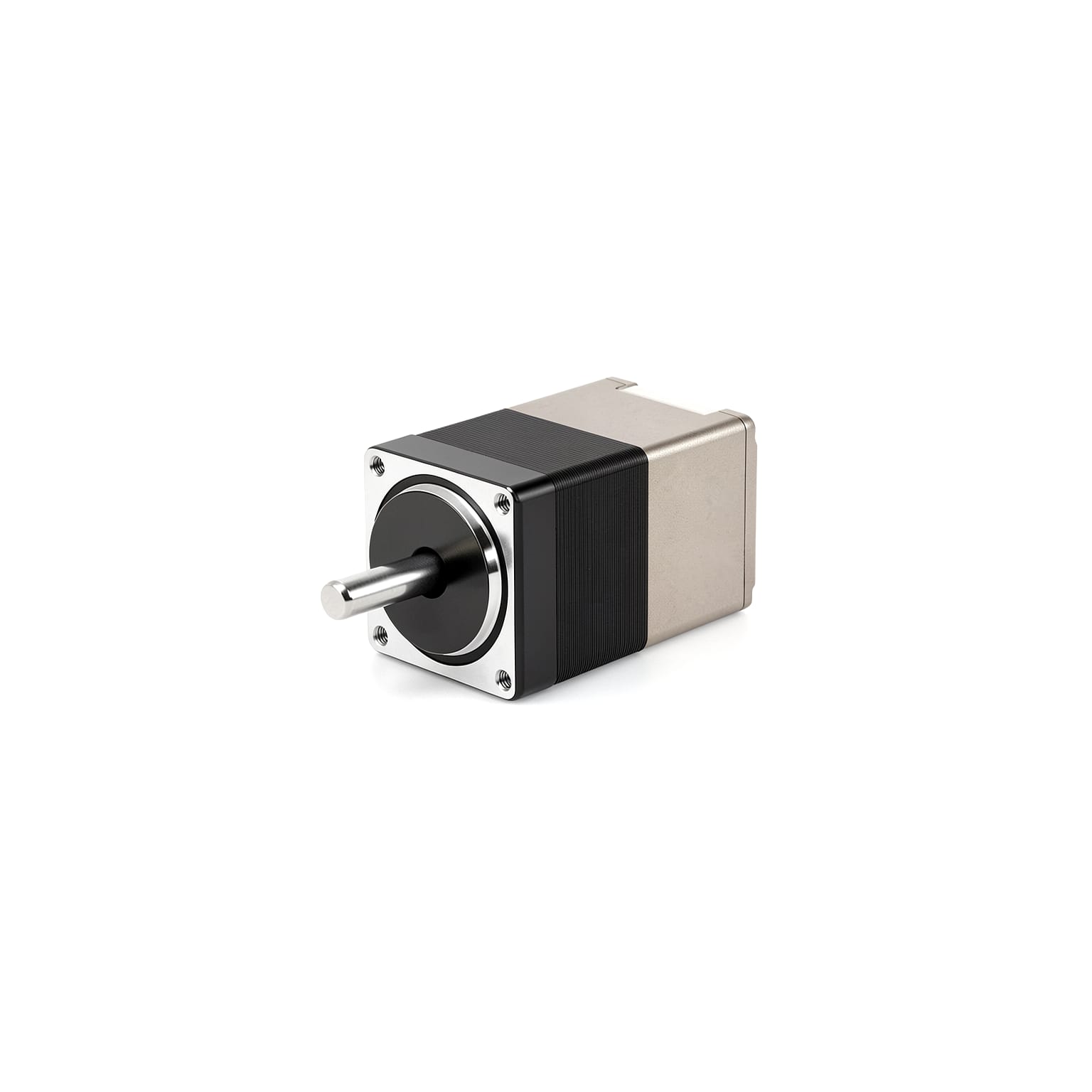
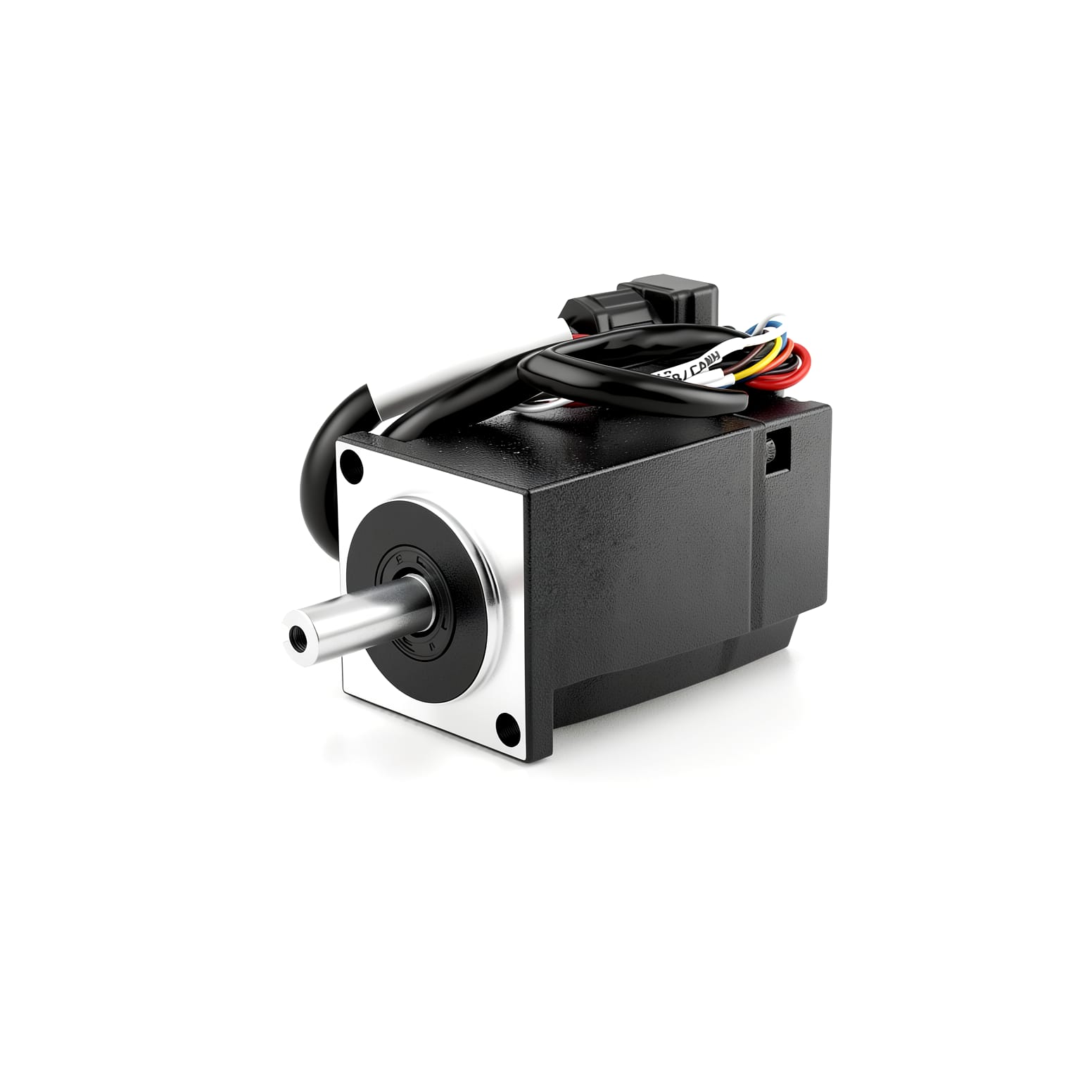
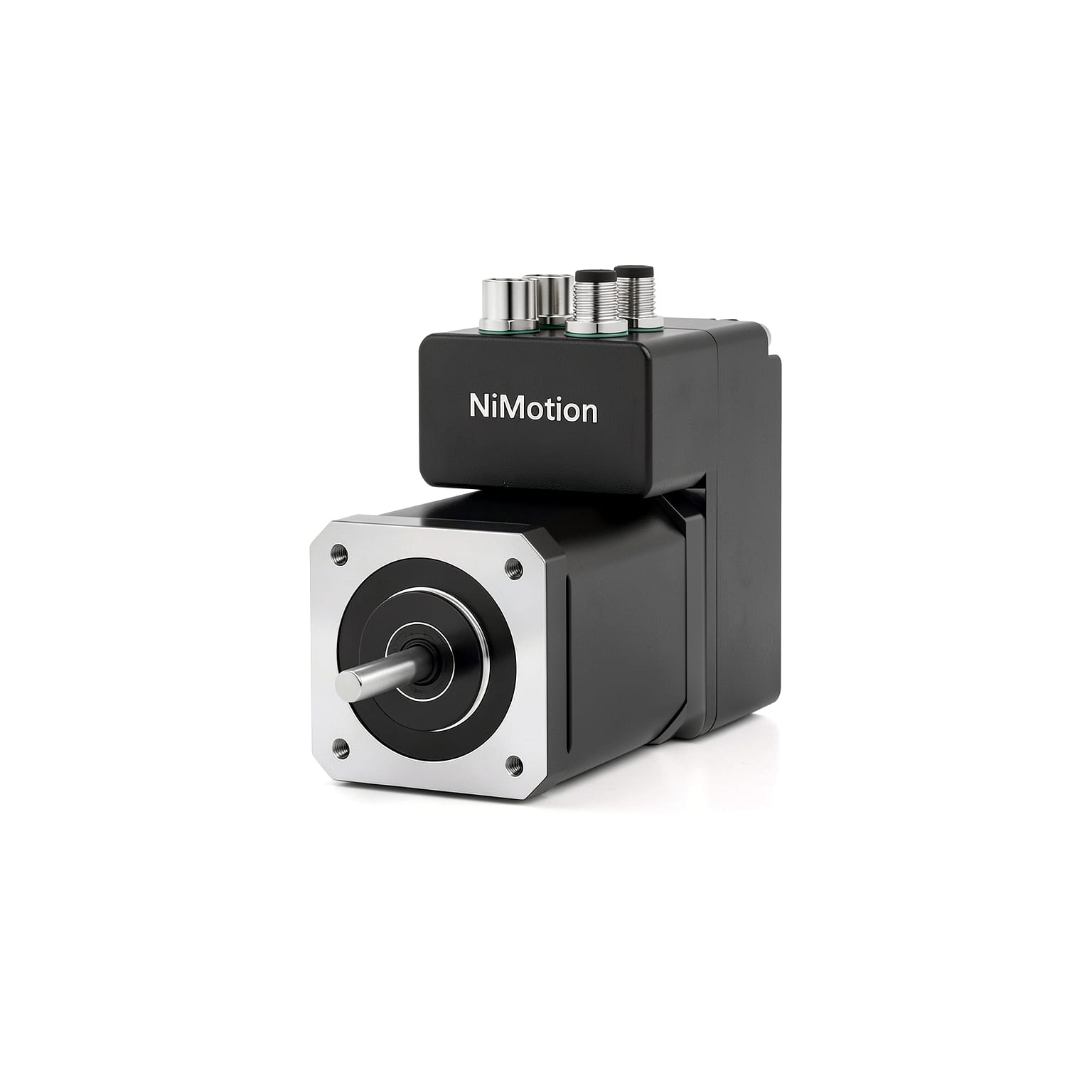
Build complete and reliable solutions with our compatible products.
Technical Resources
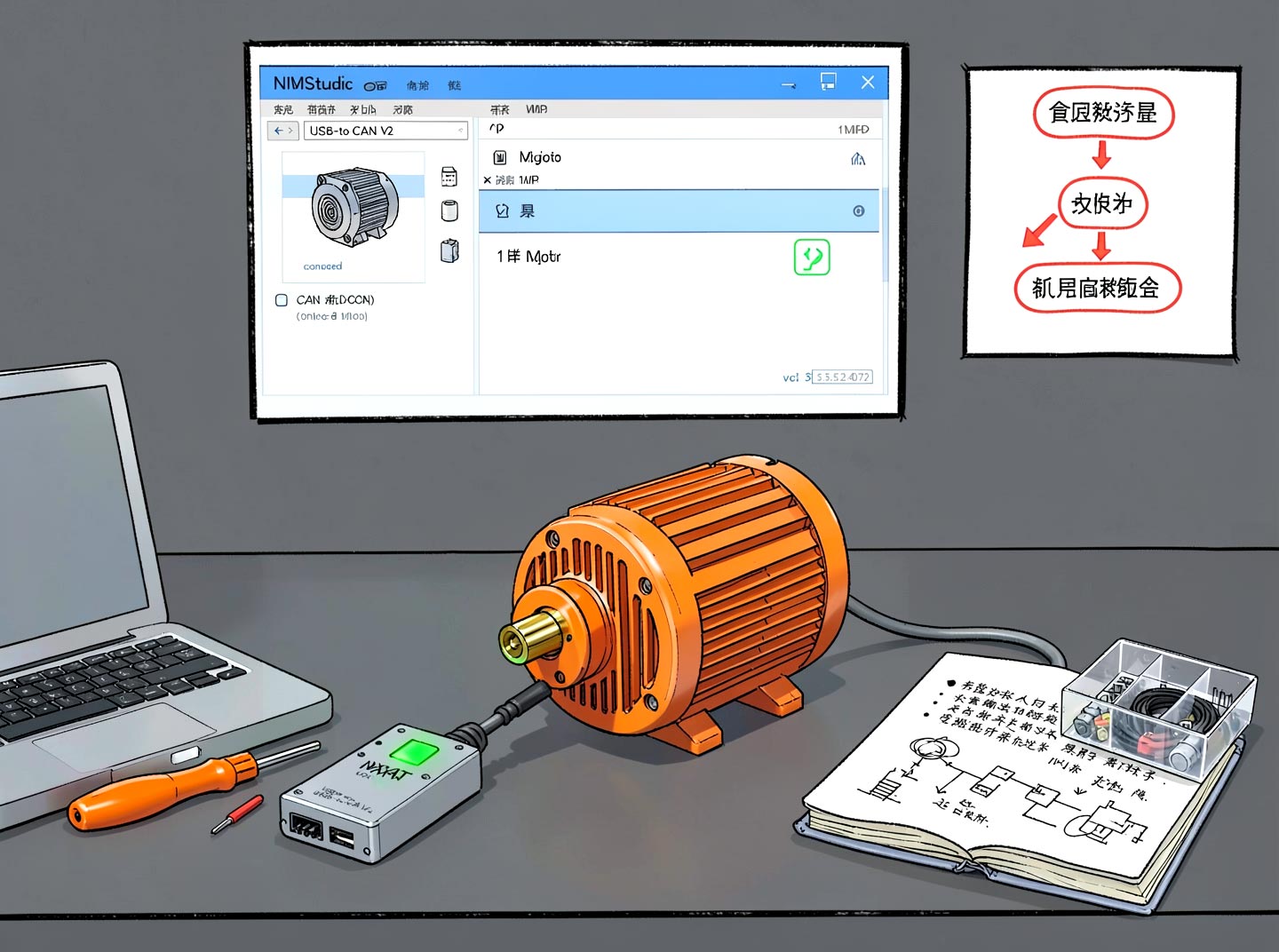
Technical guides, application notes, and more to help you get the most out of the product.
Ready to start your automation project?
Talk to our engineers and get a customized motion control solution within 24 hours.
Typical response time: 24 hours