
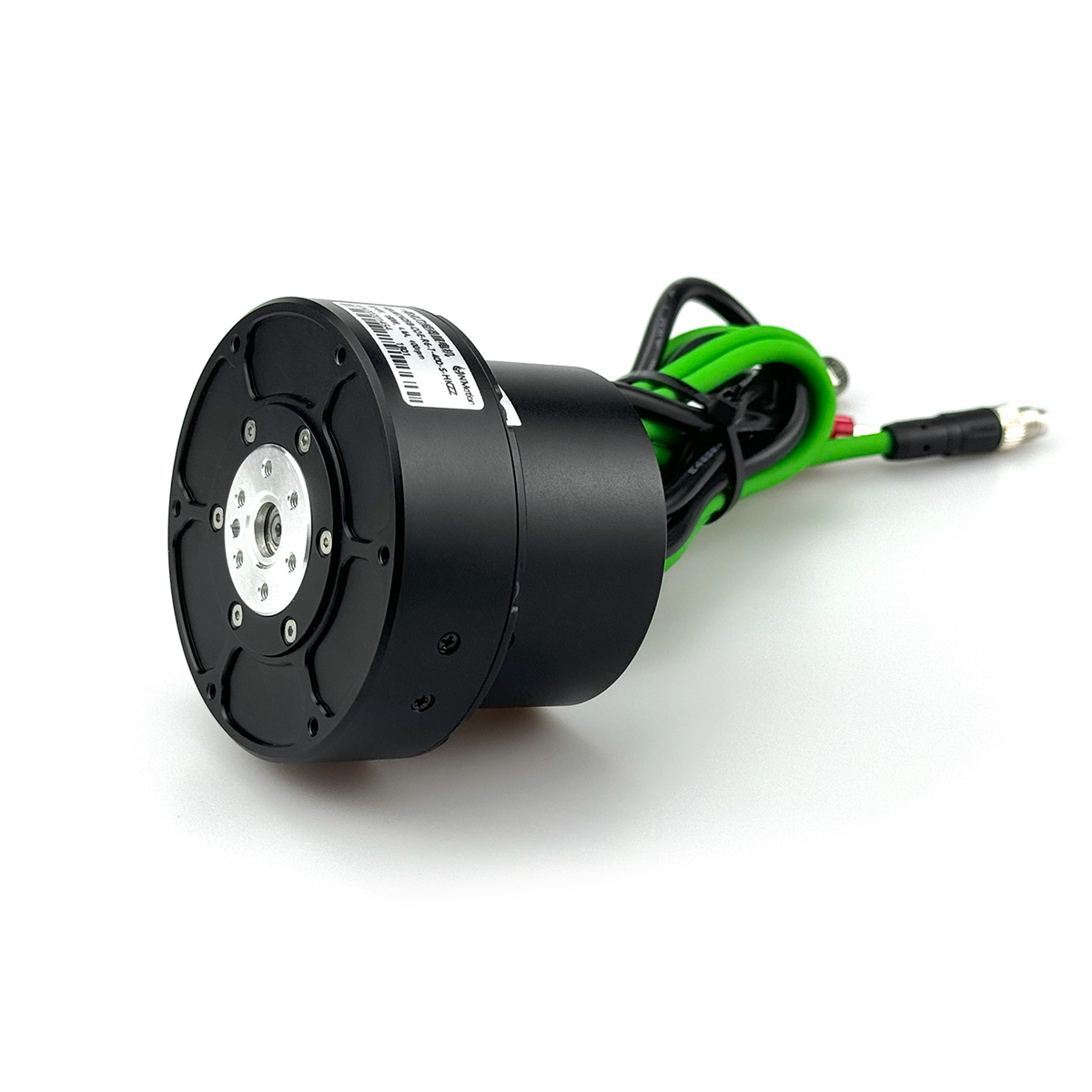
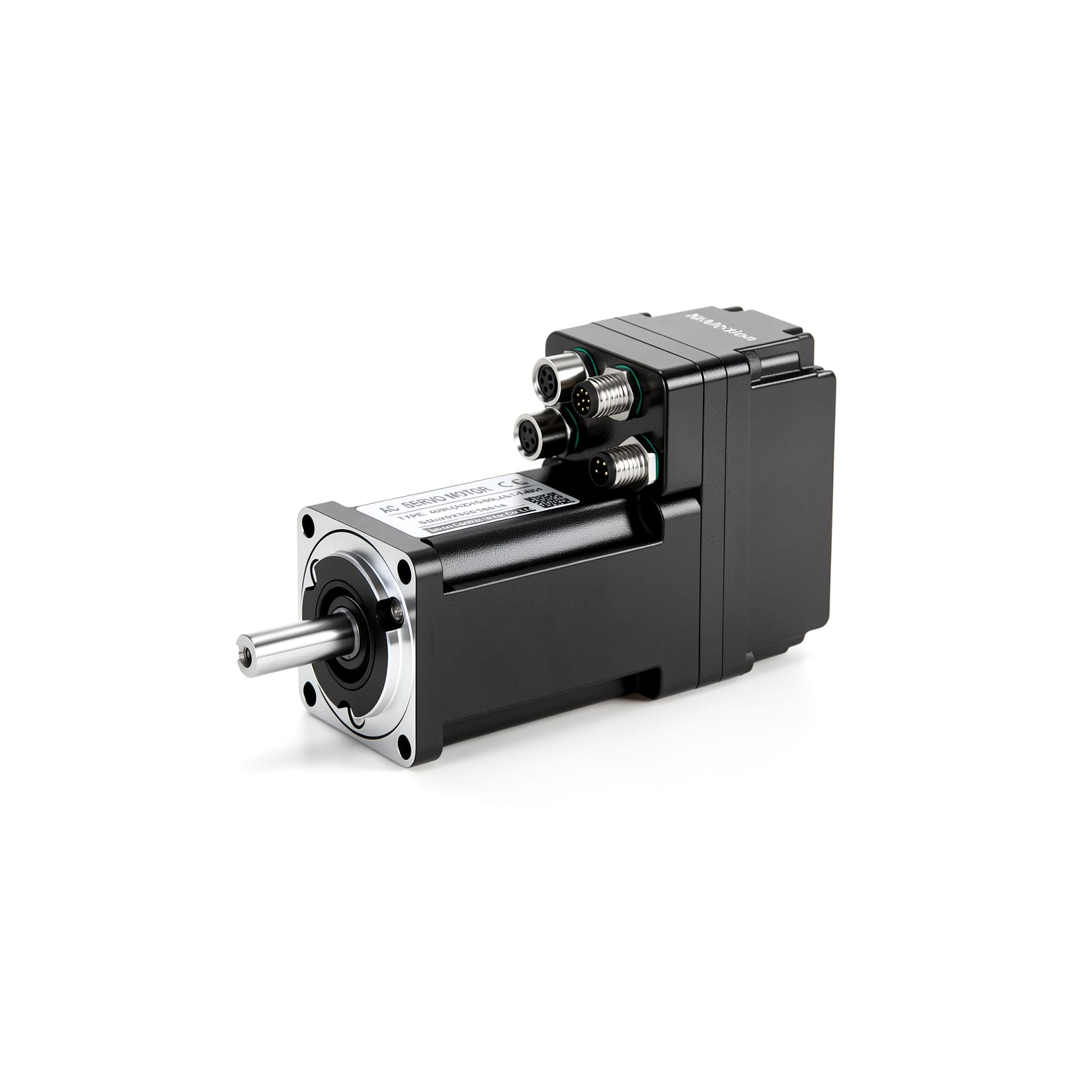
NEAM Robot joint motor
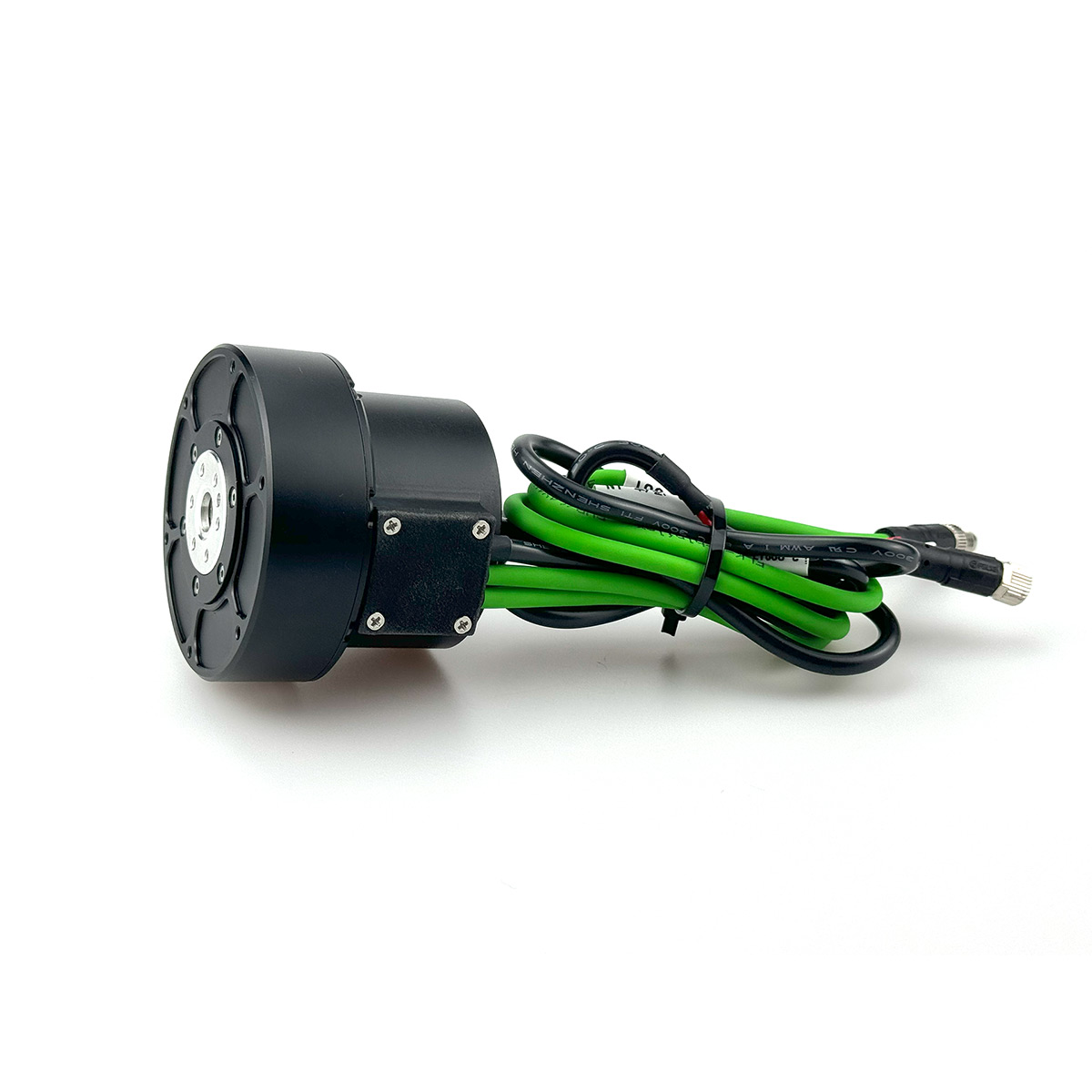
Highly integrated, all-in-one robotic joint motor with a built-in driver and high-precision encoder; compact size and fast response.
Features
- Highly integrated integration
- Built-in drive
- High precision encoder
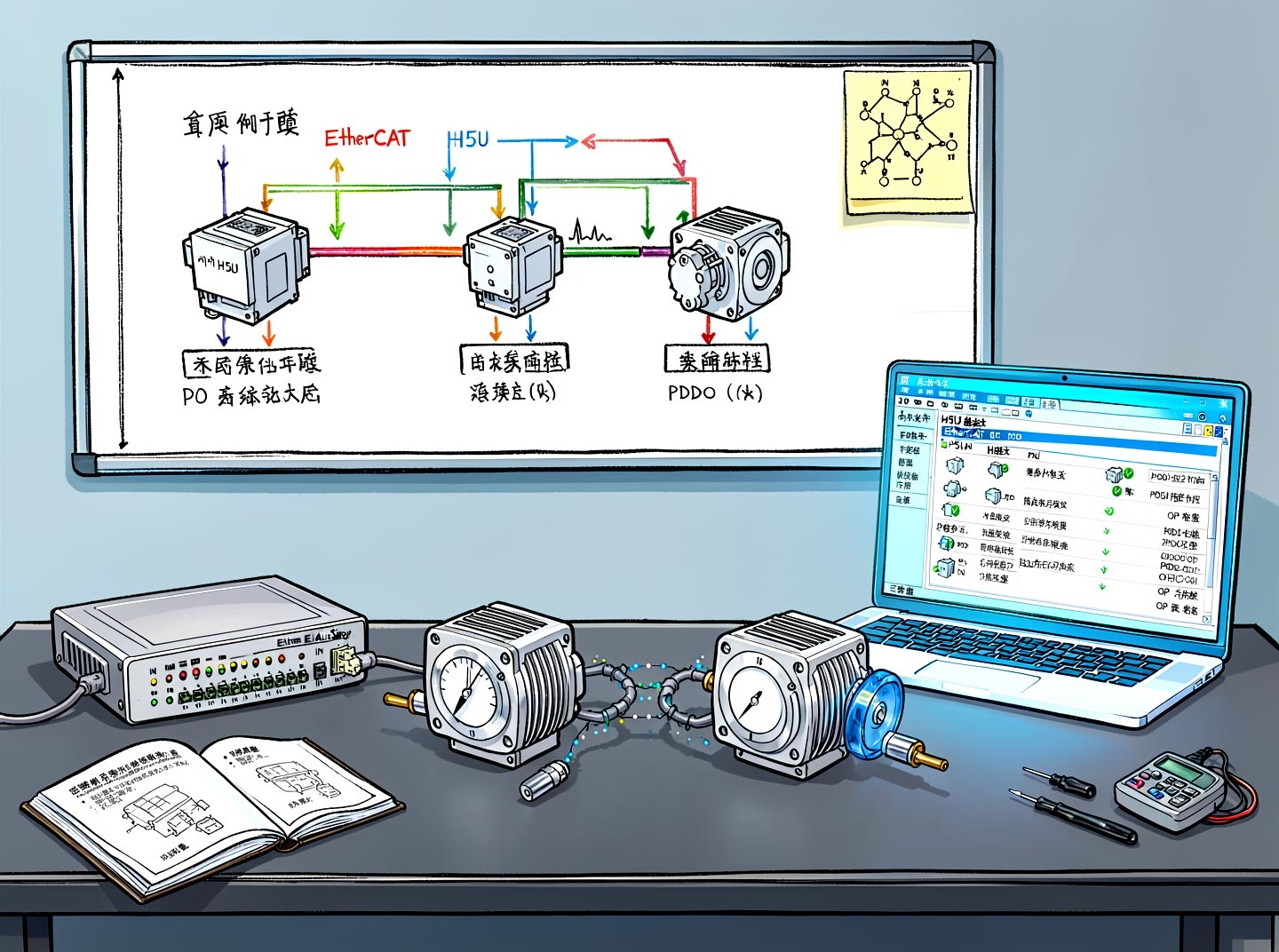
- Support EtherCAT communication
Models & Specifications
| Specifications | NEAM7625 |
|---|---|
| Rated voltage | 48V |
| Rated speed | 400rpm |
| Rated torque | 3.4 N·m |
| Rated current | 4.6A |
| Reduction ratio | 6 |
| Reverse drive torque | 0.08 N·m |
| Backlash | 10Arcmin |
| Axial load | 775N |
| radial load | 1250N |
| moment of inertia | 4.8 kg·cm² |
| Encoder | 17-bit encoder |
| Communication mode | EtherCAT |
| Weight | 485g |
| Size | 76 x 76 x 60mm |
| Protection level | IP54 |
| Working environment temperature | 0℃-40℃ |
| Base dimensions | 76 x 76 x 60mm |
* Scroll horizontally within the table area when the content is wide.
Companion Products
Highly integrated, all-in-one robotic joint motor with a built-in driver and high-precision encoder; compact size and fast response.
FAQ
The positional accuracy of a stepper motor is about 3‑5% of the step angle, and it does not accumulate errors.
Microstepping is essentially an electronic damping technique, primarily designed to reduce or eliminate low‑frequency vibration. Improved positional resolution is a secondary benefit. Different manufacturers’ microstepping drivers can vary greatly in accuracy, and higher microstepping numbers are harder to control precisely.
This is due to the motor’s pull‑in rate – the maximum pulse frequency at which it can start from standstill without losing steps. If the pulse frequency exceeds this rate, the motor cannot start properly and may lose steps or stall. The solution is to use an acceleration ramp: start at a low frequency and gradually increase to the target high frequency. Integrated stepper motors allow you to set acceleration and deceleration parameters freely.
When the motor rotates, the inductance in each phase winding generates a back‑EMF. The higher the frequency, the greater the back‑EMF, which reduces the phase current and thus lowers the torque.
Excessive temperature can demagnetise the magnetic material, reducing torque and causing step loss. The demagnetisation point is generally above 130°C, some up to 200°C. Therefore, a surface temperature of 80‑90°C is perfectly normal for a stepper motor. The most common insulation class is Class B, with a rated operating temperature up to 130°C.
Applications
Discover how this product is applied across various industrial automation scenarios.



Compatible Products
Build complete and reliable solutions with our compatible products.
Technical Resources
Technical guides, application notes, and more to help you get the most out of the product.

Ready to start your automation project?
Talk to our engineers and get a customized motion control solution within 24 hours.
Typical response time: 24 hours