
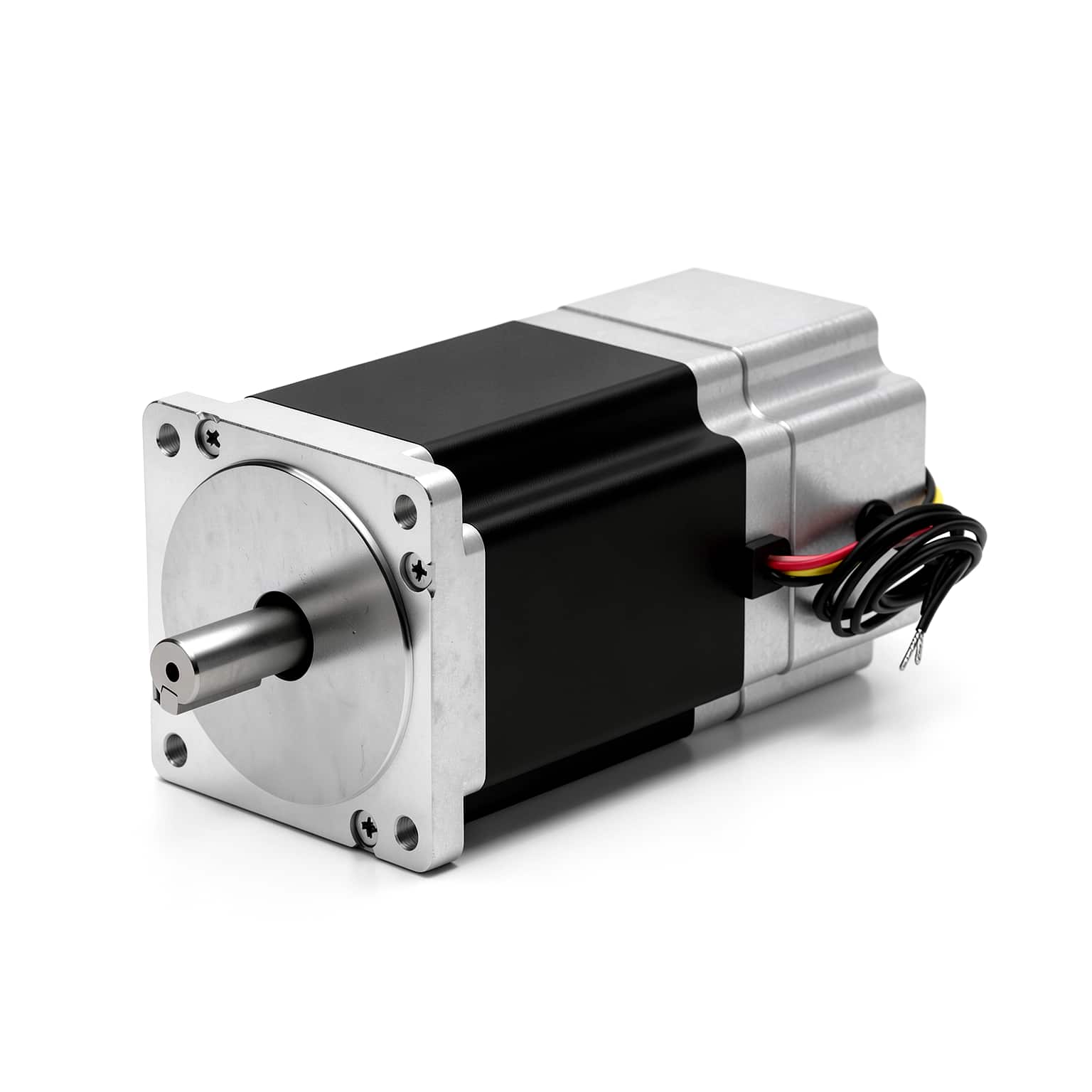
STM86-PE (With Brake) Integrated Stepper Servo Motor
Built-in Brake w/ Logic, 86mm flange integrated stepper servo motor – delivering closed-loop servo control algorithms within a compact footprint. Offers significantly improved positioning accuracy, low heat generation, and excellent speed stability. Ideal for a wide range of compact automation equipment.
Features
- Ultra-high torque up to 12 N·m
- Wide voltage 16-72VDC
- CANopen/RS485
- Optional brake
Models & Specifications
| Specifications | STM8665B-485-PE-0HSB | STM8665B-CANopen-PE-0HSB | STM8680B-485-PE-0HSB | STM8680B-CANopen-PE-0HSB | STM86B8B-485-PE-0HSB | STM86B8B-CANopen-PE-0HSB | STM86F6B-485-PE-0HSB | STM86F6B-CANopen-PE-0HSB |
|---|---|---|---|---|---|---|---|---|
| Flange Size | 86mm | 86mm | 86mm | 86mm | 86mm | 86mm | 86mm | 86mm |
| Brake | Built-in Brake w/ Logic | Built-in Brake w/ Logic | Built-in Brake w/ Logic | Built-in Brake w/ Logic | Built-in Brake w/ Logic | Built-in Brake w/ Logic | Built-in Brake w/ Logic | Built-in Brake w/ Logic |
| Encoder type | 17-bit single-turn absolute magnetic encoder | 17-bit single-turn absolute magnetic encoder | 17-bit single-turn absolute magnetic encoder | 17-bit single-turn absolute magnetic encoder | 17-bit single-turn absolute magnetic encoder | 17-bit single-turn absolute magnetic encoder | 17-bit single-turn absolute magnetic encoder | 17-bit single-turn absolute magnetic encoder |
| Rated Voltage | 48 VDC | 48 VDC | 48 VDC | 48 VDC | 48 VDC | 48 VDC | 48 VDC | 48 VDC |
| Voltage Range | 16-72VDC | 16-72VDC | 16-72VDC | 16-72VDC | 16-72VDC | 16-72VDC | 16-72VDC | 16-72VDC |
| Inertia | 0.94×10^-4 kg·m² | 0.94×10^-4 kg·m² | 1.40×10^-4 kg·m² | 1.40×10^-4 kg·m² | 2.50×10^-4 kg·m² | 2.50×10^-4 kg·m² | 3.10×10^-4 kg·m² | 3.10×10^-4 kg·m² |
| Rated Current | 6.0 A | 6.0 A | 5.5 A | 5.5 A | 6.0 A | 6.0 A | 6.0 A | 6.0 A |
| Body Length | 130 mm | 130 mm | 145 mm | 145 mm | 183 mm | 183 mm | 221 mm | 221 mm |
| Weight | 1.8 kg | 1.8 kg | 2.5 kg | 2.5 kg | 3.9 kg | 3.9 kg | 5.4 kg | 5.4 kg |
* Scroll horizontally within the table area when the content is wide.
Specifications
| Shaft Diameter | Φ14 |
| Number Of Phases | 2 |
| Step Angle | 1.8° |
| Encoder | 17-bit single-turn absolute encoder (multi-turn absolute counting with automatic storage upon power failure) |
| Control Modes | CiA402 Mode,Manufacturer Mode |
| External Control Interface | DI – Non-isolated NPN Input,DI – Non-isolated PNP Input,DI – Non-isolated Switch Input,DI – Isolated Opto Single-Ended Input,DI – Isolated Opto Differential Input,DO – Isolated Open-Drain Output,DO – Non-isolated MOSFET Output,AI – ±10V Analog Input |
| CiA402 Mode | PP, VM, PV, PT, HM, IP, CSP, CSV, CST |
| DI (Digital Input) | Quantity: 3 pieces; All adopt high-speed bidirectional optocouplers, with a maximum PWM pulse frequency of 2MHz. They can be connected to an external DC power supply: 12~24V. Configurable functions: used as a switch, used as a pulse input channel |
| DO (Digital Output) | Quantity: 1; MOS open-drain output, with a maximum load current of 500mA and a maximum voltage of 52V. Configurable functions: 1. Regular DO port; 2. The motor stops running; 3. Goal achievement; 4. Alarm output |
| AI (Analog Input) | Quantity: 1; Input method: single-ended input; Signal type: voltage signal; Resolution: 12-bit; Voltage: 0~10V; Accuracy: reference error ≤1%; Configurable functions: dead zone, filtering, offset, scaling, direction. |
| Operating Temperature | 0°C to 40°C |
| Operating Altitude | <1000m |
| Fault Alarm | Overvoltage, undervoltage, overheat, locked rotor |
| Servo Function | Soft limit, gain switching, S-curve planning, vibration suppression, parameter identification, online upgrade |
Torque-Speed Characteristics
STM8665B-CANopen/485-P-XX
STM8680B-CANopen/485-P-XX
STM86B8B-CANopen/485-P-XX
STM86F6B-CANopen/485-P-XX
Product Details
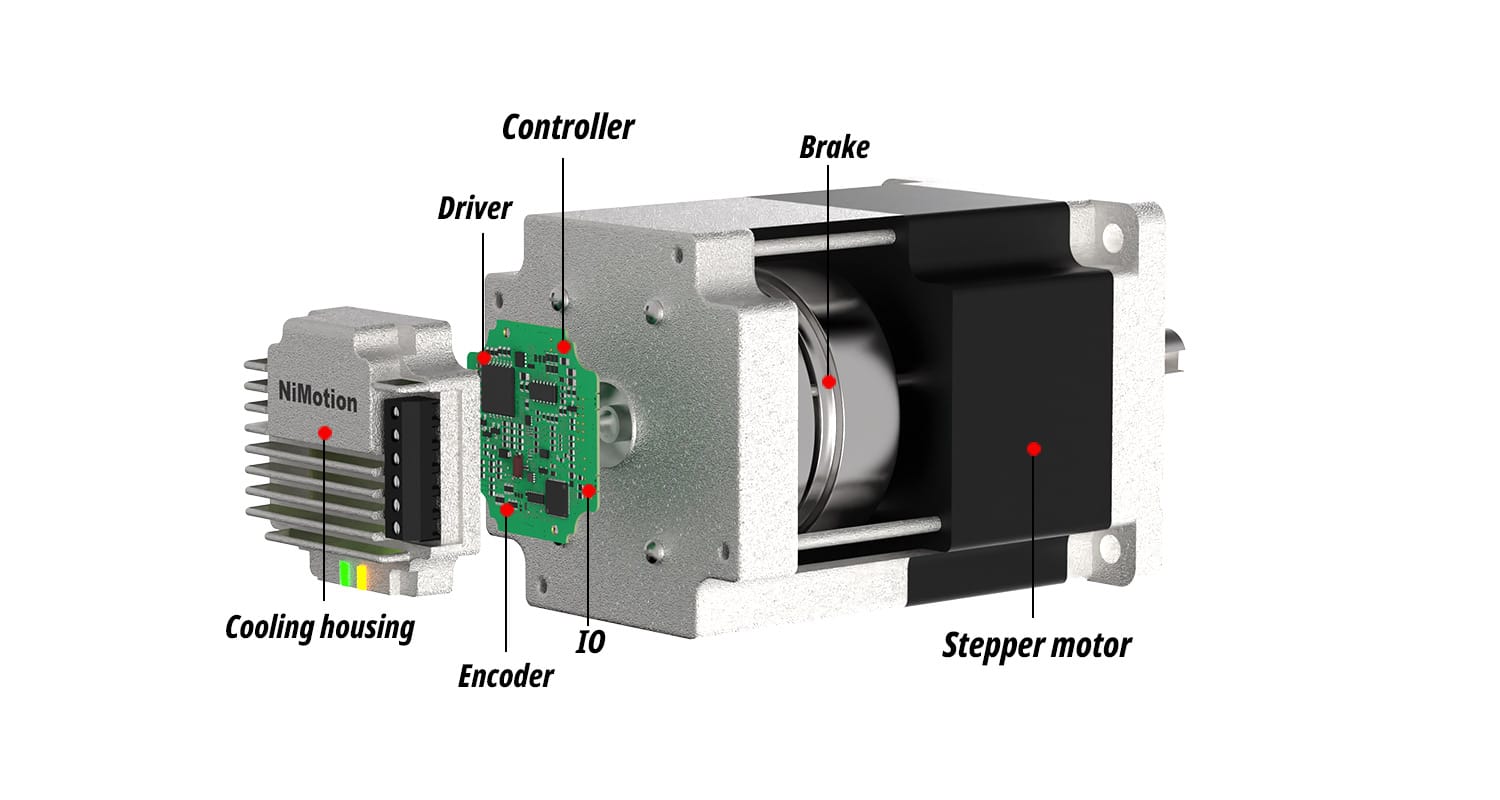
NiMotion STM86PE series integrated stepper servo motor. Developed with a highly integrated concept, it combines a 86 stepper motor, magnetic encoder, driver, and controller into one unit. It adopts FOC field-oriented control technology and integrated drive-control technology, resulting in a compact size. Wide voltage input range: 16V to 72V Soft limit The integrated stepper servo drive adopts a highly integrated development concept, perfectly combining a 86 stepper motor with the drive and control system, significantly saving equipment space.
Product Features
Fault alarm
Optional built-in brake
Compact
Highly integrated design
17-bit magnetic encoder
Soft limit
Curve Planning
Vibration suppression function
Integrated Design Philosophy
Highly integrated design
Integrates Stepper motors, encoders, drives and digital IO into a single compact unit, so no external drive is required. Compared with conventional separated solutions it saves considerable installation space, needs less wiring, and makes commissioning and maintenance easier.
High Precision Encoder Feedback
Built-in 17-bit encoder (multi-turn absolute counting, automatic storage of power loss) provides real-time position and speed feedback for more accurate closed-loop control; multi-turn absolute counting and automatic position storage on power loss mean no re-homing is needed after power-up.
Multi-bus communication support
Supports CANopen and RS485 communication, allowing quick connection to mainstream PLCs, motion controllers and host systems, with flexible networking and easy expansion.
Standard CiA 402 Sport Mode
Supports CiA 402 standard motion modes (PP, PV, HM, CSP, CSV, etc.) as well as position mode, velocity mode and torque mode, ensuring compatibility with mainstream fieldbus motion-control architectures and making replacement and commissioning easier.
Wide Voltage Input
Wide input voltage range of 16~72 VDC, suitable for various power-supply environments and giving greater flexibility in system integration and retrofitting.
Complete diagnosis and protection
Comprehensive diagnostics and protection covering over-voltage, under-voltage, over-temperature, stall, overload, over-speed, over-travel and homing timeout, with current and historical alarm records for safer operation.
Overall dimensions
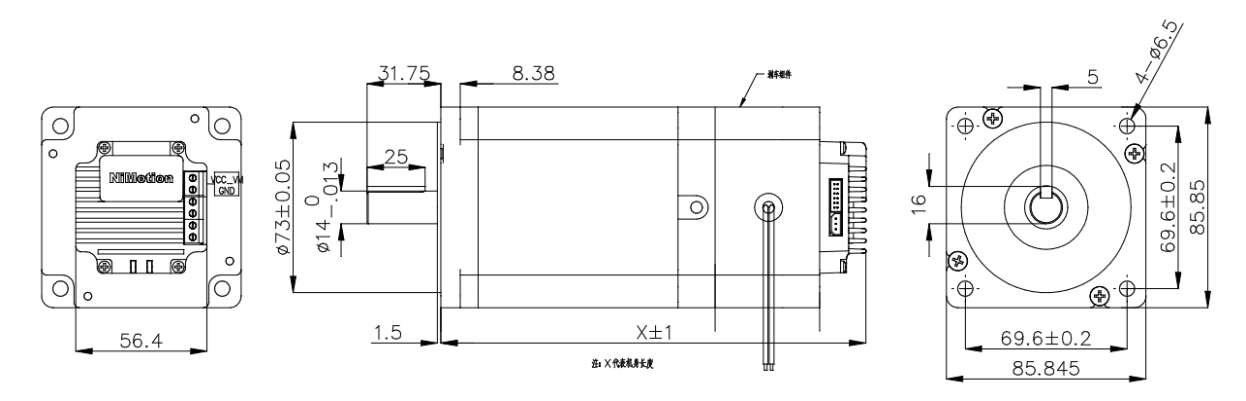
Base width: 86mm; "X" represents the body length. Please click the "Downloads" section below to view detailed drawings.
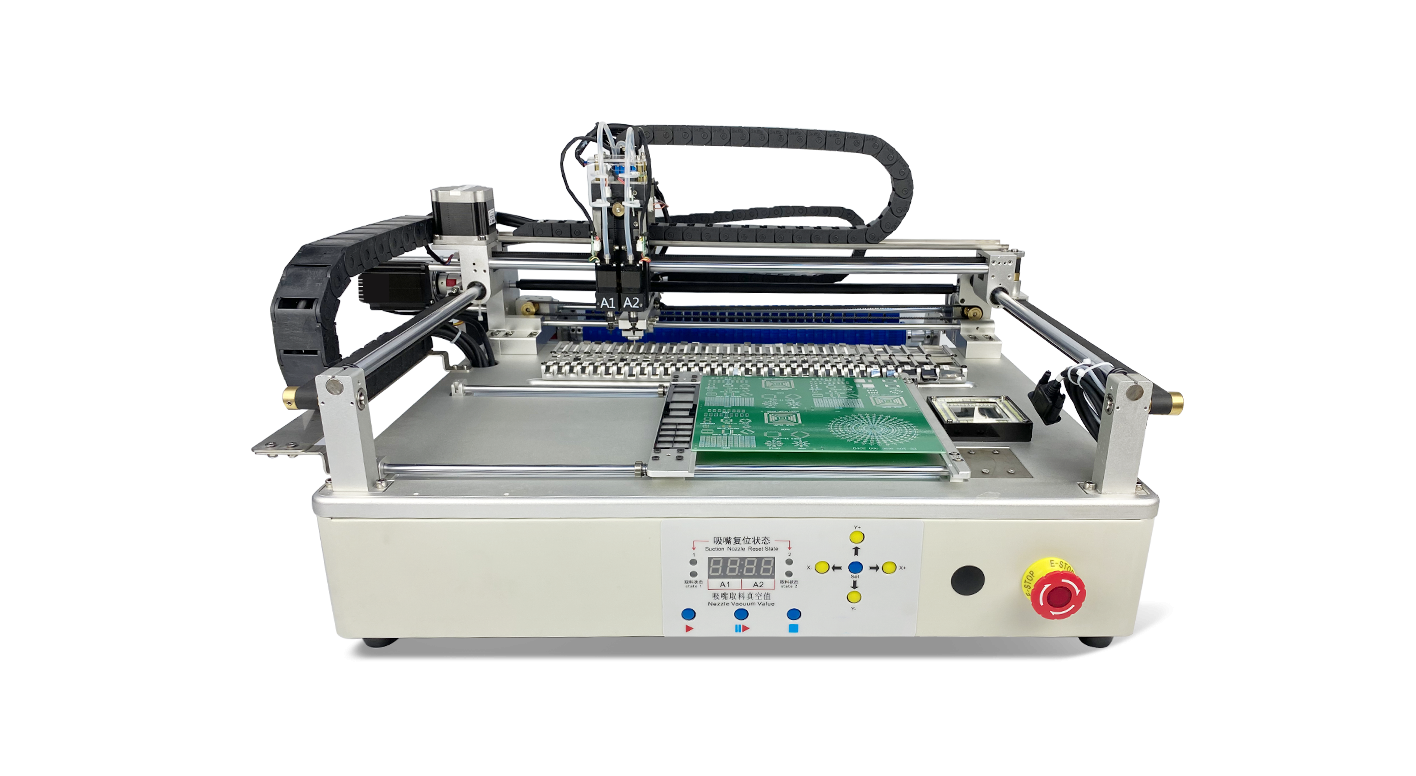
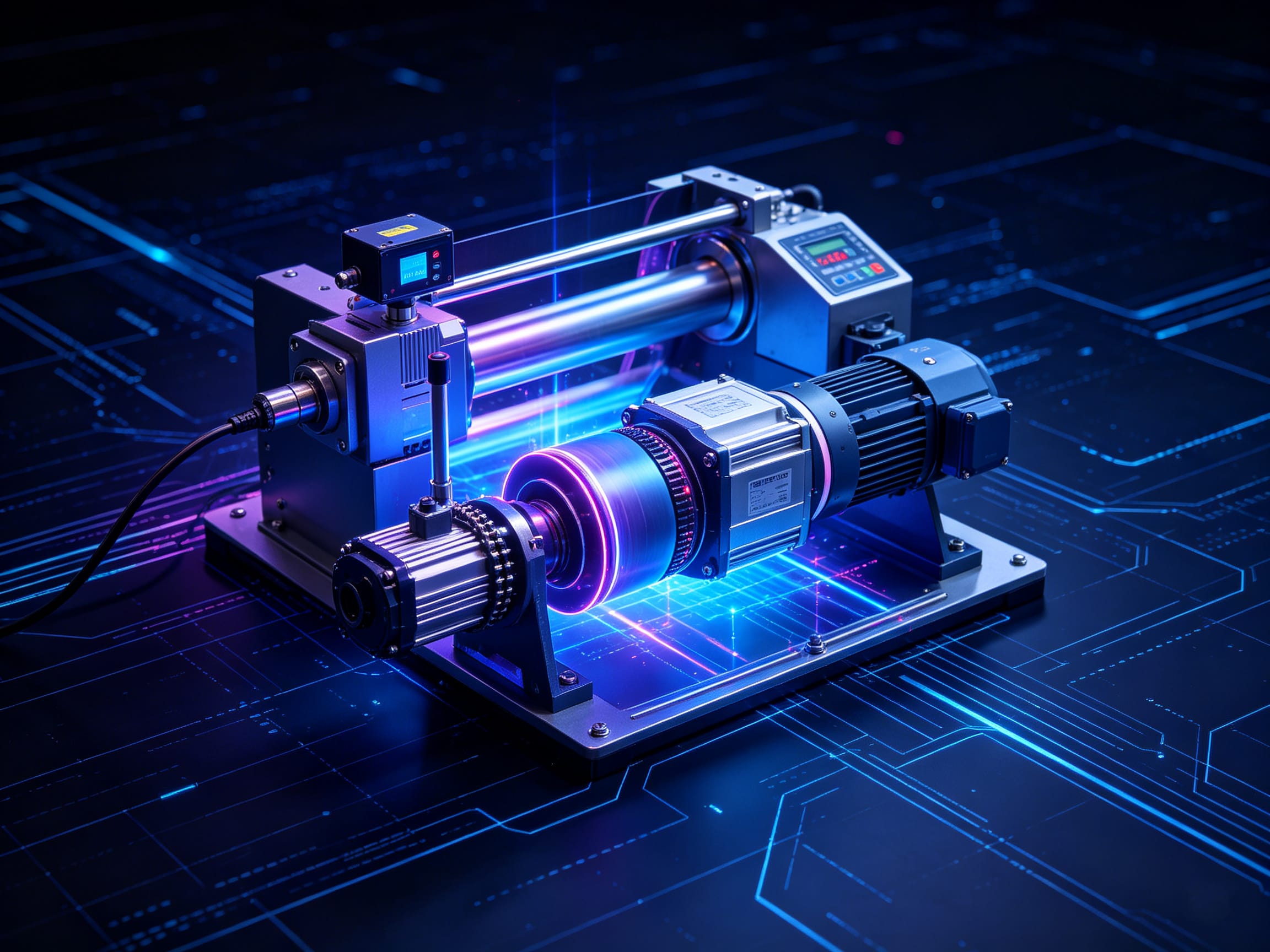
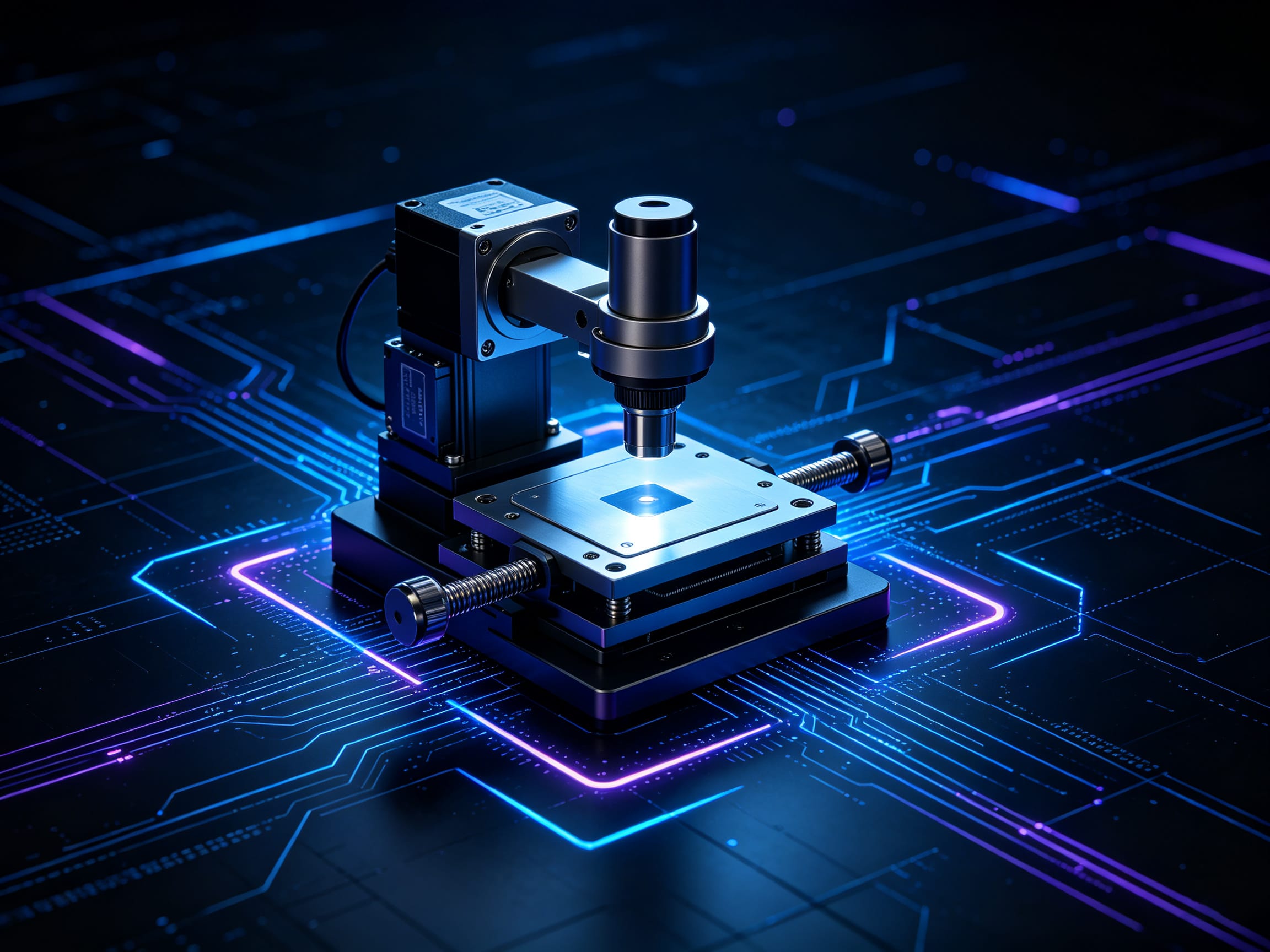
Application in Pick-and-Place Machines
This integrated 86-series stepper servo motor series is suitable for small and medium-sized automation equipment, controlling lifting platforms and XY-axis movement. Its compact integrated design saves equipment space, and the motor requires no external driver, reducing external components. The built-in encoder enables full closed-loop control. It supports multiple communication protocols for easy installation and use.
Downloads
Companion Products


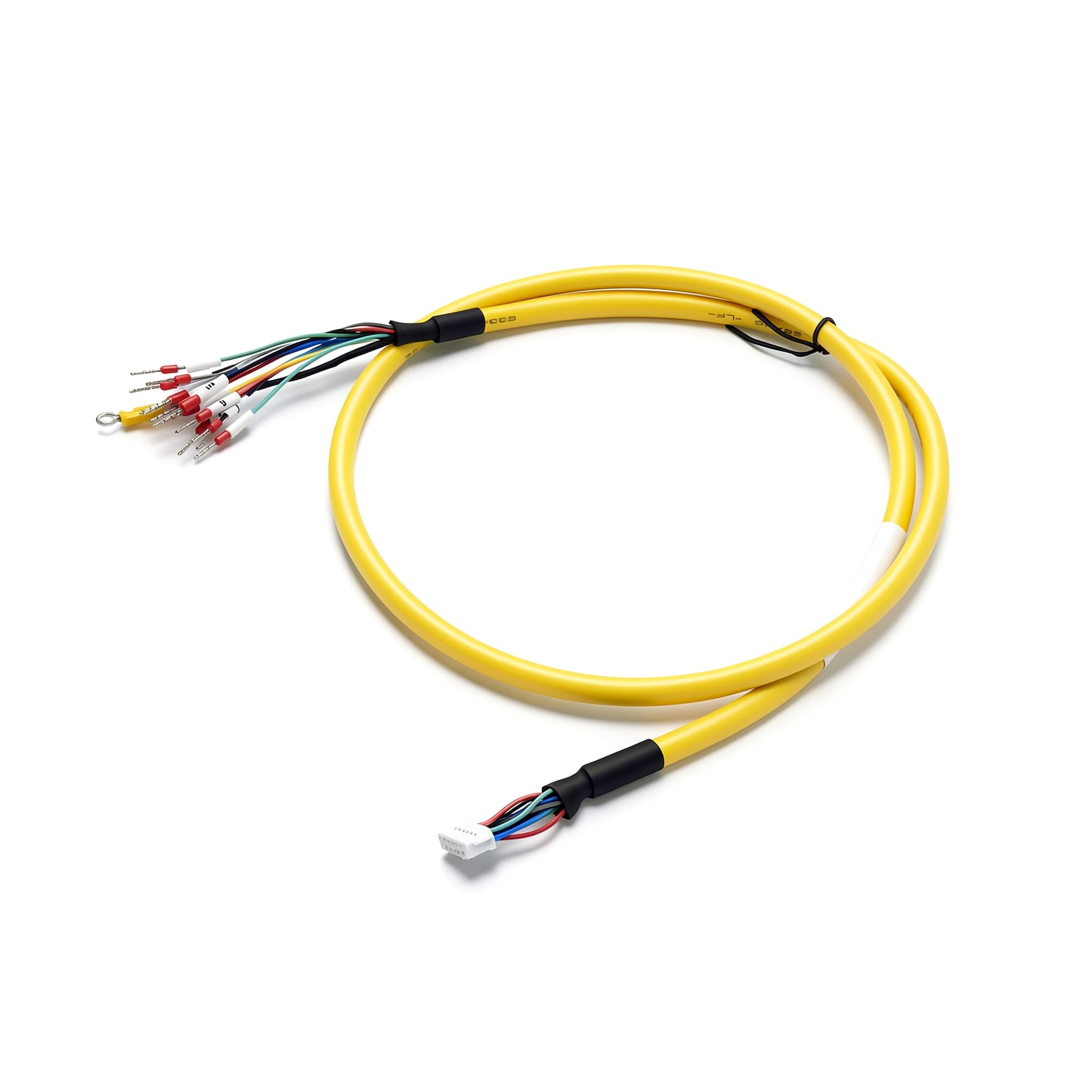
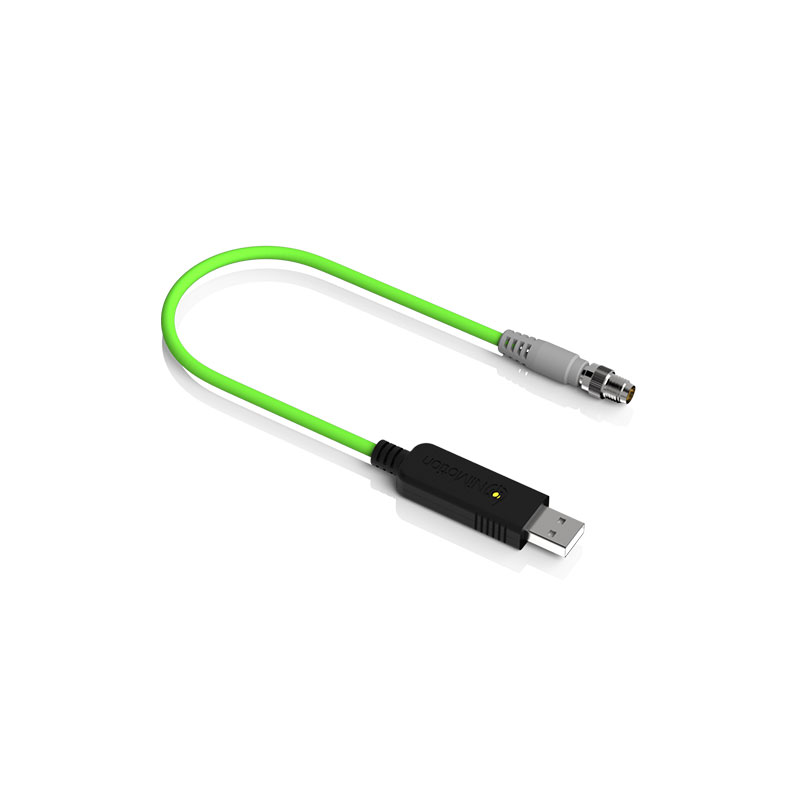
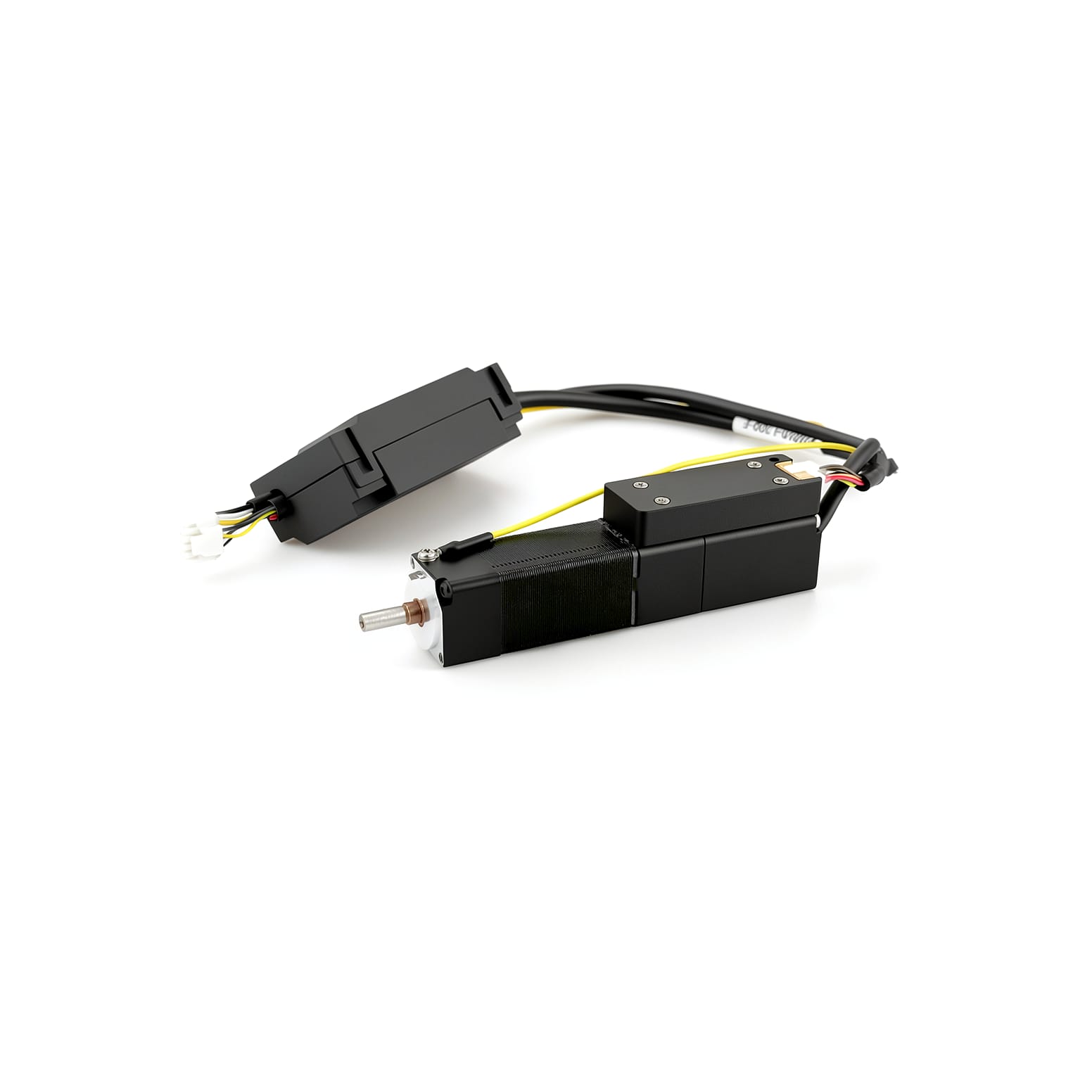
USB to CAN converter with isolation, IP65 protection, and secondary development SDK support.
USB to RS485 converter with active termination, isolation, IP65 protection, and secondary development SDK support.

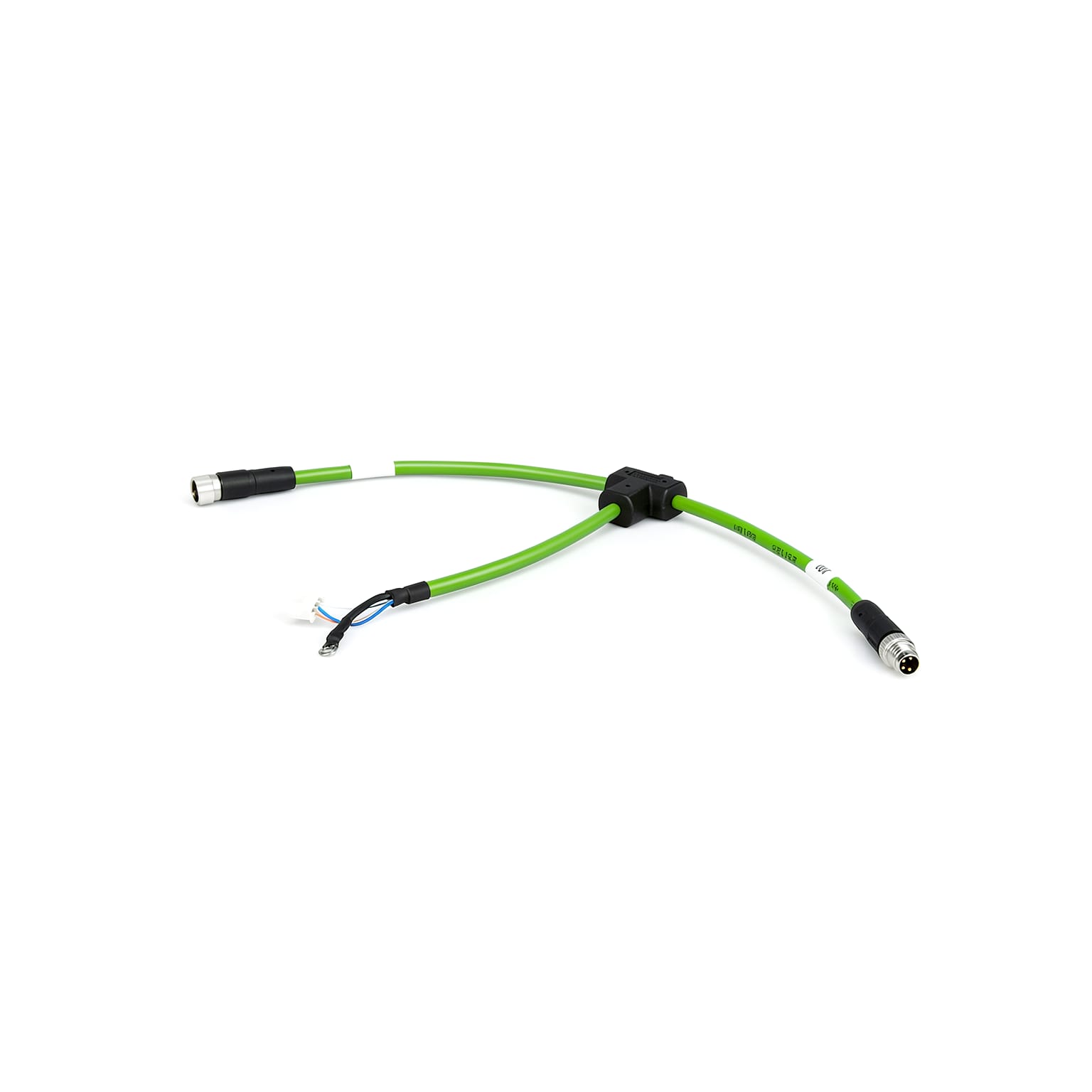
Communication cable for NiMotion integrated motors.
FAQ
The positional accuracy of a stepper motor is about 3‑5% of the step angle, and it does not accumulate errors.
Microstepping is essentially an electronic damping technique, primarily designed to reduce or eliminate low‑frequency vibration. Improved positional resolution is a secondary benefit. Different manufacturers’ microstepping drivers can vary greatly in accuracy, and higher microstepping numbers are harder to control precisely.
This is due to the motor’s pull‑in rate – the maximum pulse frequency at which it can start from standstill without losing steps. If the pulse frequency exceeds this rate, the motor cannot start properly and may lose steps or stall. The solution is to use an acceleration ramp: start at a low frequency and gradually increase to the target high frequency. Integrated stepper motors allow you to set acceleration and deceleration parameters freely.
When the motor rotates, the inductance in each phase winding generates a back‑EMF. The higher the frequency, the greater the back‑EMF, which reduces the phase current and thus lowers the torque.
Excessive temperature can demagnetise the magnetic material, reducing torque and causing step loss. The demagnetisation point is generally above 130°C, some up to 200°C. Therefore, a surface temperature of 80‑90°C is perfectly normal for a stepper motor. The most common insulation class is Class B, with a rated operating temperature up to 130°C.
Applications
Discover how this product is applied across various industrial automation scenarios.




Compatible Products
Build complete and reliable solutions with our compatible products.
Technical Resources
Technical guides, application notes, and more to help you get the most out of the product.
Ready to start your automation project?
Talk to our engineers and get a customized motion control solution within 24 hours.
Typical response time: 24 hours